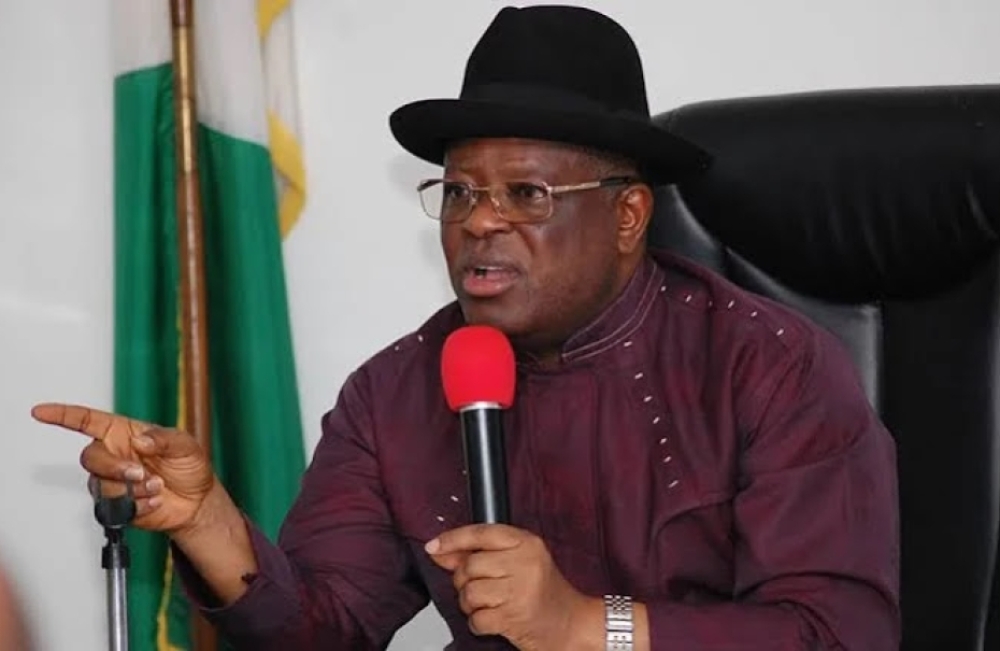
UMAHI ORDERS IMMEDIATE EMERGENCY INTERVENTION ON BENIN-ASABA ROAD, AND SOME OTHER CRITICAL FEDERAL ROADS
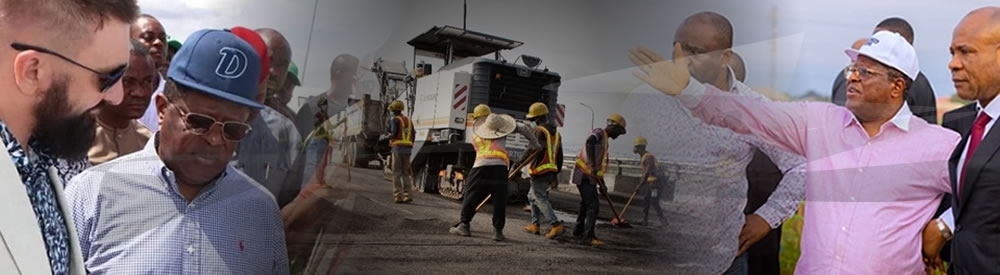
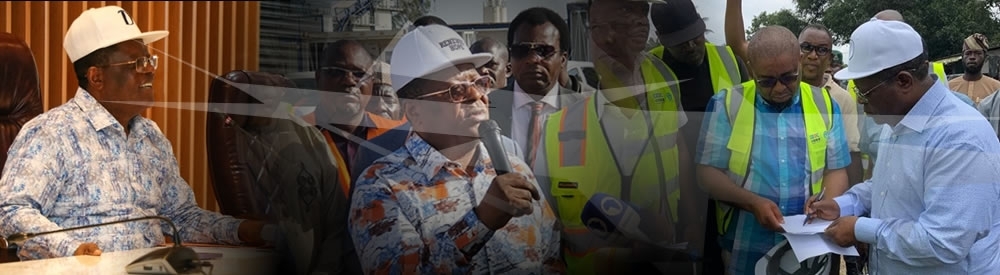
The Honourable Minister of Works, Senator Engr. David Nweze Umahi, CON, has directed the immediate deployment of major contractors to all three sections of the Benin-Asaba Federal Road to restore the failed sections and bring an end to the suffering of motorists and other road users.
This is because, the situation on the concessioned Benin-Asaba Road has reached a point where the overall public interest must take precedence over the existing concession agreement.
Recall that the Honourable Minister of Works was on the Benin-Asaba Road about seven days ago, where he assembled a number of contractors and directed them to prepare for immediate palliative intervention on the affected sections of the road at no cost to the concessionaire. In line with the Concession agreement which requires that before the Federal Government could intervene, the permission of the concessionaire must be required, and that permission was not granted to federal government.
The Minister subsequently proposed three options to the concessionaire, any one of which would have enabled the Federal Government to move in and address the worsening condition of the road. Unfortunately, none of the options was accepted by the concessionaire. Immediately after the Minister left Asaba, the already limited equipment deployed to the road by the concessionaire was further reduced to just one, worsening the situation and increasing the suffering of motorists and other road users.
While the Minister takes responsibility for the concerns and suffering of Nigerians using the road, it is important to state that the concessionaire has also not taken the suffering of Edo people and travelling public sufficiently into consideration by declining all the options put forward by the Federal Government. The concessionaire continues to rely on the terms of the concession agreement entered into by the previous administration, an agreement which weighs heavily against the Federal Government’s ability to intervene quickly in the interest of the public in a situation like this.
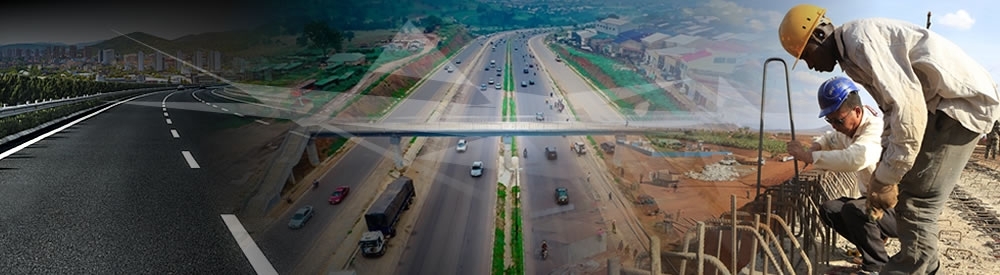
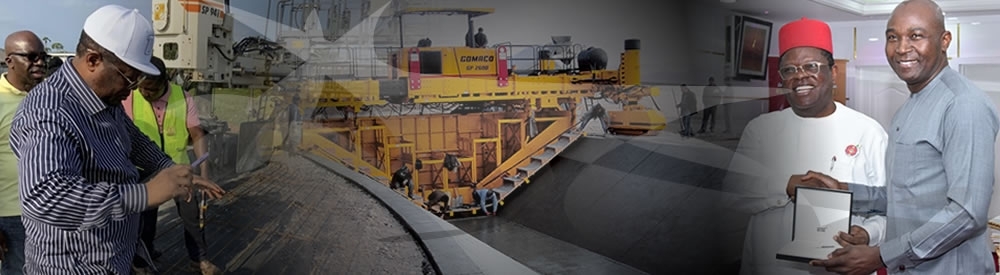
In view of this situation, the Honourable Minister of Works has directed the immediate deployment of major contractors within the corridor to all three sections of the Benin-Asaba Road to restore the failed sections and bring relief to the people, with the cost of the emergency intervention being borne by the Federal Government. The Honourable Minister has also directed immediate redesign of the entire route to be rebuilt with reinforced concrete pavement. The public should therefore take note that immediate action is underway to restore every failed section of the Benin-Asaba Road and subsequently rehabilitate the entire sections of the road using reinforced concrete pavement.
2. On the Benin-Sapele Road:
The Governors of Edo and Delta States, the Niger Delta Development Commission (NDDC), and the Federal Government are currently engaged in interventions on different sections of the road to restore the entire route. While some sections are receiving palliative attention, permanent works are also ongoing on other sections.
3. On Ifaki(Ekiti) - Kabba (Kogi) Road:
The Federal Government is engaging both the contractor; Gamji Nigeria Company Limited, and Dangote PLC on immediate emergency and permanent intervention on the most failed sections of the road, while efforts are being made to financially mobilise the company for more extensive permanent work to commence on the axis.
4. On the Sokoto-Zamfara-Katsina Road: This is an inherited project involving the dualisation of approximately 350 kilometres, which translates to about 700 kilometers. The project has since been redesigned and is currently ongoing and most sections are being reconstructed using reinforced concrete pavement. From the Sokoto axis towards Zamfara, over 50 kilometres of one carriageway have been fully completed with reinforced concrete pavement. From Zamfara to Katsina, some sections have been completed and palliative works have been ordered over the sections that have not been reconstructed. However, the pace of work slowed down due to the redesign and rephasing of the project. The contractors currently engaged on the road include CBC, SETRACO, Triacta and Mothercat. They are being remobilised to return to site and complete the outstanding works.
5. On the Abuja-Kaduna-Zaria-Kano Road: The Federal Government took over the Road project and has currently completed the 118-kilometer mostly on reinforced concrete pavement on lot 1. The Lot 2, which covers 164 kilometres, is over 60 percent completed on reinforced concrete pavement. The Federal Government has also introduced solar-powered light on the entire route of Abuja-Kaduna-Zaria - Kano to improve visibility during night travel and enhance the overall security situation on the route. The entire project is scheduled for completion by December 2026.
6. On Bauchi-Jigawa Road: Triacta Nigeria Limited has been mobilised to carry out the necessary interventions on some failed sections and work is currently ongoing in those failed sections.
7. On the Sagamu-Ore Road: 48 Kilometers of the 96-kilometre road have already been completed using reinforced concrete pavement. There is also a 24-kilometre section around Ore which was abandoned by the previous contractor. The Federal Government has directed its immediate restoration to ensure seamless travel. Solar lights are being installed in the entire 96kilometer of the road.
8. On Flooded Sections on Sagamu-Ore-Benin Road: The flooded sections on the same corridor between Sagamu-Ore-Benin Road, as well as other flooded sections in Ondo State, are being designed for emergency procurement and intervention.
9. On the East-West Road:
Some failed and critical sections, including defective sections of bridges along the East-West Road, are being marked out for emergency procurement and intervention.
10. On the Abuja-Lokoja Road:
Several contracts are ongoing along the route, while the three critical sections currently without contracts are being procured for emergency intervention.
11. On the Lokoja-Benin-Warri Road: The President has directed a complete redesign and procurement of the 400-kilometre dualised route covering the uncompleted sections, using reinforced concrete pavement, while palliative works will continue with the contractors currently on the road.
12. On Carter Bridge:
While the Federal Government continues to undertake weekly maintenance of the underwater elements of the bridge. The site has also been handed over to the contractor, CCECC, for the construction of a permanent new bridge, and work has commenced.
13. On the Third Mainland Bridge:
With regard to the defective underwater structural elements, the Federal Government is at the final stage of determining the appropriate intervention for the repair of the affected elements.
14. On the flooded section of the Lagos-Ibadan Road: Work has commenced on the affected section. There are also several flooded sections on federal roads across the six geopolitical zones, largely occasioned by excessive flooding and the effects of climate change. The Federal Government is identifying and marking these sections for immediate attention.
15. On the First and Second Niger Bridges:
Intervention work is ongoing on the approach roads to the Second Niger Bridge damaged by flood and the work is progressing very well. The First Niger Bridge has been closed to traffic to enable immediate repair works. Contractor has mobilized to site and comprehensive rehabilitation of the bridge has started. From Summit Junction to the First Niger Bridge, massive rehabilitation work is also ongoing using reinforced concrete pavement.
16. The Honourable Minister wishes to commend the President of the Federal Republic of Nigeria, His Excellency Bola Ahmed Tinubu, GCFR, for the massive work being undertaken on the nation’s roads since the administration assumed office in 2023.
17. It is important to state that when the present administration came into office, there was hardly any part of the country where one could travel for an hour without encountering significant challenges on the road network. The condition of the country’s roads and bridges was a major national infrastructure challenge.
18. Rather than shy away from the problem, the administration of President Bola Ahmed Tinubu made the nation’s road network a priority. Virtually every part of the country became a priority, and the Federal Government, through the Federal Ministry of Works, Regional Commissions, Parastatals and other MDA’s has continued to respond extensively to these challenges.
19. The Federal Government is currently working on over 80 percent of the inherited federal roads, an unprecedented level of intervention in the country’s road infrastructure.
20. We ask the public to understand the enormous challenges inherited on our roads and bridges and to take note not only of the problems being solved, but also of the permanent solutions being introduced.
21. A major part of this new approach is the use of reinforced concrete pavement, designed to significantly extend the lifespan of major roads. These roads are expected to last between 50 and 100 years. This means that roads being constructed under President Bola Ahmed Tinubu’s administration are being designed with future generations in mind, rather than simply providing temporary solutions to today’s problems. And this is a complete departure from the past, when roads often deteriorated only a few years after completion, resulting in a continuous cycle of reconstruction and expenditure.
22. We appreciate the concerns of Nigerians over the condition of some roads presently and the difficulties faced by motorists and commuters who cannot move easily from one point to another. Those concerns are legitimate, and the Federal Government is listening. But Nigerians should also recognise the enormous scale of the problems inherited and the amount of work currently being undertaken across the country.
23. It is simply impossible to resolve every road challenge accumulated over many years of neglect by the past administrations within three years. What is important is that the government is working, the government is responding, and the government is putting permanent solutions in place.
25. We appreciate members of the public who send situation reports on failed roads and other infrastructure challenges. These reports help the Ministry identify areas requiring urgent attention. However, we also appeal to members of the public to report when such problems have been addressed, just as they report when they occur.
24. We are aware of situations where photographs and reports of road challenges continue to circulate on social media even after the Federal Government has intervened and resolved the particular problem.
25. However, the Ministry will continue to respond as rapidly as possible to genuine reports and concerns from Nigerians.
26. It is also important to note that we have compiled a comprehensive record of all inherited, ongoing and intervention projects across the country which is available to the public. This is to ensure that Nigerians have access to information on the infrastructure projects being undertaken nationwide and can fully participate in and appreciate the infrastructure revolution of President Bola Ahmed Tinubu’s administration.

UMAHI ORDERS IMMEDIATE EMERGENCY INTERVENTION ON BENIN-ASABA ROAD, AND SOME OTHER CRITICAL FEDERAL ROADS The Honourable Minister of Works, Senator Engr. David Nweze Umahi, CON, has directed the immediate deployment of major contractors to all three sections of the Benin-Asaba Federal Road to restore the failed sections and bring an end to the suffering of motorists and other road users. This is because, the situation on the concessioned Benin-Asaba Road has reached a point where the overall public interest must take precedence over the existing concession agreement. Recall that the Honourable Minister of Works was on the Benin-Asaba Road about seven days ago, where he assembled a number of contractors and directed them to prepare for immediate palliative intervention on the affected sections of the road at no cost to the concessionaire. In line with the Concession agreement which requires that before the Federal Government could intervene, the permission of the concessionaire must be required, and that permission was not granted to federal government. The Minister subsequently proposed three options to the concessionaire, any one of which would have enabled the Federal Government to move in and address the worsening condition of the road. Unfortunately, none of the options was accepted by the concessionaire. Immediately after the Minister left Asaba, the already limited equipment deployed to the road by the concessionaire was further reduced to just one, worsening the situation and increasing the suffering of motorists and other road users. While the Minister takes responsibility for the concerns and suffering of Nigerians using the road, it is important to state that the concessionaire has also not taken the suffering of Edo people and travelling public sufficiently into consideration by declining all the options put forward by the Federal Government. The concessionaire continues to rely on the terms of the concession agreement entered into by the previous administration, an agreement which weighs heavily against the Federal Government’s ability to intervene quickly in the interest of the public in a situation like this. In view of this situation, the Honourable Minister of Works has directed the immediate deployment of major contractors within the corridor to all three sections of the Benin-Asaba Road to restore the failed sections and bring relief to the people, with the cost of the emergency intervention being borne by the Federal Government. The Honourable Minister has also directed immediate redesign of the entire route to be rebuilt with reinforced concrete pavement. The public should therefore take note that immediate action is underway to restore every failed section of the Benin-Asaba Road and subsequently rehabilitate the entire sections of the road using reinforced concrete pavement. 2. On the Benin-Sapele Road: 3. On Ifaki(Ekiti) - Kabba (Kogi) Road: 4. On the Sokoto-Zamfara-Katsina Road: This is an inherited project involving the dualisation of approximately 350 kilometres, which translates to about 700 kilometers. The project has since been redesigned and is currently ongoing and most sections are being reconstructed using reinforced concrete pavement. From the Sokoto axis towards Zamfara, over 50 kilometres of one carriageway have been fully completed with reinforced concrete pavement. From Zamfara to Katsina, some sections have been completed and palliative works have been ordered over the sections that have not been reconstructed. However, the pace of work slowed down due to the redesign and rephasing of the project. The contractors currently engaged on the road include CBC, SETRACO, Triacta and Mothercat. They are being remobilised to return to site and complete the outstanding works. 5. On the Abuja-Kaduna-Zaria-Kano Road: The Federal Government took over the Road project and has currently completed the 118-kilometer mostly on reinforced concrete pavement on lot 1. The Lot 2, which covers 164 kilometres, is over 60 percent completed on reinforced concrete pavement. The Federal Government has also introduced solar-powered light on the entire route of Abuja-Kaduna-Zaria - Kano to improve visibility during night travel and enhance the overall security situation on the route. The entire project is scheduled for completion by December 2026. 6. On Bauchi-Jigawa Road: Triacta Nigeria Limited has been mobilised to carry out the necessary interventions on some failed sections and work is currently ongoing in those failed sections. 7. On the Sagamu-Ore Road: 48 Kilometers of the 96-kilometre road have already been completed using reinforced concrete pavement. There is also a 24-kilometre section around Ore which was abandoned by the previous contractor. The Federal Government has directed its immediate restoration to ensure seamless travel. Solar lights are being installed in the entire 96kilometer of the road. 8. On Flooded Sections on Sagamu-Ore-Benin Road: The flooded sections on the same corridor between Sagamu-Ore-Benin Road, as well as other flooded sections in Ondo State, are being designed for emergency procurement and intervention. 9. On the East-West Road: 10. On the Abuja-Lokoja Road: 11. On the Lokoja-Benin-Warri Road: The President has directed a complete redesign and procurement of the 400-kilometre dualised route covering the uncompleted sections, using reinforced concrete pavement, while palliative works will continue with the contractors currently on the road. 12. On Carter Bridge: 13. On the Third Mainland Bridge: 14. On the flooded section of the Lagos-Ibadan Road: Work has commenced on the affected section. There are also several flooded sections on federal roads across the six geopolitical zones, largely occasioned by excessive flooding and the effects of climate change. The Federal Government is identifying and marking these sections for immediate attention. 15. On the First and Second Niger Bridges: 16. The Honourable Minister wishes to commend the President of the Federal Republic of Nigeria, His Excellency Bola Ahmed Tinubu, GCFR, for the massive work being undertaken on the nation’s roads since the administration assumed office in 2023. 17. It is important to state that when the present administration came into office, there was hardly any part of the country where one could travel for an hour without encountering significant challenges on the road network. The condition of the country’s roads and bridges was a major national infrastructure challenge. 18. Rather than shy away from the problem, the administration of President Bola Ahmed Tinubu made the nation’s road network a priority. Virtually every part of the country became a priority, and the Federal Government, through the Federal Ministry of Works, Regional Commissions, Parastatals and other MDA’s has continued to respond extensively to these challenges. 19. The Federal Government is currently working on over 80 percent of the inherited federal roads, an unprecedented level of intervention in the country’s road infrastructure. 20. We ask the public to understand the enormous challenges inherited on our roads and bridges and to take note not only of the problems being solved, but also of the permanent solutions being introduced. 21. A major part of this new approach is the use of reinforced concrete pavement, designed to significantly extend the lifespan of major roads. These roads are expected to last between 50 and 100 years. This means that roads being constructed under President Bola Ahmed Tinubu’s administration are being designed with future generations in mind, rather than simply providing temporary solutions to today’s problems. And this is a complete departure from the past, when roads often deteriorated only a few years after completion, resulting in a continuous cycle of reconstruction and expenditure. 22. We appreciate the concerns of Nigerians over the condition of some roads presently and the difficulties faced by motorists and commuters who cannot move easily from one point to another. Those concerns are legitimate, and the Federal Government is listening. But Nigerians should also recognise the enormous scale of the problems inherited and the amount of work currently being undertaken across the country. 23. It is simply impossible to resolve every road challenge accumulated over many years of neglect by the past administrations within three years. What is important is that the government is working, the government is responding, and the government is putting permanent solutions in place. 25. We appreciate members of the public who send situation reports on failed roads and other infrastructure challenges. These reports help the Ministry identify areas requiring urgent attention. However, we also appeal to members of the public to report when such problems have been addressed, just as they report when they occur. 24. We are aware of situations where photographs and reports of road challenges continue to circulate on social media even after the Federal Government has intervened and resolved the particular problem.
The Governors of Edo and Delta States, the Niger Delta Development Commission (NDDC), and the Federal Government are currently engaged in interventions on different sections of the road to restore the entire route. While some sections are receiving palliative attention, permanent works are also ongoing on other sections.
The Federal Government is engaging both the contractor; Gamji Nigeria Company Limited, and Dangote PLC on immediate emergency and permanent intervention on the most failed sections of the road, while efforts are being made to financially mobilise the company for more extensive permanent work to commence on the axis.
Some failed and critical sections, including defective sections of bridges along the East-West Road, are being marked out for emergency procurement and intervention.
Several contracts are ongoing along the route, while the three critical sections currently without contracts are being procured for emergency intervention.
While the Federal Government continues to undertake weekly maintenance of the underwater elements of the bridge. The site has also been handed over to the contractor, CCECC, for the construction of a permanent new bridge, and work has commenced.
With regard to the defective underwater structural elements, the Federal Government is at the final stage of determining the appropriate intervention for the repair of the affected elements.
Intervention work is ongoing on the approach roads to the Second Niger Bridge damaged by flood and the work is progressing very well. The First Niger Bridge has been closed to traffic to enable immediate repair works. Contractor has mobilized to site and comprehensive rehabilitation of the bridge has started. From Summit Junction to the First Niger Bridge, massive rehabilitation work is also ongoing using reinforced concrete pavement.
25. However, the Ministry will continue to respond as rapidly as possible to genuine reports and concerns from Nigerians.
26. It is also important to note that we have compiled a comprehensive record of all inherited, ongoing and intervention projects across the country which is available to the public. This is to ensure that Nigerians have access to information on the infrastructure projects being undertaken nationwide and can fully participate in and appreciate the infrastructure revolution of President Bola Ahmed Tinubu’s administration.
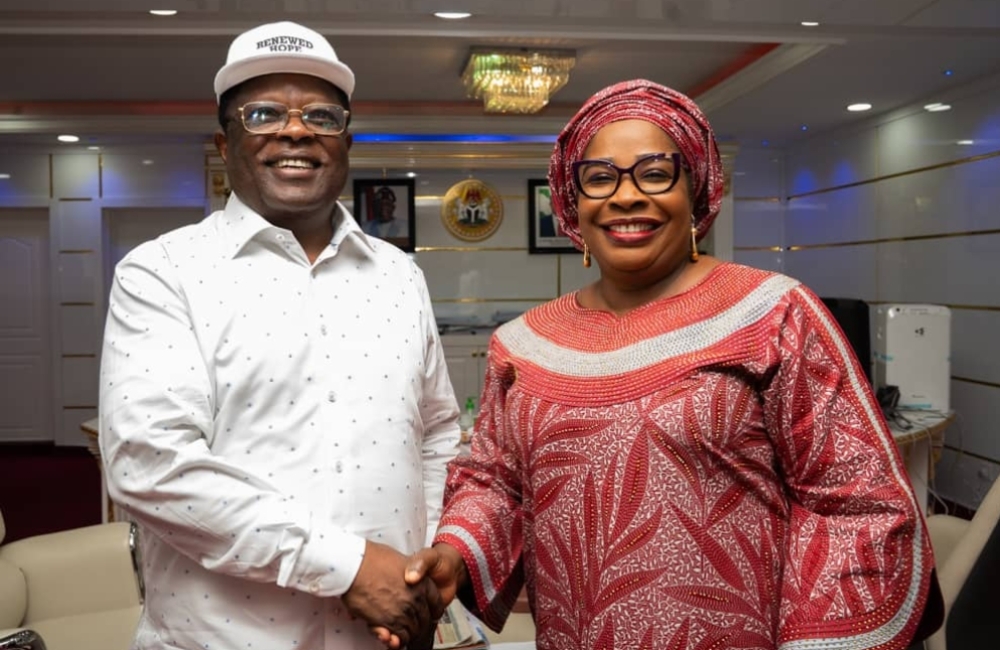
NIGERIAN SOCIETY OF ENGINEERS(NSE) HINTS HONOURABLE MINISTER OF WORKS,SEN UMAHI ON SOCIETY'S FORTHCOMING ANNUAL GENERAL MEETING, SEEKS COLLABORATIVE SUPPORT ON SHARED GOALS The Honourable Minister of Works, His Excellency,Sen. Engr. Nweze David Umahi, CON, FNSE, FNATE has offered assurance of his collaborative support to the shared goals of the leadership of the Nigerian Society of Engineers(NSE). He made this offer of partnership during the courtesy visit of the leadership of the organization led by its president, Engr. Margaret Aina Oguntala FNSE, which was held at the Honourable Minister’s office on 12th August 2025. The Honourable Minister alluded to the important role of the Nigerian Society of Engineers as an umbrella organization for engineers and commended the efforts of the leadership of the Nigerian Society of Engineers in enforcing strict standard and professional ethics among its members and in advancing the interest of the engineering profession in Nigeria. He described them as critical stakeholders in the Renewed Hope agenda of revolutionizing road infrastructure in Nigeria. He maintained that engineering best practices and creative innovations are the centrepiece of the policy direction of the Renewed Hope administration of the President of the Federal Republic of Nigeria,His Excellency, Bola Ahmed Tinubu GCFR. Earlier in her remarks,the president said the leadership of NSE was in his office to formally notify him about the forthcoming Annual General Meeting of the Nigerian Society of Engineers(NSE) slated to hold in Ibadan, the capital city of Oyo State on 1st week of December 2025. It is noteworthy to mention that the leader of the delegation is the first female president in the history of the organization. Hon. Barr. Orji Uchenna Orji Special Adviser ( Media) to the Honourable Minister of Works ...

SPORTS MEETS SERVICE: D’TIGRESS STAR EJIOFOR SALUTES LEADERSHIP Nigerian basketball star Blessing Ejiofor of the national women’s team, D’Tigress, paid a courtesy visit to the Honourable Minister of Works, Sen. (Engr.) David Umahi, CON, FNSE, FNATE, and the Honourable Minister of State, Barr. Bello M. Goronyo at the Ministry’s Headquarters in Abuja. She was presented to the leadership of the Ministry by the Chairman, National Sports Commission, Mal. Shehu Dikko. During the visit, Ejiofor presented Engr. Umahi with a customized basketball jersey, praised his exemplary leadership and commitment to national service. She noted that her gesture symbolised the shared values of teamwork, discipline, and dedication that drive both sports and governance. In response, Engr. Umahi congratulated the athlete on her outstanding achievements, applauding her dedication to the sport and her impressive representation of Nigeria on the international stage. He further expressed pride in her role as an ambassador of Ebonyi State and Nigeria, commending her for elevating the nation’s image through her sportsmanship. The Honourable Minister of State, Barr. Goronyo also expressed admiration for her discipline and resilience, describing her as a shining example of how sports can contribute to national development. Born on September 2, 1998, in Ebonyi State, Blessing Ejiofor is a centre player for Nigeria’s D’Tigress with an impressive track record in international basketball. She honed her skills at Vanderbilt University, Chipola College, and West Virginia University, where she earned Academic All-Big 12 First Team honors. Her professional career includes stints with clubs in Spain and France, and she represented Nigeria at the 2024 Women’s Olympic Basketball Tournament in Paris. A key figure in D’Tigress’ fifth consecutive FIBA Women’s AfroBasket title in 2025, Ejiofor has helped cement Nigeria’s dominance in African women’s basketball. Off the court, she empowers youth through her nonprofit, The Muna Foundation. Mohammed Abdullahi Ahmed Director of Press and Public Relations ...
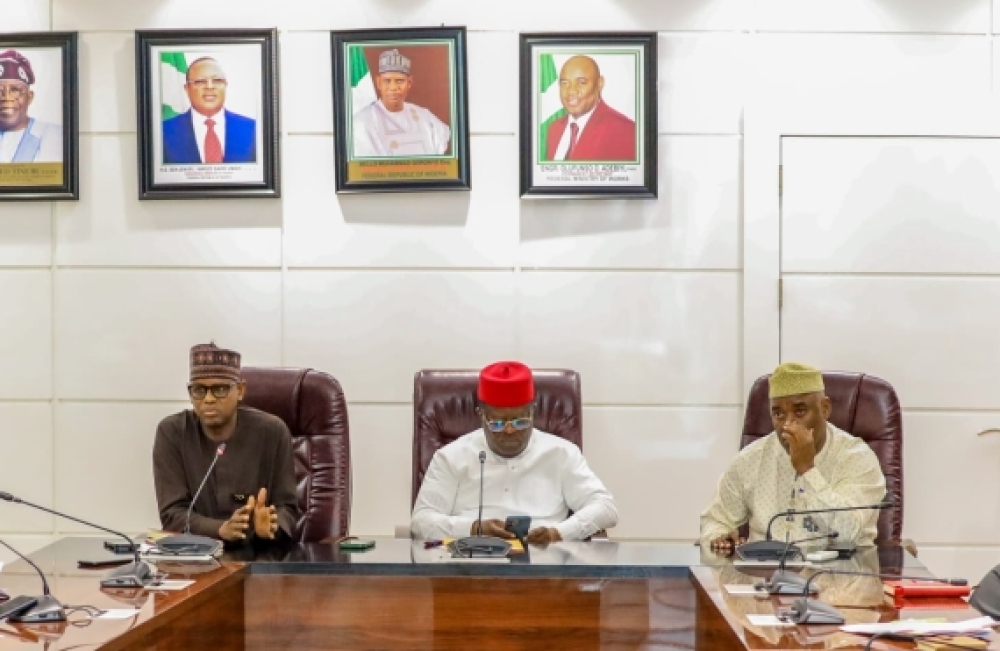
IMMEDIATE WORKS ON EMERGENCY PROJECTS UNDERWAY AS PRESIDENT TINUBU DIRECTS ACTION ON REHABILITATION OF HIGHWAYS/BRIDGES ON THE VERGE OF IMMINENT DETERIORATION. - 3RD MAINLAND BRIDGE CLOSED AGAINST HEAVY DUTY VEHICLES FOR STRUCTURAL MAINTENANCE. In the efforts of the Renewed Hope administration of the President of the Federal Republic of Nigeria, His Excellency Bola Ahmed Tinubu, GCFR, to expand and modernize road infrastructure to enhance sustainable economic growth, action is being taken to ensure immediate intervention on some of the inherited ongoing highways and bridge projects across the 6 Geo-Political Zones that are on the verge of imminent deterioration. The Honourable Minister of Works, His Excellency, Sen. Engr. Nweze David Umahi, CON made this disclosure during a press briefing held at the Honourable Minister’s conference hall, Mabushi - Abuja, on 6th August 2025. Flanked by the Honourable Minister of State for Works, Rt. Hon. Bello Muhammad Goronyo, Esq and the Permanent Secretary of the Federal Ministry of Works, Engr. Olufunsho Olusesan Adebiyi, the Honourable Minister gave a detailed insight into the conditions of the road and bridge projects being handled on emergency basis, noting that the President had directed immediate action to address critical sections of the Highways and Bridge projects that require emergency intervention and this neccessited the decision of the Federal Ministry of Works to articulate the conditions of such bridges and roads that are in dire need of repairs, some of which are currently being procured while work is in progress in some others. In the South West, he listed 3rd Mainland bridge, Carter bridge, Iddo bridge, Lagos-Ibadan bridges, Lagos – Badagry road, Ibadan – Ilesa, Ilesa – Akure-Benin, Ibadan – Oyo, Oyo – Ogbomoso –Ilorin roads as projects that needed emergency intervention. He said, “Among other emergency jobs that you’ve been seeing in Lagos, we are having a very deep conversation on the Third Mainland Bridge and Carter Bridge. And it's a very deep and concerned conversation. And we have tabled it to the Federal Executive Council and the Chairman in Council, Mr. President, directed that the Ministry should articulate the exact situation and bring it to the Federal Executive Council for deliberation. So we won't be able to say much on that until we have done that exercise as directed by the Federal Executive Council, and we'll let you know. But be assured that the Third Mainland Bridge is safe for light vehicles, but not for heavy vehicles. We have closed it against heavy vehicles, and the Carter Bridge also has issues that Mr. President is going to address as soon as our memo is completed. We also have a problem with the heavy trucks that are loading beyond our headrooms in our flyovers. We have a couple of them between Lagos and Ibadan Bridges completed in the last administration. Some of them have been knocked down. The beams are knocked down, and the beams are the structural elements that carry the slab that are carrying the vehicular loads. And so where the beam is not there, it means that it's not safe. So, for some of such bridges, we have closed down against vehicular movements. And we are very concerned. The Iddo Odo bridge was burned down during the past administration. So we are on it. It’s an ongoing project through Julius Berger.” In the North East, he said, “We have a couple of projects that have been sent to us by the NSA today. In Bauchi, we have repair works between chainage 25 and chainage 26. That's Azare. That is procured. We have about four washouts in that Azare. That is on the long stretch of Kano to Maiduguri, which has five sections. Section one is terminated from Dantata and Sawoe, 100.9 kilometres. And so it's been re-awarded to the Triacta. Funding will be a challenge, but work is ongoing. We have section five, which is at Maiduguri, handled by CCECC. Work is ongoing. We have been assisting them with SUKUK. And I'm sure that we're going to find a new source of funds. But the first section that has been washed out between Bauchi and Jigawa has already been procured. We called the Triacta, which is very close there. He's going to put multiple culverts and raise the road above the flood level, a minimum of one metre above the carriageway, and put some retaining walls so that we'll be safe there. Unfortunately, the rain has come, but I commend the President who has released some funds to tackle this. That's about four locations. In Gombe, we have Triacta that is working and has been there. And we also encouraged Triacta with some SUKUK funding and some budgetary provisions. And we're doing quite a lot of work between Gombe and Bauchi roads. So, work is ongoing. And we've almost finalised the fourth legacy project of Mr. President, which is 439 kilometres by six lanes. It was done before, designed on asphalt. But now the President directed that for durability and conformity with other legacy projects, we should do it on concrete. That project is taking off from Akwanga to Jos to Gombe. We're also doing the road from Gombe to Bauchi.” In the North West, he said that actions were being taken to ensure that an intervention be made to the Kebbe bridge in Sokoto State and other major projects that needed emergency intervention including the NNPC projects within the zone. “In North West, we have the Kebbe Bridge in Sokoto State. So we've also directed that work should commence. So what we have told you are the emergency projects that you may be coming across in social media, and to clarify that Mr. President has directed immediate action in all the locations because the chain is as strong as the weakest link. If any section of this road or bridges gets cut, then the movement is impaired. So you won't be able to move from one point to the other.” In North Central, he said, “We have the Keffi Bridge, the flyover that was knocked, and three people were killed by overboarding vehicle. We have settled with the families of the persons that were killed and that’s through the man that did the killings. We have visited there, and we've seen what the problem is to rectify it. Work is already ongoing. We procured CGC under emergency condition, since they are working at FCT so that they can start. It will involve the replacement of the beam that is knocked down. It will involve the chiseling out of the shoulder and part of the carriageway. It will involve replacement, and then to do integrity tests on the remaining beams that were damaged, and then the bridge will be restored. On Katsina-Ala road, we just got approval from Mr. President yesterday to re-scope the project, review the project, and have it completely executed. I was a very happy person because that's been giving us a lot of concern. And we'll try with the little resources to do palliative on that project.” In the South East, he stated, “The most important route in South East is the Enugu - Onitsha road, and that was awarded by the past administration, 108 kilometres by 2, and it was awarded for N202 billion to MTN under Tax Credit. But at the time we came on board, they had exhausted only N50 billion, and so we had to descope the project. And so we took out 72 kilometres of the project and awarded it to SKCC for N150 billion. Work is ongoing there. And so what we have done is to direct on emergency basis for SKCC and MTN to move immediately to the sections of the roads that are very bad, and within the scope of their work, do palliative, so that no section of that road will be unmotorable from Enugu down to Onitsha.” He urged the people of South East to double their support for the re-election of President Tinubu, noting that he has demonstrated enough goodwill to Ndigbo through many infrastructural investments of Federal Government in South East. In South South, he noted a number of roads that would be done through PPP and those for emergency intervention, including Benin – Asaba road. He said, “We have the 1st Niger Bridge to the summit junction. That is about 11.5 kilometres by two. We have China Harbour and the Atland on that project, 225 kilometres from Benin to Asaba, but not connecting the summit junction to the bridge. And so on that PPP, we gave it to African Plus, and so they're doing it on PPP. They have started work, but the other section, 11.5 by two, China Harbour, felt that it's small for them, so we have, on that emergency, given it to Atland. And the President has also released some money to start the project.” He noted that under the NNPCL projects, the North has 53% of that project, and the south has 47% of that project and which was not fairly distributed, because a place like South East has only 4%, and South West only 5%. But that notwithstanding, Mr. President decided to continue with the entire project. He described the trending video decrying the collapse of shoulders of the Lagos – Calabar Coastal Highway as an orchestration of uninformed critics who darken counsel without knowledge. He placed on record that the section being referred to is still work in progress noting that the crack was not a structural failure but a normal occurrence that happened on a sand- filled section of the shoulder (not the carriageway) because of rains. He said. “Absolutely, it's not an issue at all. That section has not been completed. Section 1 is 47.47 kilometres by 6 lanes. And so you have the main carriageway, you have the shoulder. And so where you notice the crack is the sand-filled section of the shoulder, not carriageway, with stone base, where we are not presently working on. Because to work on the shoulder, we have to bury the cable ducts. We also have to put underground drainage. People even say there is no drainage there. That thing is not a structural failure at all. Whether it is a stone base you are using, or sand, or laterite, it is bound to happen. The moment water is pounding on it, it has to erode. But you can go from Ahmadu Bello, where we have completed, and you find out whether you find such a thing, because we have closed every aspect of the sand-filled or stone base filled areas.” In their separate remarks, the Honourable Minister of State for Works and the Permanent Secretary charged the journalists to continue to uphold the tenets of journalism in their reportage, which are accuracy, objectivity and patriotism, noting that the Renewed Hope administration has made profound marks in its agenda of returning the country to the part of sustainable economic growth and prosperity. Hon. Barr. Orji Uchenna Orji Special Adviser (Media) to the Honourable Minister of Works ...
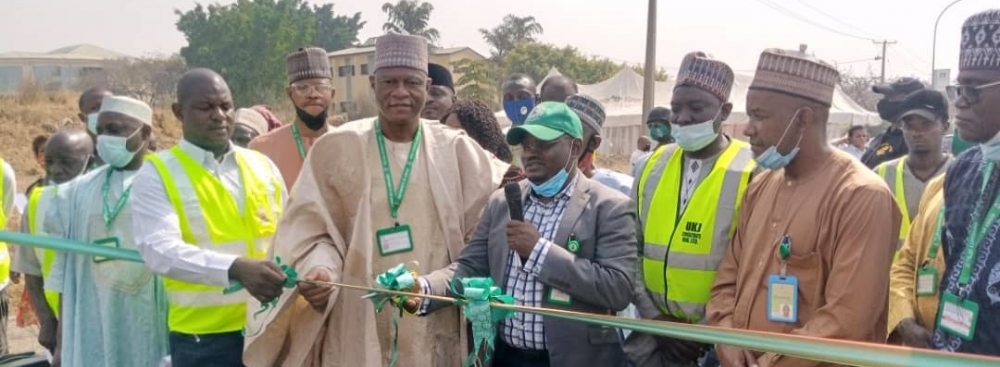
FG ADDRESSING ROAD INFRASTRUCTURE CHALLENGES IN TERTIARY INSTITUTIONS –FASHOLA
· As Minister hands over 1.05 KM internal road rehabilitated by Ministry in University of Abuja
· “It used to be one of the worst roads we have in this campus, especially during the Rainy Season; now it has become the best”, says VC
The Federal Government is working assiduously in addressing the road infrastructure challenges in tertiary institutions across the country, the Minister of Works and Housing, Mr. Babatunde Fashola, SAN, has said. Fashola, who spoke in Abuja, Thursday during the formal commissioning and handover of the 1.05 kilometre road project rehabilitated in the University of Abuja by his Ministry, said Federal Government’s intervention in the development of infrastructure in the nation’s tertiary institutions was aimed at boosting the quality of Education in the institutions.
The Minister, who was represented at the occasion by the Federal Controller of Works in the Federal Capital Territory (FCT), Engr. Usman Yakubu, said the intervention was giving students renewed hope and enthusiasm with regards to attending classes where Federal Government has restored motorability to the hitherto defective roads.
He disclosed that under the Tertiary Institutions Road Intervention Programme initiated by his Ministry, the Federal Government is currently working on 76 road projects in selected Federal tertiary institutions spread across the nation.
"We have successfully intervened in the internal road networks of 46 Federal Tertiary Institutions and handed over 29 of the roads as at 2021 and we now have another 17 ready to be handed over while we are currently attending to 30 roads in similar institutions across the country making a total of 76”, the Minister said.
According to him, "It is undebatable that the quality of education will be impacted by the quality of infrastructure and the learning environment and those who doubt it should simply listen to some of the feedbacks from the students of the schools where this type of intervention has taken place."
Fashola said the summary of all the feedbacks from students and Management staff of the University of Abuja, Gwagwalada, had demonstrated that the gap of the nation's infrastructure needs was steadily being bridged by a gradual process of repairs and construction on the major highways and schools.
The Minister described the construction of the internal roads by Federal Government in the nation’s tertiary institutions as a pointer to the administration’s progressive ideal of improving the human condition by supporting Education.
In his response, the Vice Chancellor of the University, Professor Abdulrasheed Na’ Allah, thanked President Muhammadu Buhari and the Minister for selecting the University of Abuja to benefit from the special Government’s intervention in infrastructure development saying the road used to be the worst in the institution especially during the Rainy Season.
“It is a very important road in the university, it used to be one of the worst roads we have in this campus especially during the Rainy Season and now it has become the best. We give thanks to Federal Ministry of Works and Housing”, the Vice Chancellor said.
According to him, “Tertiary institutions cannot achieve their greatness if infrastructure in the schools is not developed. With this internal road completed and handed over, Nigerians will be proud because it is a unity institution and belongs to all irrespective of your region. The internal road is very important and it will serve as a boost for sustainable social, academic and economic well-being of the students as well as the staff of the institute”, he said.
In his remarks, the institution’s Head of Works and Services, Engr. Joshua Musa, thanked the Ministry for the project saying that the road was a death trap before its rehabilitation. He said, “it is a big blessing to the entire students and management of the institute. We are grateful and very happy that the road has been fixed. Before now, we have recorded a lot of bike accidents on the road because of its bad nature”, he explained.
Reiterating Engr. Musa’s position, the Registrar of the School, Mallam Yaya Ibrahim, declared, “We are fortunate to be able to witness the handing over of this project and we thank President Muhammadu Buhari and the Honourable Minister of Works and Housing for making this to happen. It is a laudable project and will ease our movement within the school premises”.
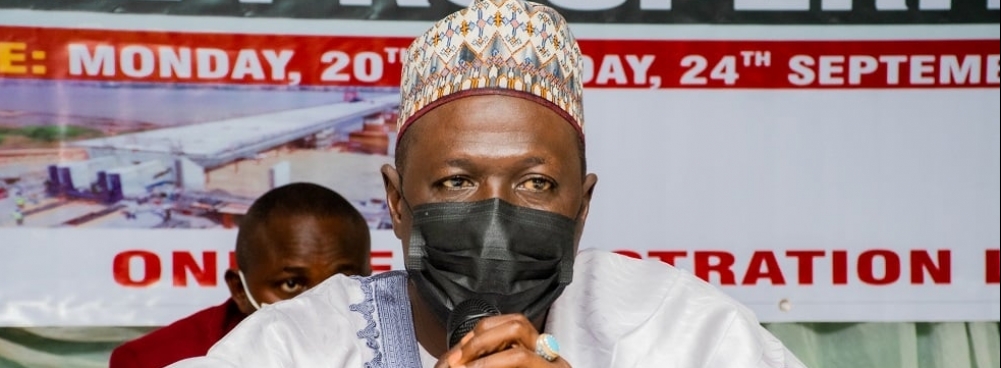
REMARKS BY THE CHAIRMAN OF THE SESSION AND PERMANENT SECRETARY, FEDERAL MINISTRY OF WORKS AND HOUSING, ALHAJI BABANGIDA HUSSAINI
In his remarks, the Permanent Secretary and Chairman of the session, Babangida Hussaini welcomed Permanent Secretaries to the 27th Meeting of the National Council on Works. He thanked the Host, His Excellency Sen. Bala Abdulkadir Mohammed, the Executive Governor of Bauchi State, his executive team members and good people of Bauchi State for providing the enabling environment for the successful hosting of the event.
He also thanked the technical session for the meticulous work done on the memoranda presented for the consideration of the 27th meeting of the National Council meeting on Works.
He explained that the theme of this year’s National Council on Works “Infrastructure Delivery, the Maintenance Economy, and National Prosperity” is carefully chosen as a new concept to explore ways of providing massive infrastructure with the support of alternative sources of funding to complement Government efforts and reduce overdependence on Government for infrastructure delivery.
He added further that the focus of the Theme is on policy formulation and implementation, Institutional Strengthening, alternative sources of funding, enhancing professionalism in road infrastructure development, maintenance as an emerging economy in infrastructure economy, tolling and weigh bridges as a catalyst in road infrastructure development and sustainability, Local Content and Alternative technology in road infrastructure development and skill development and job creation for national prosperity.
He charged members to ensure that the outcome of the meeting, meets the standard and expectations of the Council so that the nation can harness the benefits of accelerated infrastructure development.
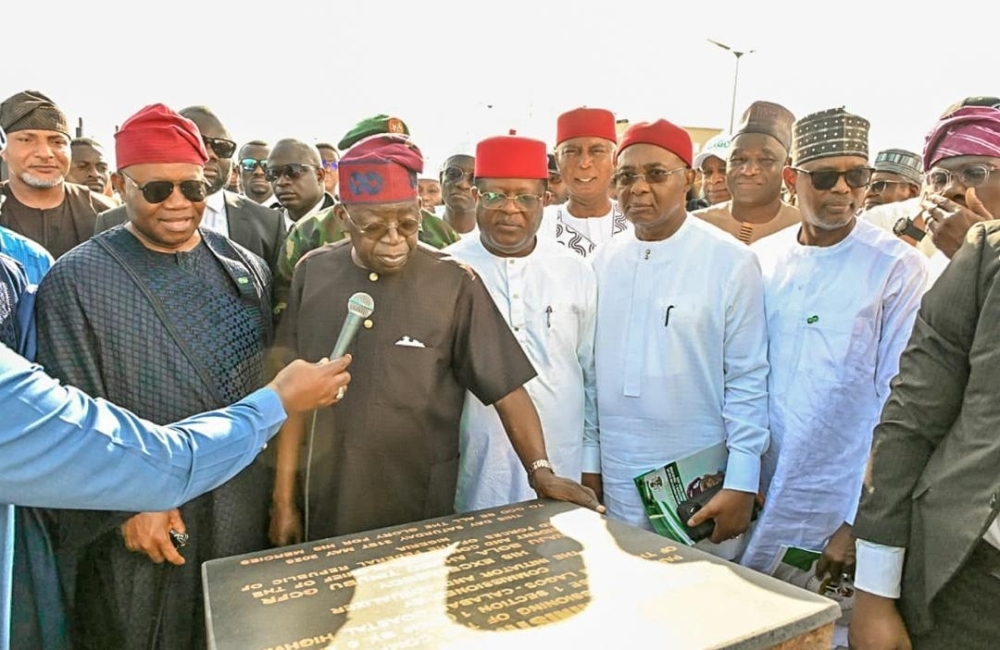
DRIVING NIGERIA’S FUTURE: CELEBRATING TWO YEARS OF TRANSFORMATIVE LEADERSHIP AND THE LAGOS-CALABAR COASTAL HIGHWAY MILESTONE
DRIVING NIGERIA’S FUTURE: CELEBRATING TWO YEARS OF TRANSFORMATIVE LEADERSHIP AND THE LAGOS-CALABAR COASTAL HIGHWAY MILESTONE
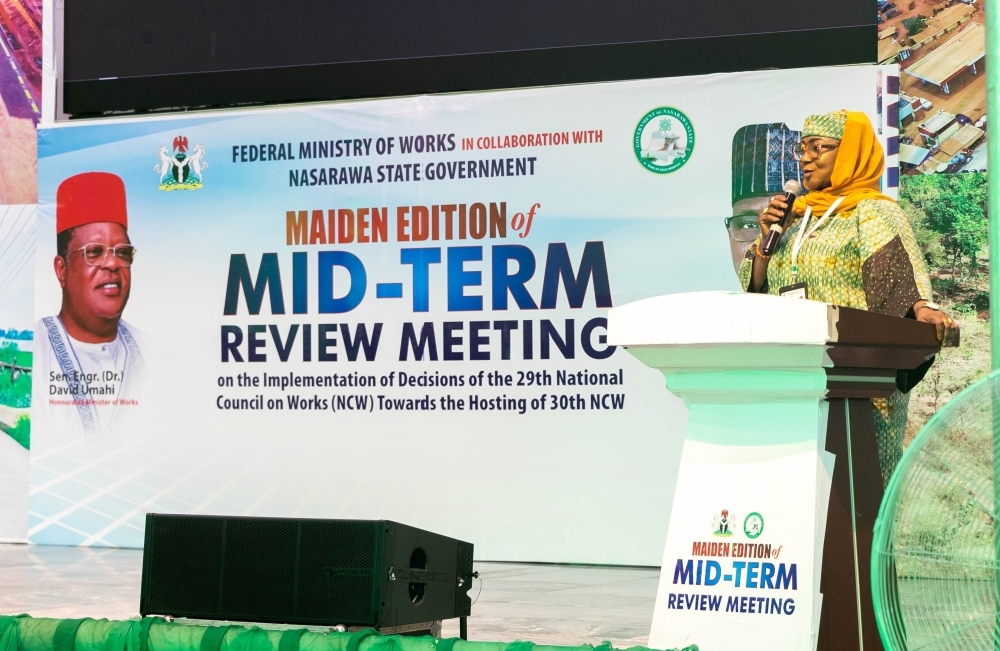
MID -TERM REVIEW MEETING ON THE IMPLIMENTATION OF THE DECISIONS REACHED AT THE 29TH NATIONAL COUNCIL ON WORKS (NCW) DAY 1
MID -TERM REVIEW MEETING ON THE IMPLIMENTATION OF THE DECISIONS REACHED AT THE 29TH NATIONAL COUNCIL ON WORKS (NCW) DAY 1