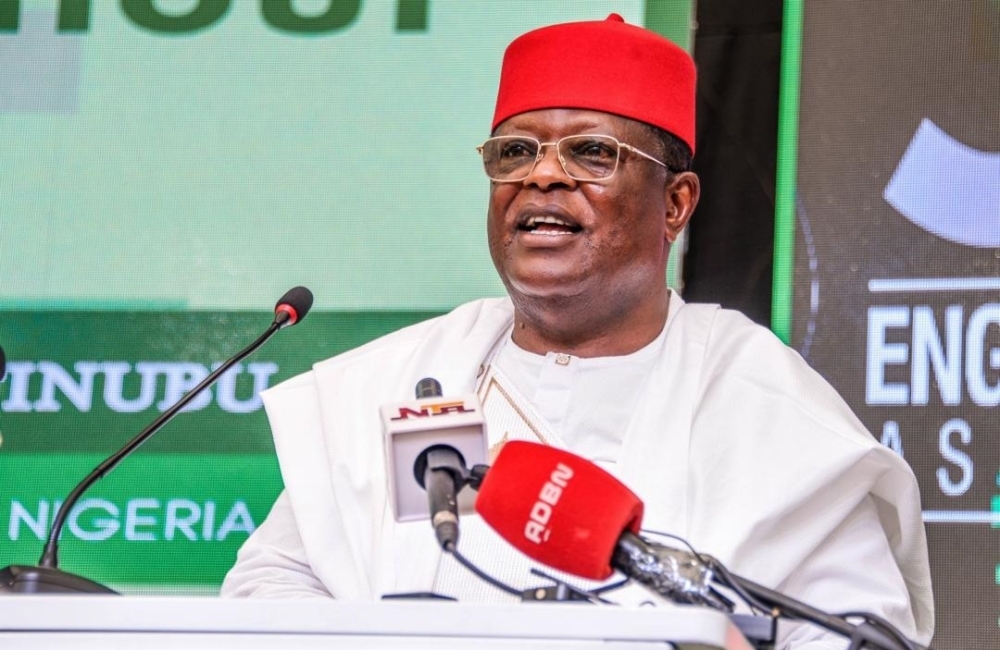
PRESIDENT TINUBU REITERATES COMMITMENT TO QUALITY INFRASTRUCTURE DELIVERY AT THE 34TH COREN ENGINEERING ASSEMBLY
President Bola Ahmed Tinubu, GCFR, has reaffirmed the Federal Government's unwavering commitment to strengthening engineering regulations, promoting quality infrastructure, and safeguarding public safety across Nigeria.
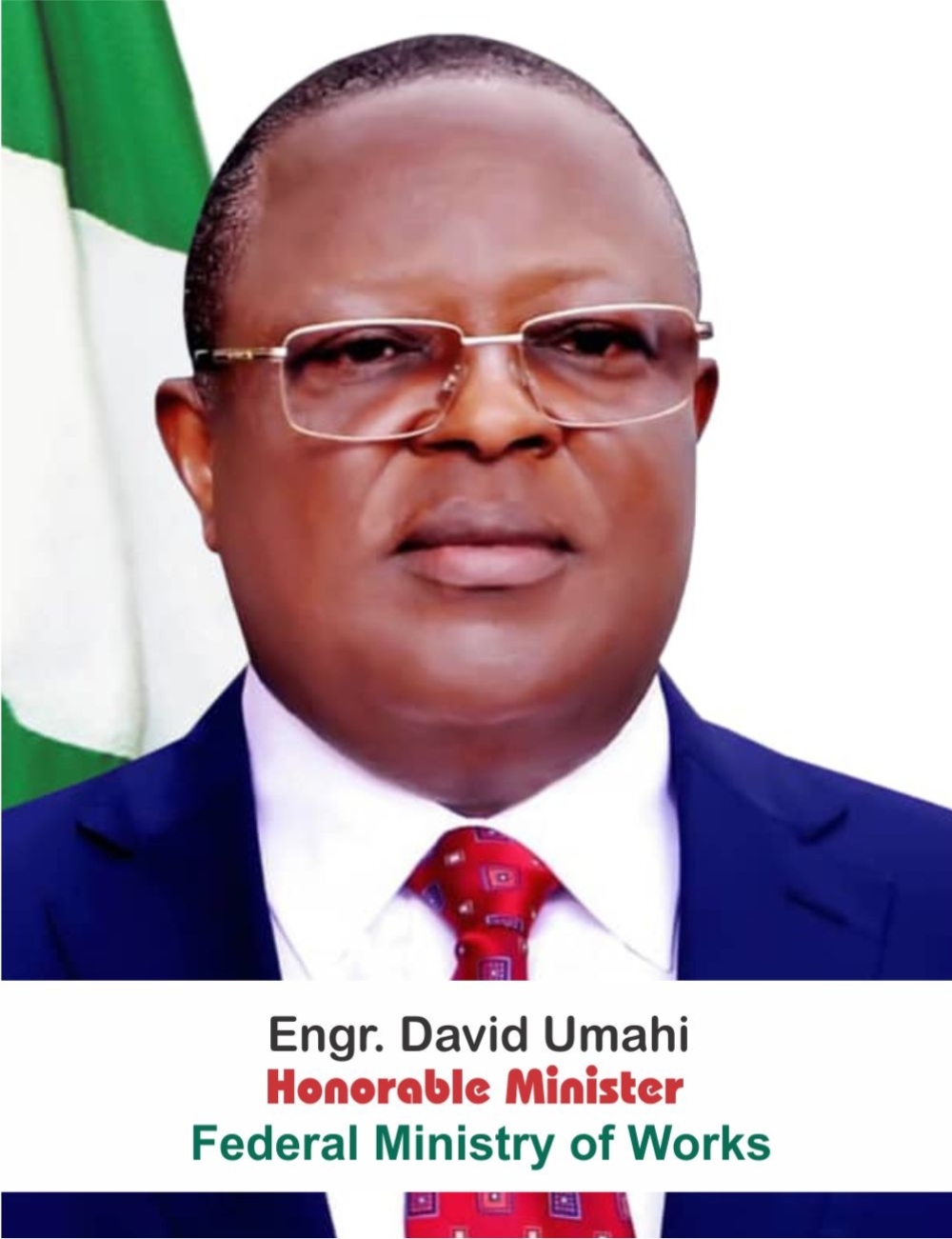
Represented by the Honourable Minister of Works, *Engr. David Umahi, CON, FNSE, FNATE *, while declaring open the 34th COREN Engineering Assembly, the President described the Assembly’s theme, *"Advancing Public Safety in Nigeria through Strategic Engineering Regulatory Enforcement and a Tiered Sanctioning Regime,"* as timely and relevant to the nation’s developmental aspirations.
The President stated that engineering remains the backbone of national development and that effective regulatory enforcement is essential for protecting lives, ensuring quality infrastructure, and restoring public confidence in the engineering profession.
He stressed that regulations are not intended to punish professionals but to protect public interest, noting that *” no road, bridge, or building is more valuable than human life.”*
President Tinubu assured participants that his administration remains fully committed to completing the four (4) Legacy Road Projects across the six geopolitical zones, under the Renewed Hope Agenda. He described them as strategic investments that will transform the nation’s economy, improve connectivity, and stimulate sustainable development.
The Honourable Minister of Works commended the Council for the Regulation of Engineering in Nigeria (COREN) for choosing an apt theme that aligns with the Federal Government’s vision for quality infrastructure delivery and adherence to public safety.
He noted that engineering is a profession where mistakes can cost human lives, emphasising that, unlike many other professions, there is often no opportunity for appeal after a structural failure. He, therefore, called for stronger regulations, strict enforcement, and effective sanctions against unqualified practitioners and professionals, who compromise ethics and standards.
Engr. Umahi stressed that site engineers must discharge their responsibilities professionally and should never allow contractors to dictate engineering decisions. He urged Council to strengthen its disciplinary mechanisms, similar to other professional regulatory bodies, to ensure that only qualified engineers are allowed to practice.
The Minister highlighted the achievements of President Tinubu’s administration, especially the ongoing Legacy Road Projects spread across all the geopolitical zones, designed to improve economic integration, enhance national security, create employment opportunities, and stimulate investment.
He expressed confidence that with continued discipline, transparency, and adherence to engineering ethos, Nigeria’s infrastructure deficit would be significantly reduced within the coming years.
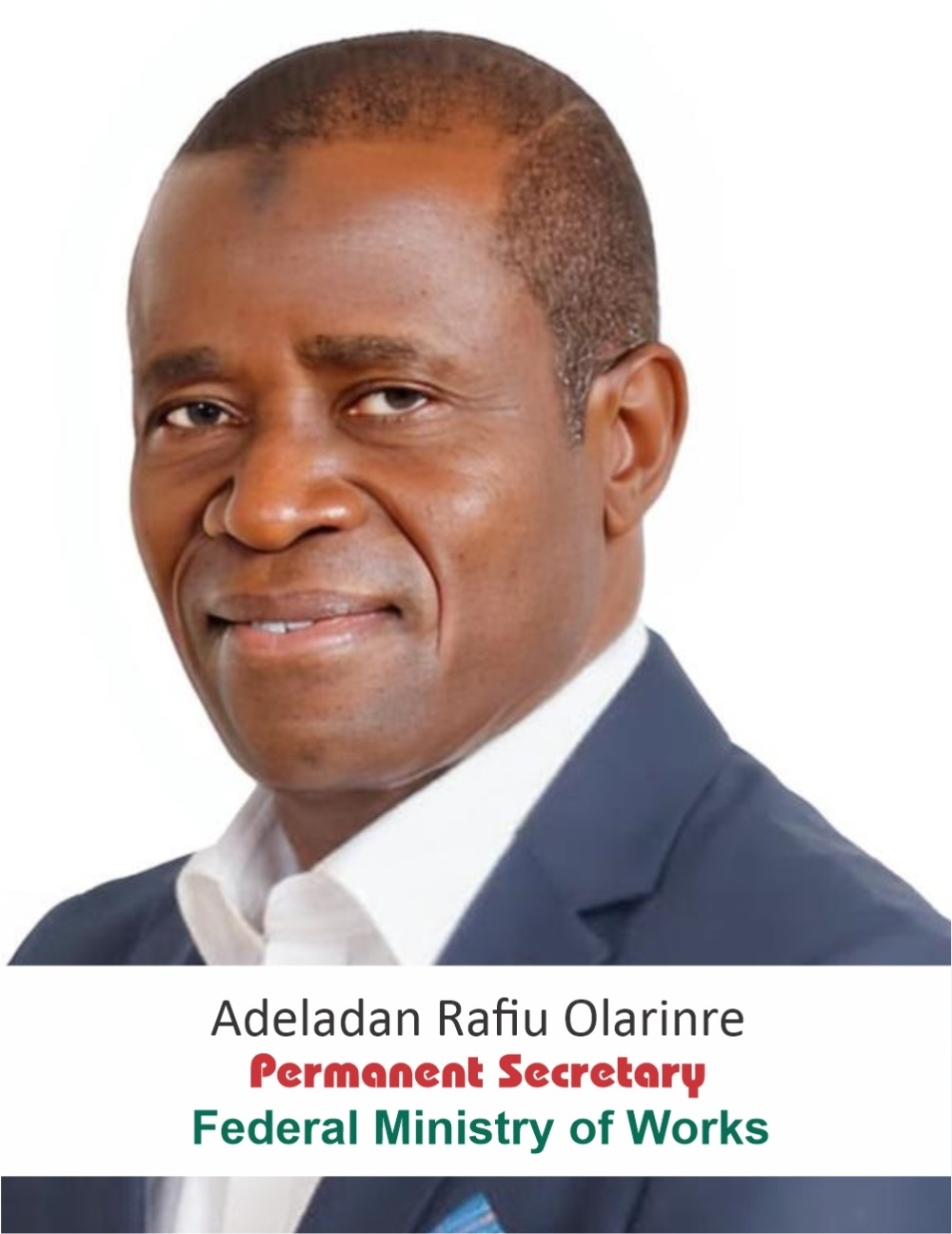
Presenting the *Keynote Address* on behalf of the Honourable Minister, the *Permanent Secretary, Federal Ministry of Works, Mr. Rafiu Adeladan,* stated that the Renewed Hope Agenda places infrastructure development at the centre of Nigeria’s economic transformation. He explained that the Ministry is implementing four major Legacy Projects across the geopolitical zones to connect communities, promote commerce, improve national integration, and encourage investment.
The Permanent Secretary emphasised that quality assurance, competence, professionalism, and independence amongst stakeholders remain fundamental requirements for sustainable infrastructure development. He urged engineers to uphold ethical standards, comply strictly with engineering regulations and best practices, and strengthen resilience through adherence to due process
The Chairman of the occasion, *Alhaji Aliko Dangote, GCON,* represented by *Prof. Hassan Umaru* described the Assembly as timely and significant, noting that engineering excellence remains the foundation of public trust, industrial competitiveness, and national development.
He observed that every infrastructure project must be executed according to approved standards and maintained throughout its lifespan. Drawing from the experience of the *Dangote Refinery* project, he explained that rigorous engineering design, quality control, technical discipline, and strict compliance with standards were critical to its successful delivery.
The Chairman called for sustained excellence within the engineering profession and urged COREN to continue strengthening regulatory frameworks, while enforcing disciplinary measures against erring practitioners, in order to safeguard lives and property.
In his *Welcome Address,* the *President of COREN, Engr. Prof. Sadiq Zubair Abubakar, FNSE,* outlined the Council’s statutory responsibility of regulating engineering education and practice in Nigeria, in line with international standards and recommended practices.
He explained that engineering graduates are expected to undergo mandatory industrial training before participating in the National Youth Service Corps (NYSC), describing practical exposure as critical to professional competence.
Prof. Abubakar further disclosed that COREN has successfully introduced digital verification and enforcement systems to improve transparency, eliminate fraudulent practices, and strengthen regulatory compliance.
He assured members that the Council would continue to uphold integrity, professionalism, and accountability, while addressing attempts by some practitioners to circumvent established standards. According to him, engineering regulation must remain transparent, sustainable, and effective in preventing infrastructure failures across the country.
In his introductory remarks, *Prof. O. A. U. Uche* emphasised the importance of sustaining quality infrastructure development through continuous improvement in engineering practice. He described infrastructure development as a collective responsibility requiring collaboration among government, professional bodies, academia, industry, and private sector stakeholders. In this vein, he, therefore, called for stronger synergy in advancing engineering excellence and national development.
The *Honourable Minister of Innovation, Science and Technology, Dr. Bosun Tijjani*, stated that science, technology, and engineering remain critical drivers of economic growth, innovation, and public safety. He pledged continued collaboration between the Ministry and engineering regulatory agencies.
Representing the Nigeria Governors' Forum, the *Governor of Plateau State, Barr. Caleb Mutfwang,* opined that engineering is one of the most respected professions globally and emphasised the need to create an enabling environment for engineers to thrive, while sustaining public safety and economic development.
The *National Chairman of the All Progressives Congress (APC), Professor Nentawe Yilwatda*, commended COREN for its achievements in regulating engineering practice. He described engineers as the backbone of national development and praised the Federal Ministry of Works, under the leadership of Engr. David Umahi for the remarkable progress recorded on the four Legacy Road Projects and others across the six geopolitical zones.
He congratulated the Ministry for its commitment to quality infrastructure and affirmed that Nigerian engineers continue to distinguish themselves through professionalism and excellence both nationally and internationally.
The 34th Engineering Assembly reaffirms
COREN’s commitment to strengthening engineering regulations, enforcement, and a tiered sanctioning regime to ensure public safety and sustainable infrastructure development in Nigeria.



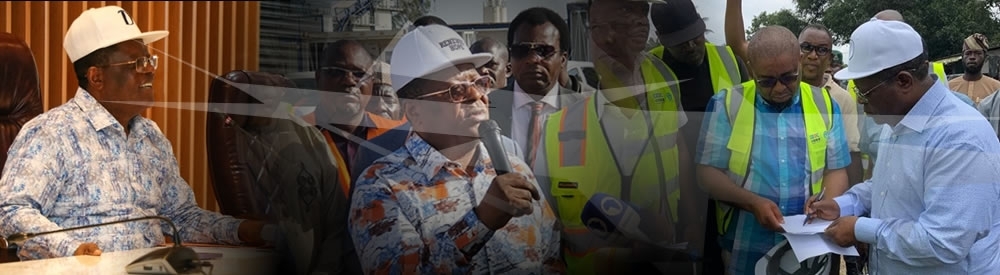
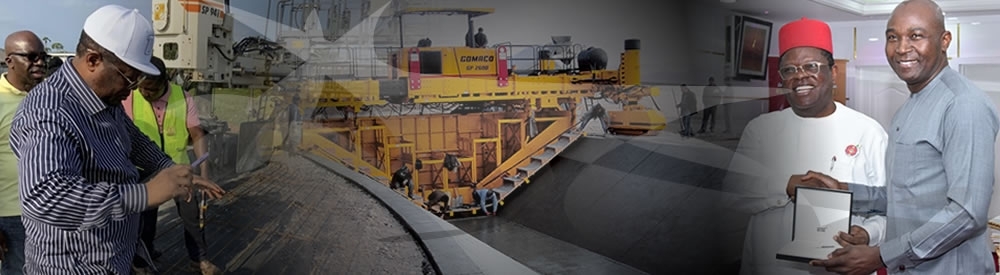
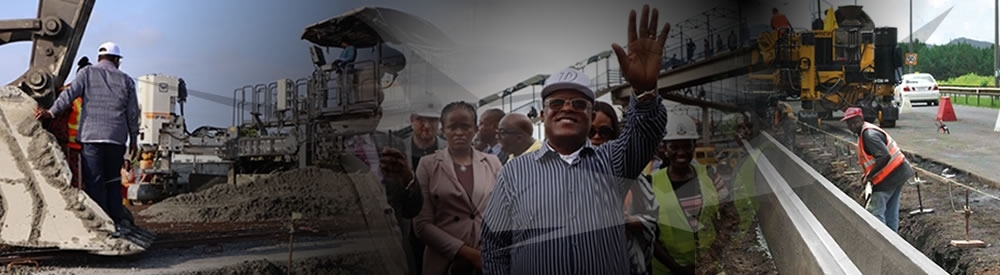
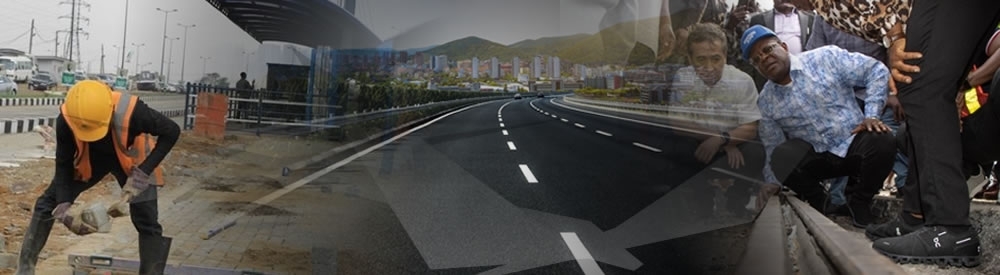

President Bola Ahmed Tinubu, GCFR, has reaffirmed the Federal Government's unwavering commitment to strengthening engineering regulations, promoting quality infrastructure, and safeguarding public safety across Nigeria. Represented by the Honourable Minister of Works, *Engr. David Umahi, CON, FNSE, FNATE *, while declaring open the 34th COREN Engineering Assembly, the President described the Assembly’s theme, *"Advancing Public Safety in Nigeria through Strategic Engineering Regulatory Enforcement and a Tiered Sanctioning Regime,"* as timely and relevant to the nation’s developmental aspirations. The President stated that engineering remains the backbone of national development and that effective regulatory enforcement is essential for protecting lives, ensuring quality infrastructure, and restoring public confidence in the engineering profession. He stressed that regulations are not intended to punish professionals but to protect public interest, noting that *” no road, bridge, or building is more valuable than human life.”* President Tinubu assured participants that his administration remains fully committed to completing the four (4) Legacy Road Projects across the six geopolitical zones, under the Renewed Hope Agenda. He described them as strategic investments that will transform the nation’s economy, improve connectivity, and stimulate sustainable development. The Honourable Minister of Works commended the Council for the Regulation of Engineering in Nigeria (COREN) for choosing an apt theme that aligns with the Federal Government’s vision for quality infrastructure delivery and adherence to public safety. He noted that engineering is a profession where mistakes can cost human lives, emphasising that, unlike many other professions, there is often no opportunity for appeal after a structural failure. He, therefore, called for stronger regulations, strict enforcement, and effective sanctions against unqualified practitioners and professionals, who compromise ethics and standards. Engr. Umahi stressed that site engineers must discharge their responsibilities professionally and should never allow contractors to dictate engineering decisions. He urged Council to strengthen its disciplinary mechanisms, similar to other professional regulatory bodies, to ensure that only qualified engineers are allowed to practice. The Minister highlighted the achievements of President Tinubu’s administration, especially the ongoing Legacy Road Projects spread across all the geopolitical zones, designed to improve economic integration, enhance national security, create employment opportunities, and stimulate investment. He expressed confidence that with continued discipline, transparency, and adherence to engineering ethos, Nigeria’s infrastructure deficit would be significantly reduced within the coming years. Presenting the *Keynote Address* on behalf of the Honourable Minister, the *Permanent Secretary, Federal Ministry of Works, Mr. Rafiu Adeladan,* stated that the Renewed Hope Agenda places infrastructure development at the centre of Nigeria’s economic transformation. He explained that the Ministry is implementing four major Legacy Projects across the geopolitical zones to connect communities, promote commerce, improve national integration, and encourage investment. The Permanent Secretary emphasised that quality assurance, competence, professionalism, and independence amongst stakeholders remain fundamental requirements for sustainable infrastructure development. He urged engineers to uphold ethical standards, comply strictly with engineering regulations and best practices, and strengthen resilience through adherence to due process The Chairman of the occasion, *Alhaji Aliko Dangote, GCON,* represented by *Prof. Hassan Umaru* described the Assembly as timely and significant, noting that engineering excellence remains the foundation of public trust, industrial competitiveness, and national development. He observed that every infrastructure project must be executed according to approved standards and maintained throughout its lifespan. Drawing from the experience of the *Dangote Refinery* project, he explained that rigorous engineering design, quality control, technical discipline, and strict compliance with standards were critical to its successful delivery. The Chairman called for sustained excellence within the engineering profession and urged COREN to continue strengthening regulatory frameworks, while enforcing disciplinary measures against erring practitioners, in order to safeguard lives and property. In his *Welcome Address,* the *President of COREN, Engr. Prof. Sadiq Zubair Abubakar, FNSE,* outlined the Council’s statutory responsibility of regulating engineering education and practice in Nigeria, in line with international standards and recommended practices. He explained that engineering graduates are expected to undergo mandatory industrial training before participating in the National Youth Service Corps (NYSC), describing practical exposure as critical to professional competence. Prof. Abubakar further disclosed that COREN has successfully introduced digital verification and enforcement systems to improve transparency, eliminate fraudulent practices, and strengthen regulatory compliance. He assured members that the Council would continue to uphold integrity, professionalism, and accountability, while addressing attempts by some practitioners to circumvent established standards. According to him, engineering regulation must remain transparent, sustainable, and effective in preventing infrastructure failures across the country. In his introductory remarks, *Prof. O. A. U. Uche* emphasised the importance of sustaining quality infrastructure development through continuous improvement in engineering practice. He described infrastructure development as a collective responsibility requiring collaboration among government, professional bodies, academia, industry, and private sector stakeholders. In this vein, he, therefore, called for stronger synergy in advancing engineering excellence and national development. The *Honourable Minister of Innovation, Science and Technology, Dr. Bosun Tijjani*, stated that science, technology, and engineering remain critical drivers of economic growth, innovation, and public safety. He pledged continued collaboration between the Ministry and engineering regulatory agencies. Representing the Nigeria Governors' Forum, the *Governor of Plateau State, Barr. Caleb Mutfwang,* opined that engineering is one of the most respected professions globally and emphasised the need to create an enabling environment for engineers to thrive, while sustaining public safety and economic development. The *National Chairman of the All Progressives Congress (APC), Professor Nentawe Yilwatda*, commended COREN for its achievements in regulating engineering practice. He described engineers as the backbone of national development and praised the Federal Ministry of Works, under the leadership of Engr. David Umahi for the remarkable progress recorded on the four Legacy Road Projects and others across the six geopolitical zones. He congratulated the Ministry for its commitment to quality infrastructure and affirmed that Nigerian engineers continue to distinguish themselves through professionalism and excellence both nationally and internationally. The 34th Engineering Assembly reaffirms
PRESIDENT TINUBU REITERATES COMMITMENT TO QUALITY INFRASTRUCTURE DELIVERY AT THE 34TH COREN ENGINEERING ASSEMBLY
COREN’s commitment to strengthening engineering regulations, enforcement, and a tiered sanctioning regime to ensure public safety and sustainable infrastructure development in Nigeria.
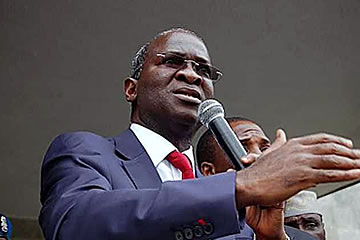
Vocational Education: A Pathway To Building A Prosperous Nation - Fashola The Minister of Power, Works and Housing, Babatunde Raji Fashola, has indentified among many other factors the need to focus on vocational education for a speedy and prosperous future. Fashola said this at a one day stakeholder’s meeting organized by the Council for the Regulation of Engineering in Nigeria on how to proffer solutions to the decline of Technical Education in Nigeria with the theme “Technical Education Manpower Shortage” at Nicon Luxury Hotel, Abuja. The Minister who was represented by his Special Adviser on Works, Engr. Femi Hamzat, drew his reference from three different countries: - Singapore, South Africa and Canada and advised all the educational policy makers to emulate those countries, saying for example, that Singapore has consistently transformed its educational system to meet its required needs. He further stated that Singapore credits her competitive and growing economy to the nation’s approach to education by identifying areas in the economy that require skill-based education. The Minister said, in South Africa “vocational technical education is recognized as an important factor in developing its economy and as such, its development has been used to heal the past divisions by improving the standard of living leading to a more successful nation.” Fashola also stated that Technical Vocational Education systems are dynamic and the challenges thereof are unique. As such he opined that efforts must be geared towards the system that will address the national needs and economy, if actually the nation is yearning for development it desire. The Minister called on the Federal Government to articulate effective and responsive Technical and Vocational education system, which will accommodate Nigeria’s vast social, economic, educational and cultural conditions for national development Fashola also said that plan is on-going on how to strengthen Federal Emergency Road Maintenance Agency, (FERMA) to be more responsive to the needs of national growth through legislation. The reasons for doing this he noted are to engage artisans and craftsmen to fix roads and to make FERMA a big employer of labour to different categories of manpower. Earlier, the President of Council for the Regulation of Engineering in Nigeria, (COREN), Engr. Kashim A. Ali, said the theme for the meeting was informed by dearth of technical colleges which has led to non-existence of qualified Craftsmen and Technicians in Nigerian engineering sector and the needs to fine tune ways of addressing the issue. Engr. Kasim stated that Artisans and Technicians constitute a very important manpower of the value chain in the engineering service delivery, stressing that “the dearth of indigenous artisans and technicians in the engineering sector has negative impact on economy, and as the skills gap continues to widen, there has been huge capital flight as expatriates come in to fill the lacuna at the detriment of the country.” In his goodwill address, the Chairman, House of Representative Committee on Works, Hon. Toby Okechukwu, charged the stakeholders to gear up their efforts in addressing the shortage of artisans and technicians within the profession, otherwise the issue of hiring expatriates will continue to exist because the vacuum cannot be left unfilled. ...
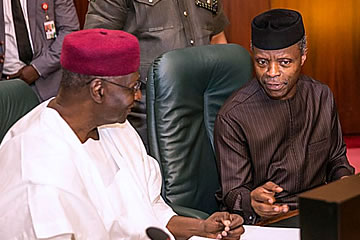
Federal Executive Council Approves N54 Billion For Reconstruction of Road Linking Akwa Ibom and Cross River States The Federal Executive Council (FEC), presided over by Vice-President Yemi Osimbajo, on Wednesday, approved N54billion for the reconstruction of Odukpani Itu-Ikot Ekpene road linking Akwa Ibom and Cross River states. The Minister of Power, Works and Housing, Babatunde Fashola, disclosed this when he briefed State House correspondents on the outcome of the FEC meeting held in the Presidential Villa, Abuja. He stated that the road, which was constructed over 40 years ago, would boost socio-economic activities and improve the performance of the economy by reducing journey time, the cost of doing business and also create more job opportunities. Fashola added that this is consistent with the promise of this administration to create employment opportunities from construction works and stimulate the economy. “We will do the best to quickly mobilise the contractor to site with the onset of the rainy season and I am sure that by this time next year, it will be a better story, a better journey time experience in that area of the country,” he said. Also addressing the reporters, the Minister of State for Aviation, Hadi Sirika disclosed that the Council approved N1.5billion for projects in the aviation sector. He disclosed that the Council approved the appointment of transaction advisers to carry out advisory services on establishment of national carriers, establishment of aviation leasing company and establishment of maintenance repair and overhaul centre. He said advisers were also approved for the establishment of Aerotropolis or airport city and for the concession of the nation’s airports. The Minister of Water Resources, Alhaji Suleiman Adamu told the correspondents that the Council approved contract verification of the dairy irrigation project located along Kano and Jigawa states. He noted that the project, which is about 2,300 hectare, was abandoned after reaching 50 per cent completion about 17 years ago. According to the minister, there is already a provision for the project in the 2016 budget and it has also been included in the 2017 budget. Minister of Information and Culture, Lai Mohammed also explained that President Muhammadu Buhari’s absence at the Wednesday’s Federal Executive Council (FEC) meeting followed medical advice from his doctors. The minister stated that the President, who was in office on Tuesday, was asked to take some rest by his doctors, today. He thanked Nigerians for their concern and prayers for the quick recovery of the president. Mohammed dismissed as wicked and ungodly the insinuation that the President’s health had deteriorated to the extent that he was being assisted before taking his meals. According to the minister, President Buhari deserves commendation from all well-meaning individuals and groups for being transparent and upfront in the matter concerning his health. ...
World Bank Group Support for Nigeria’s Power Sector Recovery Program Washington, DC, April 22, 2017 – The World Bank Group and the Federal Government of Nigeria today had a high level consultation meeting to discuss World Bank Group support for the Government’s Power Sector Recovery Program, which was approved by the Federal Executive Council of Nigeria on March 22, 2017. The current status of the power sector characterized by poor service and lack of liquidity is a source of macro-economic imbalances and a binding constraint to the revival of growth for the country. The Power Sector Recovery Program focuses on supporting implementation of power sector reform, reducing losses in the distribution companies, enhancing the sector’s financial viability, increasing access to electricity services, and mobilizing private sector investment. “The approval of the Power Sector Recovery Program by the Federal Executive Council demonstrates that the Federal Government is committed to the sustainable development of the power sector. The implementation of the Program is critical to achieving the objectives of the Government’s Economic Growth and Recovery Plan,” said H.E. Babatunde Fashola, SAN, Minister for Power, Works and Housing. “There is need for well-designed derisking in order to attract private investors to the sector,” said Mrs. Kemi Adeosun, Minister of Finance. “All the agencies of Government will work in concert to ensure implementation of the Power Sector Recovery Program.” “The legislative arm of the Nigerian government is fully committed to the successful implementation of the Power Sector Recovery Program,” said Senator Enyinnaya Abaribe, Chairman, Senate Committee on Power, Steel and Metallurgy. “We will make sure our oversight functions focus on the completion of projects and initiatives that support the effectiveness of the Power Sector Recovery Program” said Honourable Dan Asuquo, Chairman, House of Representatives Committee on Power. The World Bank Group congratulated the Government on its commitment to the Recovery Program, stressing the critical importance of the power sector for Nigeria’s development and for restoring macroeconomic resilience and growth. The meeting discussed the action plan set out in the Program, stressing the need for strong interagency coordination to ensure that it attains its aims. "Controlling the cost of electricity supply is a critical element of the Recovery Program that will require close attention to prioritizing investments based on least cost power development investment planning principles,” said Riccardo Puliti, World Bank Senior Director for Energy and Extractive Industries. “A turnaround of the power sector will require the expertise and financing of the private sector,” said Bernard Sheahan, Global Director for Infrastructure and Natural Resources at the International Finance Corporation. “This would require continuous improvement in the investment climate in Nigeria and strong communications among stakeholders of the sector reform plan during its implementation.” “A full range of instruments will be deployed to help the Government mobilize investments directly from the private sector and through private sector guarantees,” said Sarvesh Suri, Director of Operations at the Multilateral Investment Guarantee Agency. The World Bank Group reaffirmed its strong partnership with the Government of Nigeria in addressing the challenges in power sector, that include bringing its experience in developing financing solutions and attracting private sector capital in Nigeria. The meeting resulted in agreement on the next steps in developing the World Bank Group’s support, recognizing the need for concerted efforts to accelerate its preparation. “The World Bank Group is committed to supporting the implementation of the Government’s Power Sector Recovery Program to re-establish financial sustainability in the power sector,” said Rachid Benmessaoud, World Bank Country Director for Nigeria. Contacts: In Abuja (Federal Government of Nigeria): Permanent Secretary, Ministry for Power, Works and Housing: Louis Edozien, louis.edozien@power.gov.ng In Abuja (The World Bank Group): Olufunke Olufon, 08149921055, oolufon@worldbank.org In Washington (The World Bank Group): Ekaterina Svirina, (202) 458-1042, esvirina@worldbank.org For more information on the World Bank’s programs in Nigeria, visit: http://www.worldbank.org/en/country/nigeria Join us on: https://www.facebook.com/worldbank Follow us on Twitter: https://twitter.com/WorldBankAfrica Find us on YouTube: http://www.worldbank.org/africa/youtube Listen to us on Soundcloud: https://soundcloud.com/worldbank/sets/world-bank-africa ...
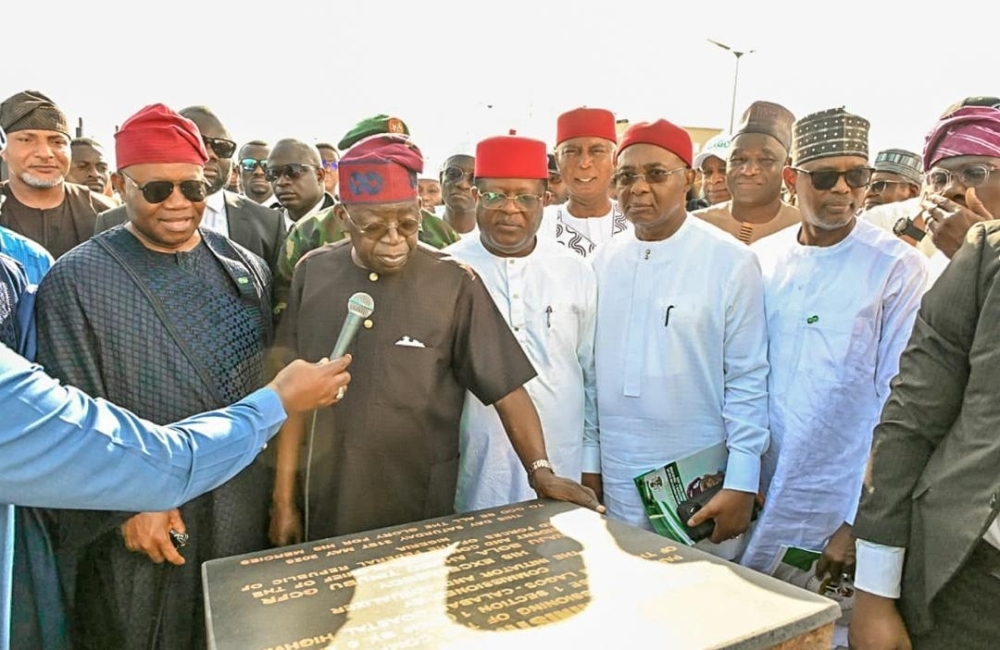
DRIVING NIGERIA’S FUTURE: CELEBRATING TWO YEARS OF TRANSFORMATIVE LEADERSHIP AND THE LAGOS-CALABAR COASTAL HIGHWAY MILESTONE
DRIVING NIGERIA’S FUTURE: CELEBRATING TWO YEARS OF TRANSFORMATIVE LEADERSHIP AND THE LAGOS-CALABAR COASTAL HIGHWAY MILESTONE
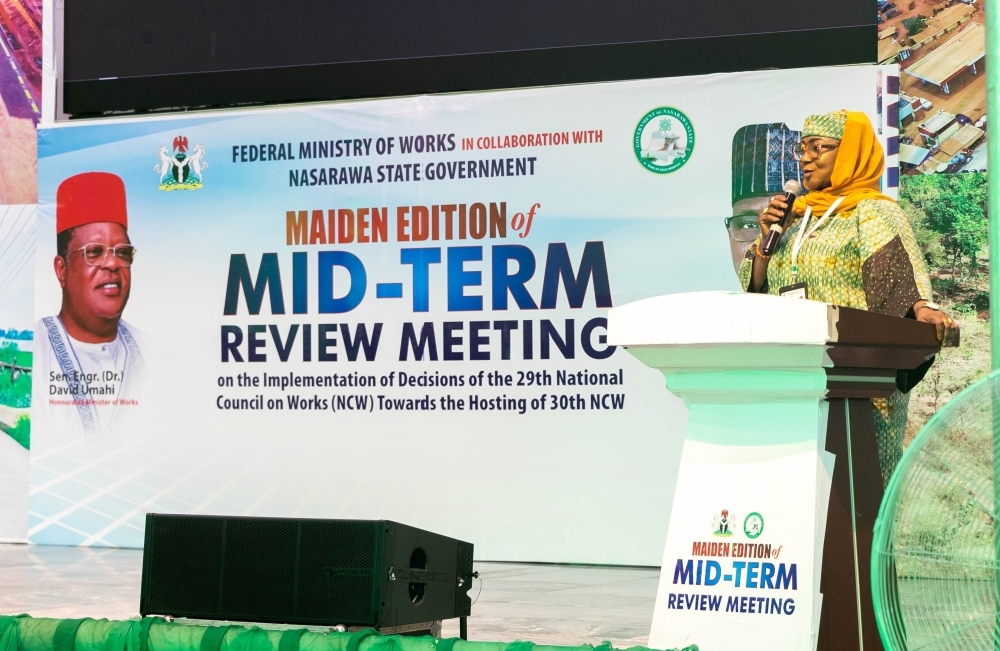
MID -TERM REVIEW MEETING ON THE IMPLIMENTATION OF THE DECISIONS REACHED AT THE 29TH NATIONAL COUNCIL ON WORKS (NCW) DAY 1
MID -TERM REVIEW MEETING ON THE IMPLIMENTATION OF THE DECISIONS REACHED AT THE 29TH NATIONAL COUNCIL ON WORKS (NCW) DAY 1