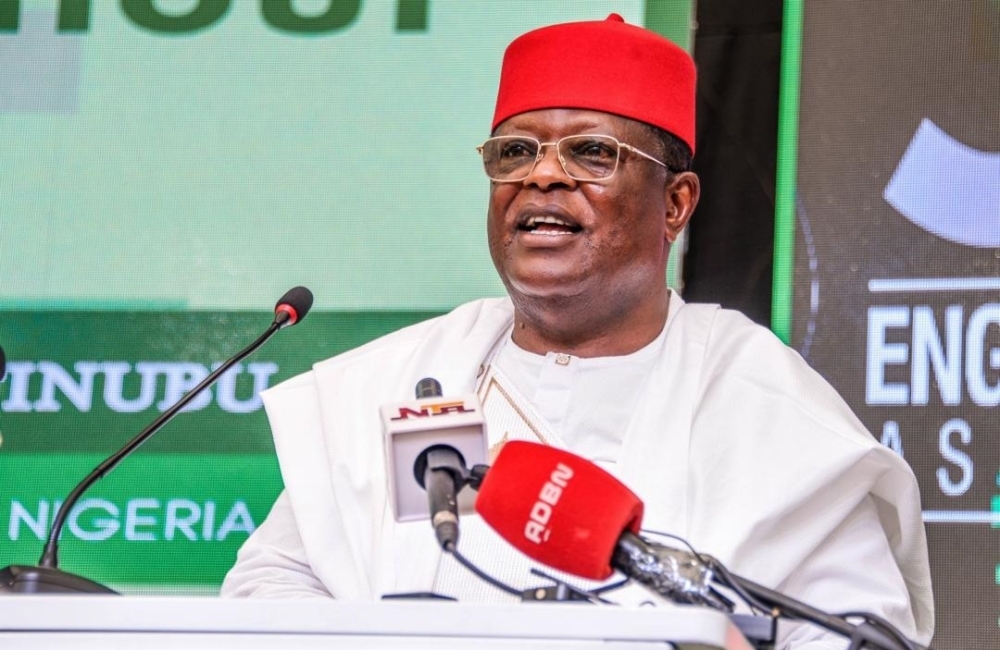
PRESIDENT TINUBU REITERATES COMMITMENT TO QUALITY INFRASTRUCTURE DELIVERY AT THE 34TH COREN ENGINEERING ASSEMBLY
President Bola Ahmed Tinubu, GCFR, has reaffirmed the Federal Government's unwavering commitment to strengthening engineering regulations, promoting quality infrastructure, and safeguarding public safety across Nigeria.
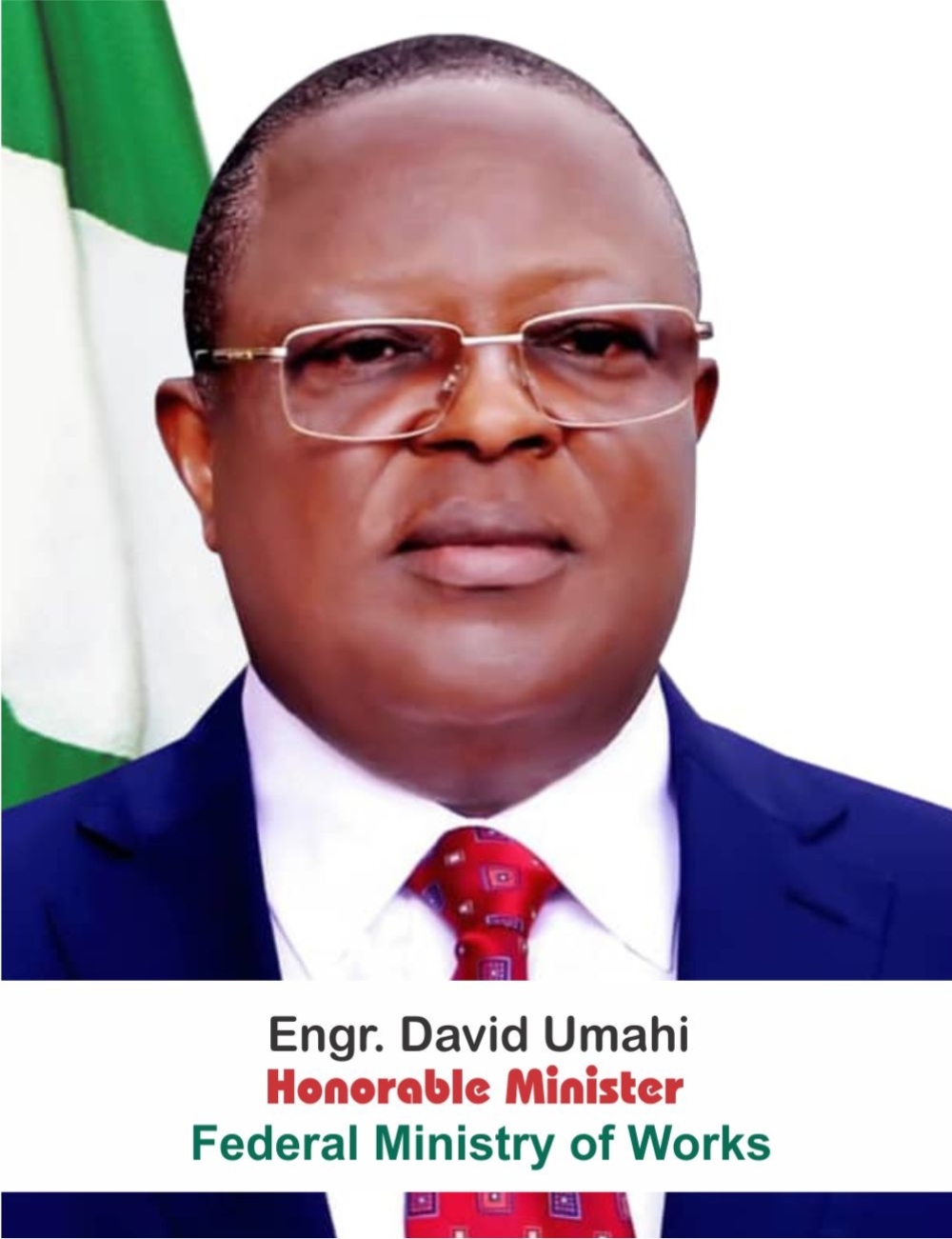
Represented by the Honourable Minister of Works, *Engr. David Umahi, CON, FNSE, FNATE *, while declaring open the 34th COREN Engineering Assembly, the President described the Assembly’s theme, *"Advancing Public Safety in Nigeria through Strategic Engineering Regulatory Enforcement and a Tiered Sanctioning Regime,"* as timely and relevant to the nation’s developmental aspirations.
The President stated that engineering remains the backbone of national development and that effective regulatory enforcement is essential for protecting lives, ensuring quality infrastructure, and restoring public confidence in the engineering profession.
He stressed that regulations are not intended to punish professionals but to protect public interest, noting that *” no road, bridge, or building is more valuable than human life.”*
President Tinubu assured participants that his administration remains fully committed to completing the four (4) Legacy Road Projects across the six geopolitical zones, under the Renewed Hope Agenda. He described them as strategic investments that will transform the nation’s economy, improve connectivity, and stimulate sustainable development.
The Honourable Minister of Works commended the Council for the Regulation of Engineering in Nigeria (COREN) for choosing an apt theme that aligns with the Federal Government’s vision for quality infrastructure delivery and adherence to public safety.
He noted that engineering is a profession where mistakes can cost human lives, emphasising that, unlike many other professions, there is often no opportunity for appeal after a structural failure. He, therefore, called for stronger regulations, strict enforcement, and effective sanctions against unqualified practitioners and professionals, who compromise ethics and standards.
Engr. Umahi stressed that site engineers must discharge their responsibilities professionally and should never allow contractors to dictate engineering decisions. He urged Council to strengthen its disciplinary mechanisms, similar to other professional regulatory bodies, to ensure that only qualified engineers are allowed to practice.
The Minister highlighted the achievements of President Tinubu’s administration, especially the ongoing Legacy Road Projects spread across all the geopolitical zones, designed to improve economic integration, enhance national security, create employment opportunities, and stimulate investment.
He expressed confidence that with continued discipline, transparency, and adherence to engineering ethos, Nigeria’s infrastructure deficit would be significantly reduced within the coming years.
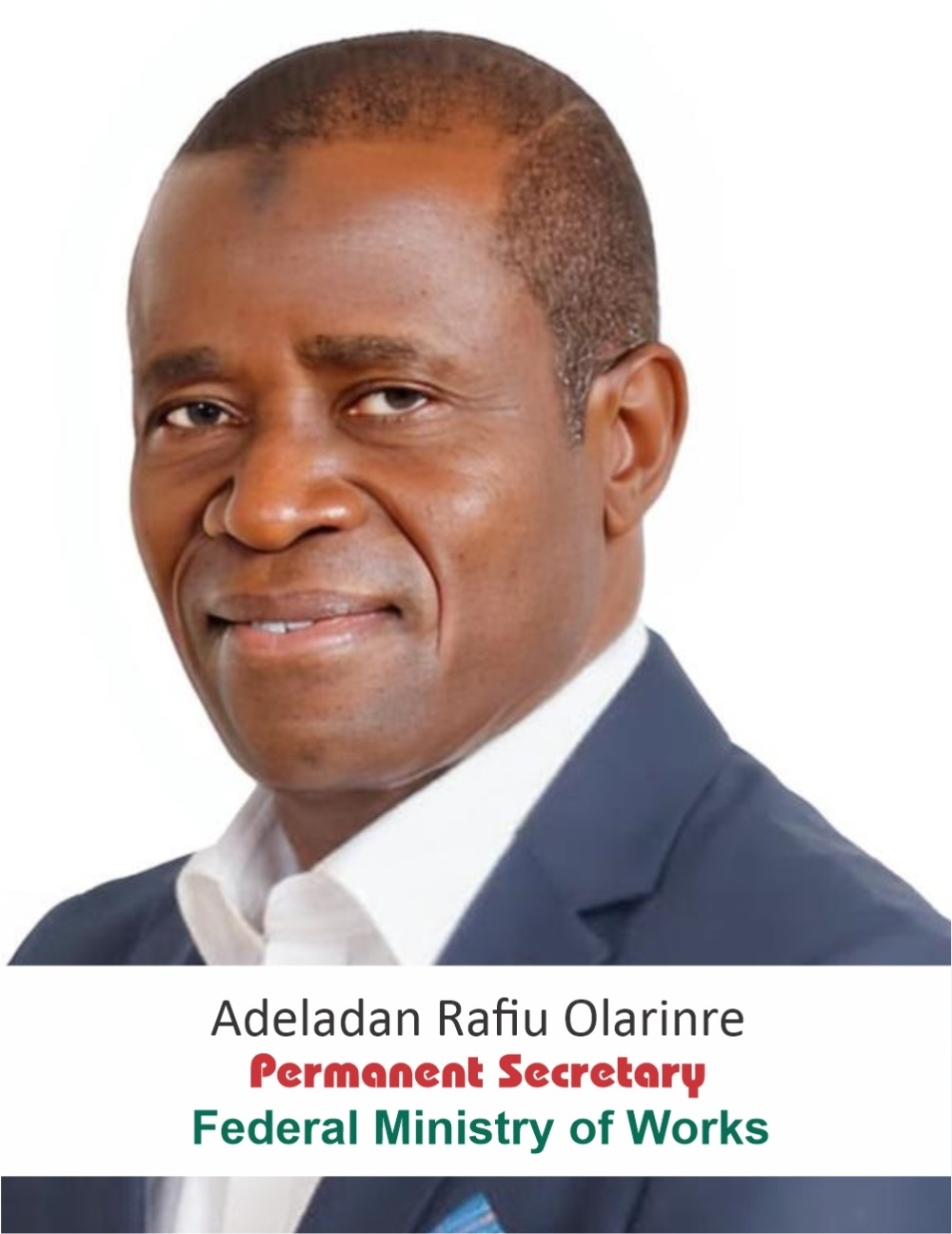
Presenting the *Keynote Address* on behalf of the Honourable Minister, the *Permanent Secretary, Federal Ministry of Works, Mr. Rafiu Adeladan,* stated that the Renewed Hope Agenda places infrastructure development at the centre of Nigeria’s economic transformation. He explained that the Ministry is implementing four major Legacy Projects across the geopolitical zones to connect communities, promote commerce, improve national integration, and encourage investment.
The Permanent Secretary emphasised that quality assurance, competence, professionalism, and independence amongst stakeholders remain fundamental requirements for sustainable infrastructure development. He urged engineers to uphold ethical standards, comply strictly with engineering regulations and best practices, and strengthen resilience through adherence to due process
The Chairman of the occasion, *Alhaji Aliko Dangote, GCON,* represented by *Prof. Hassan Umaru* described the Assembly as timely and significant, noting that engineering excellence remains the foundation of public trust, industrial competitiveness, and national development.
He observed that every infrastructure project must be executed according to approved standards and maintained throughout its lifespan. Drawing from the experience of the *Dangote Refinery* project, he explained that rigorous engineering design, quality control, technical discipline, and strict compliance with standards were critical to its successful delivery.
The Chairman called for sustained excellence within the engineering profession and urged COREN to continue strengthening regulatory frameworks, while enforcing disciplinary measures against erring practitioners, in order to safeguard lives and property.
In his *Welcome Address,* the *President of COREN, Engr. Prof. Sadiq Zubair Abubakar, FNSE,* outlined the Council’s statutory responsibility of regulating engineering education and practice in Nigeria, in line with international standards and recommended practices.
He explained that engineering graduates are expected to undergo mandatory industrial training before participating in the National Youth Service Corps (NYSC), describing practical exposure as critical to professional competence.
Prof. Abubakar further disclosed that COREN has successfully introduced digital verification and enforcement systems to improve transparency, eliminate fraudulent practices, and strengthen regulatory compliance.
He assured members that the Council would continue to uphold integrity, professionalism, and accountability, while addressing attempts by some practitioners to circumvent established standards. According to him, engineering regulation must remain transparent, sustainable, and effective in preventing infrastructure failures across the country.
In his introductory remarks, *Prof. O. A. U. Uche* emphasised the importance of sustaining quality infrastructure development through continuous improvement in engineering practice. He described infrastructure development as a collective responsibility requiring collaboration among government, professional bodies, academia, industry, and private sector stakeholders. In this vein, he, therefore, called for stronger synergy in advancing engineering excellence and national development.
The *Honourable Minister of Innovation, Science and Technology, Dr. Bosun Tijjani*, stated that science, technology, and engineering remain critical drivers of economic growth, innovation, and public safety. He pledged continued collaboration between the Ministry and engineering regulatory agencies.
Representing the Nigeria Governors' Forum, the *Governor of Plateau State, Barr. Caleb Mutfwang,* opined that engineering is one of the most respected professions globally and emphasised the need to create an enabling environment for engineers to thrive, while sustaining public safety and economic development.
The *National Chairman of the All Progressives Congress (APC), Professor Nentawe Yilwatda*, commended COREN for its achievements in regulating engineering practice. He described engineers as the backbone of national development and praised the Federal Ministry of Works, under the leadership of Engr. David Umahi for the remarkable progress recorded on the four Legacy Road Projects and others across the six geopolitical zones.
He congratulated the Ministry for its commitment to quality infrastructure and affirmed that Nigerian engineers continue to distinguish themselves through professionalism and excellence both nationally and internationally.
The 34th Engineering Assembly reaffirms
COREN’s commitment to strengthening engineering regulations, enforcement, and a tiered sanctioning regime to ensure public safety and sustainable infrastructure development in Nigeria.



President Bola Ahmed Tinubu, GCFR, has reaffirmed the Federal Government's unwavering commitment to strengthening engineering regulations, promoting quality infrastructure, and safeguarding public safety across Nigeria. Represented by the Honourable Minister of Works, *Engr. David Umahi, CON, FNSE, FNATE *, while declaring open the 34th COREN Engineering Assembly, the President described the Assembly’s theme, *"Advancing Public Safety in Nigeria through Strategic Engineering Regulatory Enforcement and a Tiered Sanctioning Regime,"* as timely and relevant to the nation’s developmental aspirations. The President stated that engineering remains the backbone of national development and that effective regulatory enforcement is essential for protecting lives, ensuring quality infrastructure, and restoring public confidence in the engineering profession. He stressed that regulations are not intended to punish professionals but to protect public interest, noting that *” no road, bridge, or building is more valuable than human life.”* President Tinubu assured participants that his administration remains fully committed to completing the four (4) Legacy Road Projects across the six geopolitical zones, under the Renewed Hope Agenda. He described them as strategic investments that will transform the nation’s economy, improve connectivity, and stimulate sustainable development. The Honourable Minister of Works commended the Council for the Regulation of Engineering in Nigeria (COREN) for choosing an apt theme that aligns with the Federal Government’s vision for quality infrastructure delivery and adherence to public safety. He noted that engineering is a profession where mistakes can cost human lives, emphasising that, unlike many other professions, there is often no opportunity for appeal after a structural failure. He, therefore, called for stronger regulations, strict enforcement, and effective sanctions against unqualified practitioners and professionals, who compromise ethics and standards. Engr. Umahi stressed that site engineers must discharge their responsibilities professionally and should never allow contractors to dictate engineering decisions. He urged Council to strengthen its disciplinary mechanisms, similar to other professional regulatory bodies, to ensure that only qualified engineers are allowed to practice. The Minister highlighted the achievements of President Tinubu’s administration, especially the ongoing Legacy Road Projects spread across all the geopolitical zones, designed to improve economic integration, enhance national security, create employment opportunities, and stimulate investment. He expressed confidence that with continued discipline, transparency, and adherence to engineering ethos, Nigeria’s infrastructure deficit would be significantly reduced within the coming years. Presenting the *Keynote Address* on behalf of the Honourable Minister, the *Permanent Secretary, Federal Ministry of Works, Mr. Rafiu Adeladan,* stated that the Renewed Hope Agenda places infrastructure development at the centre of Nigeria’s economic transformation. He explained that the Ministry is implementing four major Legacy Projects across the geopolitical zones to connect communities, promote commerce, improve national integration, and encourage investment. The Permanent Secretary emphasised that quality assurance, competence, professionalism, and independence amongst stakeholders remain fundamental requirements for sustainable infrastructure development. He urged engineers to uphold ethical standards, comply strictly with engineering regulations and best practices, and strengthen resilience through adherence to due process The Chairman of the occasion, *Alhaji Aliko Dangote, GCON,* represented by *Prof. Hassan Umaru* described the Assembly as timely and significant, noting that engineering excellence remains the foundation of public trust, industrial competitiveness, and national development. He observed that every infrastructure project must be executed according to approved standards and maintained throughout its lifespan. Drawing from the experience of the *Dangote Refinery* project, he explained that rigorous engineering design, quality control, technical discipline, and strict compliance with standards were critical to its successful delivery. The Chairman called for sustained excellence within the engineering profession and urged COREN to continue strengthening regulatory frameworks, while enforcing disciplinary measures against erring practitioners, in order to safeguard lives and property. In his *Welcome Address,* the *President of COREN, Engr. Prof. Sadiq Zubair Abubakar, FNSE,* outlined the Council’s statutory responsibility of regulating engineering education and practice in Nigeria, in line with international standards and recommended practices. He explained that engineering graduates are expected to undergo mandatory industrial training before participating in the National Youth Service Corps (NYSC), describing practical exposure as critical to professional competence. Prof. Abubakar further disclosed that COREN has successfully introduced digital verification and enforcement systems to improve transparency, eliminate fraudulent practices, and strengthen regulatory compliance. He assured members that the Council would continue to uphold integrity, professionalism, and accountability, while addressing attempts by some practitioners to circumvent established standards. According to him, engineering regulation must remain transparent, sustainable, and effective in preventing infrastructure failures across the country. In his introductory remarks, *Prof. O. A. U. Uche* emphasised the importance of sustaining quality infrastructure development through continuous improvement in engineering practice. He described infrastructure development as a collective responsibility requiring collaboration among government, professional bodies, academia, industry, and private sector stakeholders. In this vein, he, therefore, called for stronger synergy in advancing engineering excellence and national development. The *Honourable Minister of Innovation, Science and Technology, Dr. Bosun Tijjani*, stated that science, technology, and engineering remain critical drivers of economic growth, innovation, and public safety. He pledged continued collaboration between the Ministry and engineering regulatory agencies. Representing the Nigeria Governors' Forum, the *Governor of Plateau State, Barr. Caleb Mutfwang,* opined that engineering is one of the most respected professions globally and emphasised the need to create an enabling environment for engineers to thrive, while sustaining public safety and economic development. The *National Chairman of the All Progressives Congress (APC), Professor Nentawe Yilwatda*, commended COREN for its achievements in regulating engineering practice. He described engineers as the backbone of national development and praised the Federal Ministry of Works, under the leadership of Engr. David Umahi for the remarkable progress recorded on the four Legacy Road Projects and others across the six geopolitical zones. He congratulated the Ministry for its commitment to quality infrastructure and affirmed that Nigerian engineers continue to distinguish themselves through professionalism and excellence both nationally and internationally. The 34th Engineering Assembly reaffirms
PRESIDENT TINUBU REITERATES COMMITMENT TO QUALITY INFRASTRUCTURE DELIVERY AT THE 34TH COREN ENGINEERING ASSEMBLY
COREN’s commitment to strengthening engineering regulations, enforcement, and a tiered sanctioning regime to ensure public safety and sustainable infrastructure development in Nigeria.
Power Sector Liquidity Receives Fresh Boost As FG Sets To Pay All Verified MDAs’ Bills To Discos For Electricity Delivered * NDPHC announces progress on ongoing projects to connect communities that host NIPP * TCN reports resolution of way leave issues in Uzalla, Edo State, and on-going work in Ondo, Rivers State and other locations around the country * As Fashola chairs 13th Monthly Meeting with Power Sector Operators, Stakeholders in Ughelli, Delta State On the heels of the N701 billion guarantee for the Nigerian Bulk Electricity Trading Plc, a fresh boost in liquidity in the nation’s Power Sector is in the offing as the Federal Government has indicated its readiness to commence payment of all verified bills owed Electricity Distribution Companies in the country for electricity supplied to its Ministries, Departments and Agencies (MDAs) based on the on-going audit of the bills submitted by the DisCos. A report presented at the 13th Monthly Meeting of Power Sector Operators chaired by the Minister of Power, Works and Housing, Mr. Babatunde Fashola SAN, in Ughelli, Delta State, on the on-going audit of debts owed the DisCos by MDAs, stated that all such verified bills would be recommended for payment as further demonstration of Government’s determination to lead by example with regards to payment for electricity delivered adding, that such payments would be on first-come-first-served basis. The report contained in a Communiqué after the Meeting further stated that the verification team working on the audit received claims currently estimated at N59.3 billion, subject to further review, noting that 86 per cent of the debts, amounting to N51billion, were owed by the top 100 customers, mainly composed of military and defence installations around the country. Also, the Niger Delta Power Holding Company (NDPHC) presented ongoing projects to connect communities that host National Integrated Power Projects (NIPP) just as it announced progress on projects in Ikot Nyong, Egbema, Ihovbor, Gbarain, Olorunsogo, and Omotosho saying the expected completion date for Magboro community would be April while the Olorunsogo connection would be completed in June this year. Other progress reports include the resolution of way leave issues in Uzalla in Edo State, and ongoing work in Ondo, Rivers State and other locations around the country as reported by the Transmission Company of Nigeria (TCN); the improved compliance with submission of audit accounts as reported by the Nigerian Electricity Regulatory Commission (NERC) and the completion of maintenance works in Awka and Maiduguri to improve service delivery as reported by the Enugu and Yola DisCos. Acknowledging that the economic progress of the country largely depends on the success of the Power Sector, the Meeting commended the Federal Government for the recent approval by the Federal Executive Council of financing to assure payment to GenCos for electricity generated and supplied on the grid noting that it would enhance investor confidence in the industry. It noted with delight that the newly reconstituted NERC would more rigorously perform regulatory duties tasking the regulatory body to standardize reporting on financial performance, safety and customer service as a fair basis for ranking distribution companies and other industry operators. Receiving with delight the reports by the Enugu and the Yola DisCos on the completion of maintenance works in Awka and Maiduguri to improve service delivery to targeted customers, the Meeting commended them for the completion of the projects and, however, reemphasized the need to react to customer complaints more speedily. Acknowledging the Federal Government’s decision to support NBET with N701 billion over two years for NBET to pay generation companies for electricity produced under the Power Purchase Agreements, the Meeting, however, said the initiative did not discharge the obligation of the DisCos to pay their invoices to the Market Operator for services provided by Transmission Service Provider (TSP), ISO (Independent System Operator), and to NBET for the electricity generated, transmitted and delivered to customers. The Meeting, hosted by Transcorp Power Limited, and chaired by the Minister, focused on identifying, discussing, and finding practical solutions to critical issues facing the Nigerian Electricity Supply Industry even as the operators were fully represented at the highest executive management levels. Those in attendance included a NERC Commissioner, Managing Directors and CEOs of GenCos, DisCos, TCN as well as various government agencies such as the NDPHC, NBET, Nigerian Electricity Liability Management Company (NELMCO) and Nigerian Electricity Management Services Agency (NEMSA) responsible for the regulation and development of the electricity industry. Prior to the commencement of the Meeting, the Minister of Power, Works and Housing and the Governor of Delta State commissioned a 115MW turbine installed by Transorp Ughelli Limited, bringing installed capacity to 620MW from the 160MW they inherited on privatization in 2013. Speaking at the occasion, Fashola, who described the decision of Transcorp to invest in the nation’s Power Sector as a demonstration of its confidence in the economy of the country, said the Buhari Administration reposed more confidence on local investors as they would not run away even if the ship hit stormy waters. Assuring that the administration would continue to create enabling environment for more local investors to come into the sector, the Minister appealed to youths of the Niger Delta to see the investment as belonging to one of their own saying any time they disrupted operations at the plant they would be hurting their own person. He declared, “The Governors of the Niger Delta have been and must continue to be the champions of peace. The youths of the Niger Delta must recognise that nobody can be more Niger Delta than Tony Elumelu. He chooses to invest here. So every time you take away gas from this plant you are hurting one of us, you are hurting one of your own and we are losing opportunities”. In his remarks, Transcorps Power Limited Chairman, Mr Tony Elumelu, stated that the plant currently generates only 300MW due to shortage of gas supply, and assured the preparedness of the company to invest facilities to increase gas supply to the power station if government created an enabling regulatory framework. ...
FG Waives Payment Of 10% Equity On Mortgages Below 5 Million Naira 1. As a demonstration of its resolute commitment to the provision of affordable housing to Nigerians, especially the low income earners, the Federal Government has graciously approved that henceforth mortgages below N5m (five million naira) will not attract the initial payment of 10% equity from offtakers. 2. This was made known by the Minister of State for Power, Works and Housing, Hon. Mustapha Baba Shehuri while commissioning a 125- unit Housing Estate being financed by the Federal Mortgage Bank of Nigeria (FMBN) and developed by a private developer, Messrs LCK Projects (Nigeria) Limited, in Enugu, Enugu State, recently. 3. Hon. Baba Shehuri stated that in view of the challenge of housing deficit in Nigeria, which has been put at 16 – 17 million, the Ministry plans to build mass houses in every state of the Federation for public workers and other interested parties, over the next three years, using the instructmentality of Public-Private Partnerships. 4. He added that National Housing Models have been designed and approved for each geo-political zone, which takes care of our cultural and climatic diversities in our choice of house type and standardization in the use of local building materials. This will translate to affordability of housing for Nigerians and will also create employment opportunities for our teaming youths that are currently roaming the streets. 5. While commending the effort of the apex mortgage bank, the Minister noted that it has a pivotal role to play in the actualization of the aspirations of many Nigerians to own a home through mortgage, adding that the Muhammadu Buhari’s led administration will lend its full support to the Federal Mortgage Bank of Nigeria towards ensuring that it is adequately recapitalized and repositioned to cater for the mortgage finance needs of Nigerian workers, who would be the major beneficiaries of houses built under the National Housing Programme. 6. Earlier in his address at the Commissioning Ceremony, the Executive Governor of Enugu State, RT Hon. Ifeanyi Ugwuanyi assured the Minister of the readiness of the State to continue providing enabling environment for housing development to thrive. 7. The Minister was also at Abakaliki, Ebonyi State, where he commissioned the 1st set of 72 units of houses out of 240 being financed by FMBN and undertaking by the Ebonyi State Housing Development Corporation (ESHDC). He was also at Owerri, Imo State for the commissioning of a 100-unit FMBN-Minfa Housing Estate. 8. The Ebonyi State Executive Governor, His Excellency Dave Umahi reiterated the willingness of the government to partner with the Bank in the provision of affordable housing for its workers, especially, and the citizenry, in general. He added that the completed buildings have already been allocated to Civil/Public servants through the Office of the State Head of Service on Owner-Occupier basic. 9. His Excellency, the Executive Governor of Imo State, Owelle Rochas Okorocha, CFR, represented by the Deputy Governor, His Excellency, Prince Eze Madumere, MFR, urged the management of FMBN to replicate the gesture in the 27 Local Government Areas of the State, while informing the Minister that a Committee, to be chaired by his humble self is to be constituted immediately to drive the process. 10. The Acting Managing Director of Federal Mortgage Bank Nigeria, Mr. Richard Esin, while calling on other Nigerians, in private employment or self employed, who are currently not contributing to the National Housing Fund (NHF), to key in. He further disclosed that the commissioned Housing Estates and others to be commissioned soon across the length and breadth of Nigeria were funded from the lean resources of the NHF, an SPV for driving the aspirations of Nigerians to transit from being tenants to home owners. ...
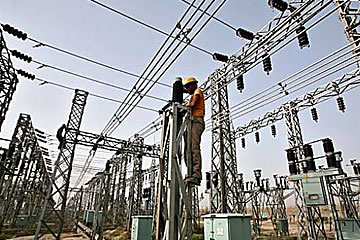
Power Sector Liquidity: FG Commits N702 Billion To Nbet To Meet Payment Obligations * Says it is part of its Economic Growth and Recovery Plan to take the nation out of recession * It is in recognition of the critical role that energy and access to electricity play in economic growth and poverty reduction – FG * Subsequent interventions to strengthen financial transparency and discipline, attain and sustain generation, transmission and distribution above 4,000 MWh/h, among others As a first step towards solving the debilitating liquidity problem in the Power Sector, the Federal Government is committing up to N702 Billion to the Nigerian Bulk Electricity Trading (NBET) to enable it meet its payment obligations to Generation Companies (GenCos) on a more regular basis to ensure delivery of electricity across the country The commitment under the “Payment Guarantee Support to NBET”, scheme takes retrospective effect from January, 2017 and would enable the government-owned NBET to pay its obligations to the GenCos and through them to their gas and equipment suppliers, banks and other partners. According to a Communiqué issued Friday by the Ministry of Power, Works and Housing, the Federal Government intervention, which represents a critical element of its Economic Growth and Recovery Plan, is part of the far-reaching steps taken by the Federal Executive Council (FEC) on Wednesday, March 1, 2017, to reset the electricity industry in view of “the critical role that energy and access to electricity play in economic growth and poverty reduction”. It is also to provide payment assurance to electricity generation companies, improve financial liquidity in the power and banking sectors and ensure the provision of electricity to households and businesses to boost economic growth, job and wealth creation, the Communiqué said. Recalling that the Commissioners of the Nigerian Electricity Regulatory Commission (NERC) was recently inaugurated to provide government with “the requisite legal and regulatory framework to implement its credible recovery programme,” the Communiqué said the steps, “conceived within a sequence of sector reforms”, represented Government’s commitment to enforcing decisions taken as a nation to move from a wholly Government-owned to private sector led electricity industry. “These steps, conceived within a sequence of sector reforms, confirm Government’s commitment to enforcing decisions taken as a nation to move from a vertically integrated Government owned statutory monopoly that did not serve our power needs, to a private sector led industry-with Government as guarantor, regulator and policy maker–that achieves the objective of developing a better and sustainable power sector as quickly as possible”, the Communiqué said. Assuring that Government, in collaboration with NERC, would continue to work with the DisCos to improve their payment performance from the current 24.9 per cent level, with the 100 per cent target, the Communiqué said subsequent complementary interventions would seek to strengthen financial transparency and discipline to ensure that all industry revenues were fairly distributed to all market participants and their suppliers according to contractual commitments. Subsequent interventions, the Communiqué also said, would seek to achieve and exceed the contracted and committed ATC&C loss targets and sustain aggregate collection efficiency above 60 per cent as well as secure adequate capitalization and liquidity to ensure that all market participants, particularly those upstream of the DisCos, were paid according to contracts and were adequately funded to sustain and expand their operations. Other objectives subsequent Government interventions would seek to achieve include attaining and sustaining generation, transmission and distribution above 4,000 MWh/h delivered to customers, from lowest cost base load GenCos by deploying and/or facilitating new generation using all available energy sources. Government will also seek to recover lost gas supply, add new gas supply, and complete transmission projects curtailing generation particularly in the eastern part of the national grid, the Communiqué said adding that through wider consultation, government would implement a simplified tariff methodology that would accurately reflect market realities, exchange rate realities, and the cost of producing and delivering electricity. Acknowledging, however, that the plans alone would not solve all the problems of the Power Sector, the Communiqué said they were, however, conceived “within a package of measures” to ensure that the electricity system continued on a steady trajectory of growth, better service delivery and a climate where investors who played by the rules set by NERC and deliver results that benefit the consuming public were compensated appropriately. It recalled that NERC licensed eleven distribution companies (DisCos) to distribute and sell electricity with the Private Sector owning 60 per cent while Government retained 40 per cent shares of the companies adding that Government also established NBET, 100 owned by it, to buy electricity in bulk from electricity generating companies (GenCos) licensed to produce electricity. “The intention was that while the DisCos take the time necessary to improve and expand their networks of substations and lines, enumerate and meter their customers, buy additional power directly from GenCos and provide better customer services, the existing and new GenCos could confidently make investments to expand generation with assurance that the bulk buyer would pay them for the electricity they deliver”, it further explained adding that Government retained ownership, for the time being, of the transmission system used to transmit the electricity from the GenCos to the DisCos. It said, however that the DisCos have not improved customer services at the pace Government and the country would expect and also were not paying fully for the electricity they received from the GenCos through NBET adding, however, that some of the reasons for the failure were not the fault of the DisCos alone. According to the Communiqué, “Regulatory and tariff inconsistencies of the past administration, unexpected changes in the foreign exchange market, and lower than expected generation due largely to pipeline vandalization for example, have challenged the DisCos’ ability to perform. But much of the failure relates to their inadequate financial and technical capacity and some sharp practices of the DisCos in their administration of collections from customers”. Explaining the reason for government intervention, the Communiqué said as a result of the aforementioned inadequacies, NBET’s monthly collection from the DisCos was not enough to pay NBET's contractual obligation to the GenCos resulting to huge government debts adding that in recent months the payment by the DisCos to NBET was as low as 17.0 per cent of NBET's invoice. “In January 2017, it was 24.9 per cent. The GenCos in turn do not pay their gas suppliers, equipment suppliers, banks and other partners what they are contractually bound to pay. The DisCos also do not pay TCN what is contractually due to it for transmitting the energy the DisCos sell to consumers”, it said adding that these had resulted in payment shortfalls with the accumulated debts increasingly threatening the electricity supply system and undermining the growth of the economy and the electricity sector. The Communiqué read in part, “In recognition of the critical role that energy and access to electricity plays in economic growth and poverty reduction, the Federal Government of Nigeria (FGN) as part of its Economic Growth and Recovery Plan, at its Federal Executive Council meeting of 1st March 2017 has taken far-reaching steps to reset the electricity industry”. “These steps, conceived within a sequence of sector reforms, confirm Government’s commitment to enforcing decisions taken as a nation to move from a vertically integrated Government owned statutory monopoly that did not serve our power needs, to a private sector led industry –with Government as guarantor, regulator and policy maker–that achieves the objective of developing a better and sustainable power sector as quickly as possible” ...
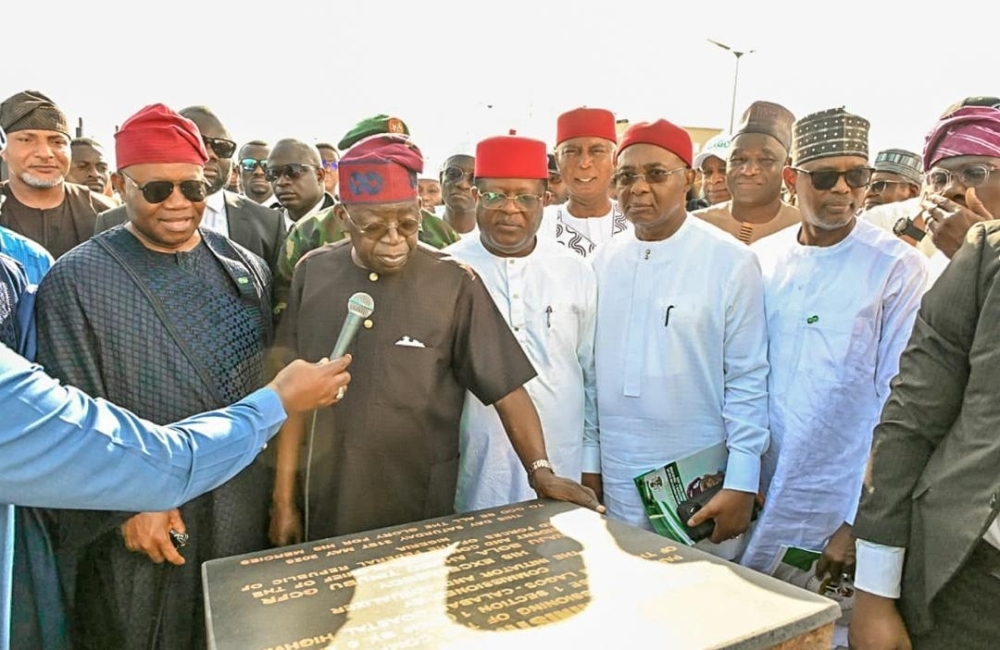
DRIVING NIGERIA’S FUTURE: CELEBRATING TWO YEARS OF TRANSFORMATIVE LEADERSHIP AND THE LAGOS-CALABAR COASTAL HIGHWAY MILESTONE
DRIVING NIGERIA’S FUTURE: CELEBRATING TWO YEARS OF TRANSFORMATIVE LEADERSHIP AND THE LAGOS-CALABAR COASTAL HIGHWAY MILESTONE
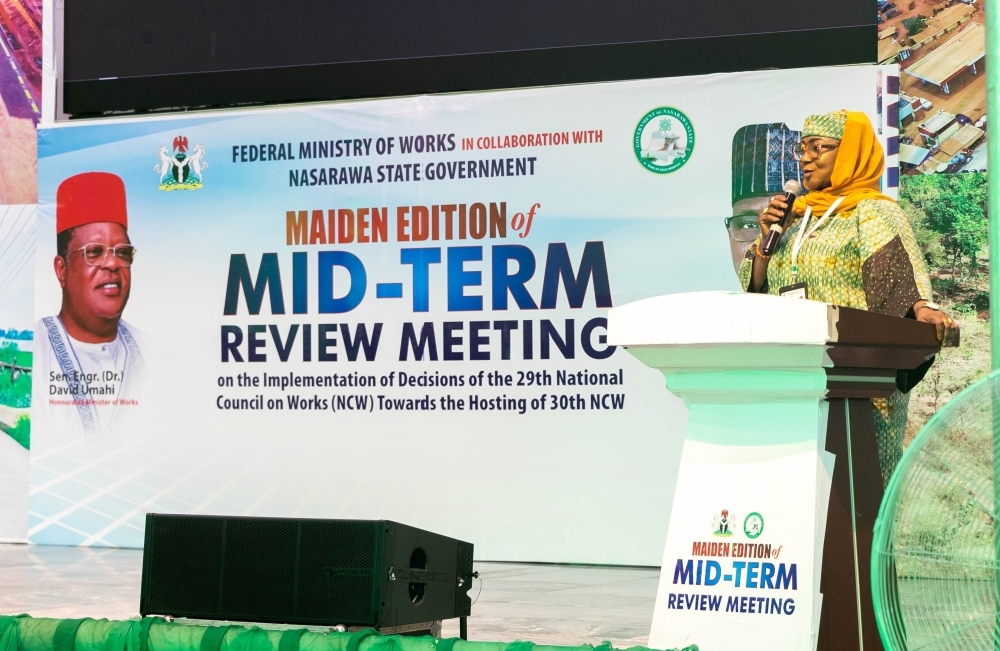
MID -TERM REVIEW MEETING ON THE IMPLIMENTATION OF THE DECISIONS REACHED AT THE 29TH NATIONAL COUNCIL ON WORKS (NCW) DAY 1
MID -TERM REVIEW MEETING ON THE IMPLIMENTATION OF THE DECISIONS REACHED AT THE 29TH NATIONAL COUNCIL ON WORKS (NCW) DAY 1