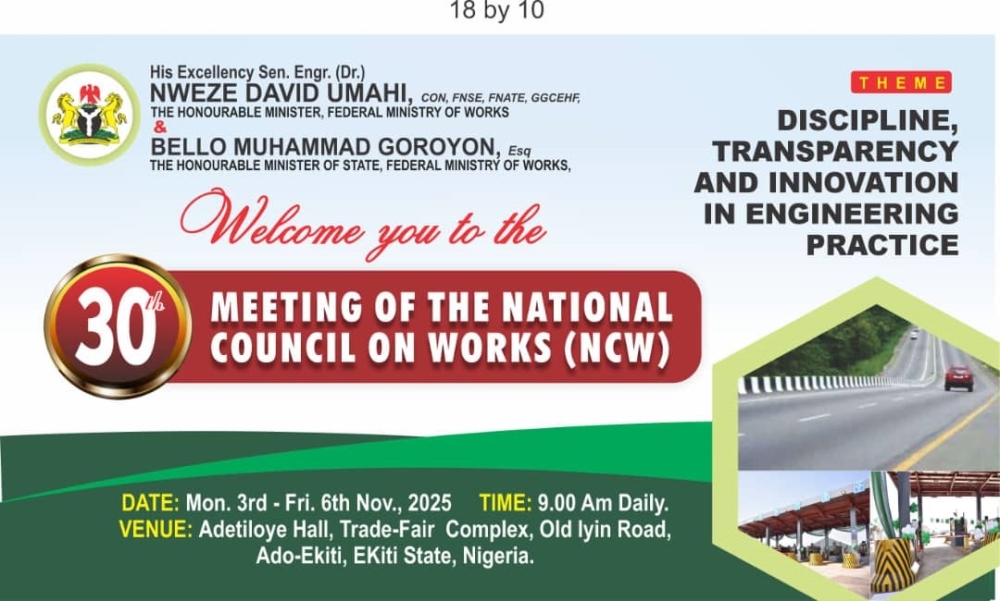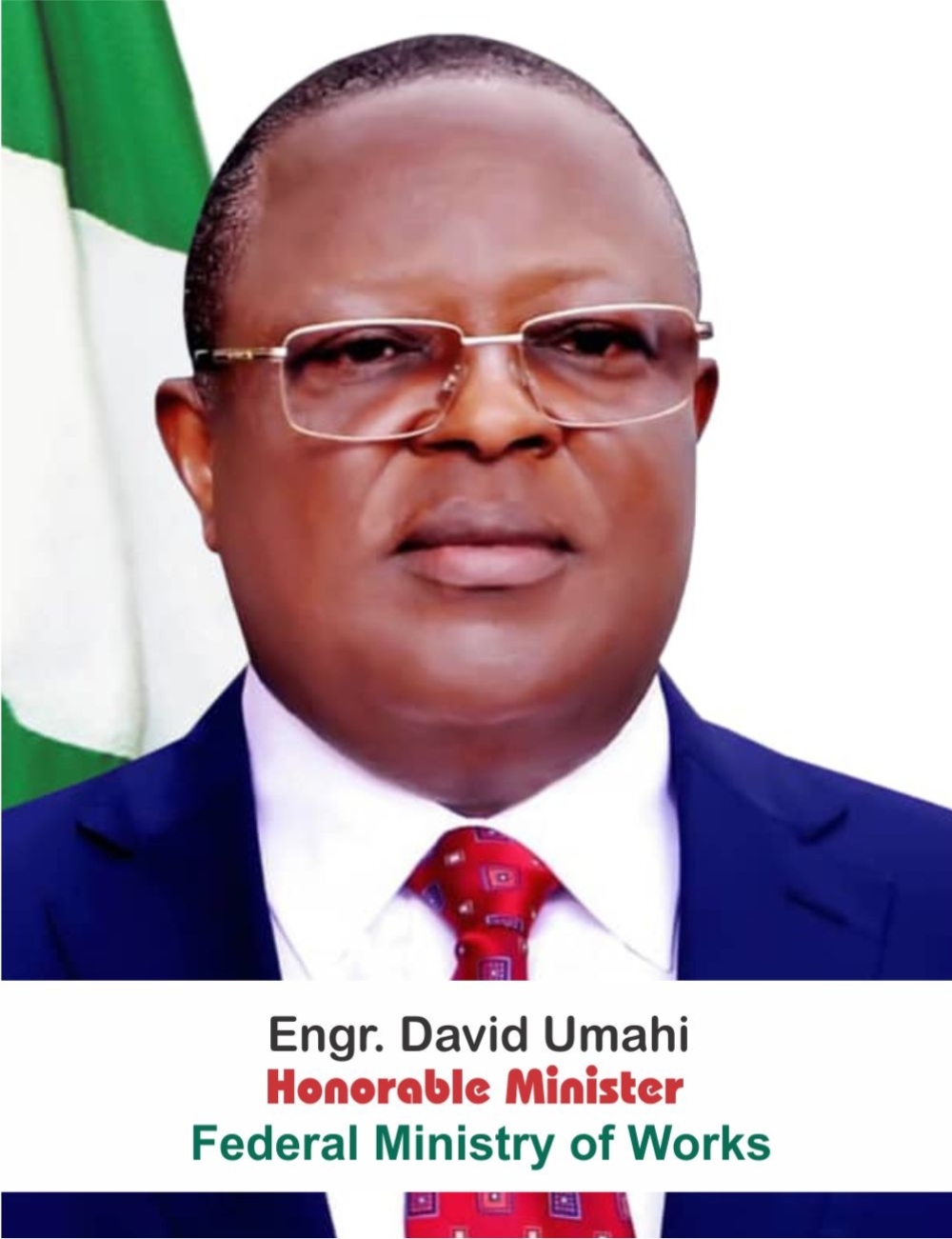
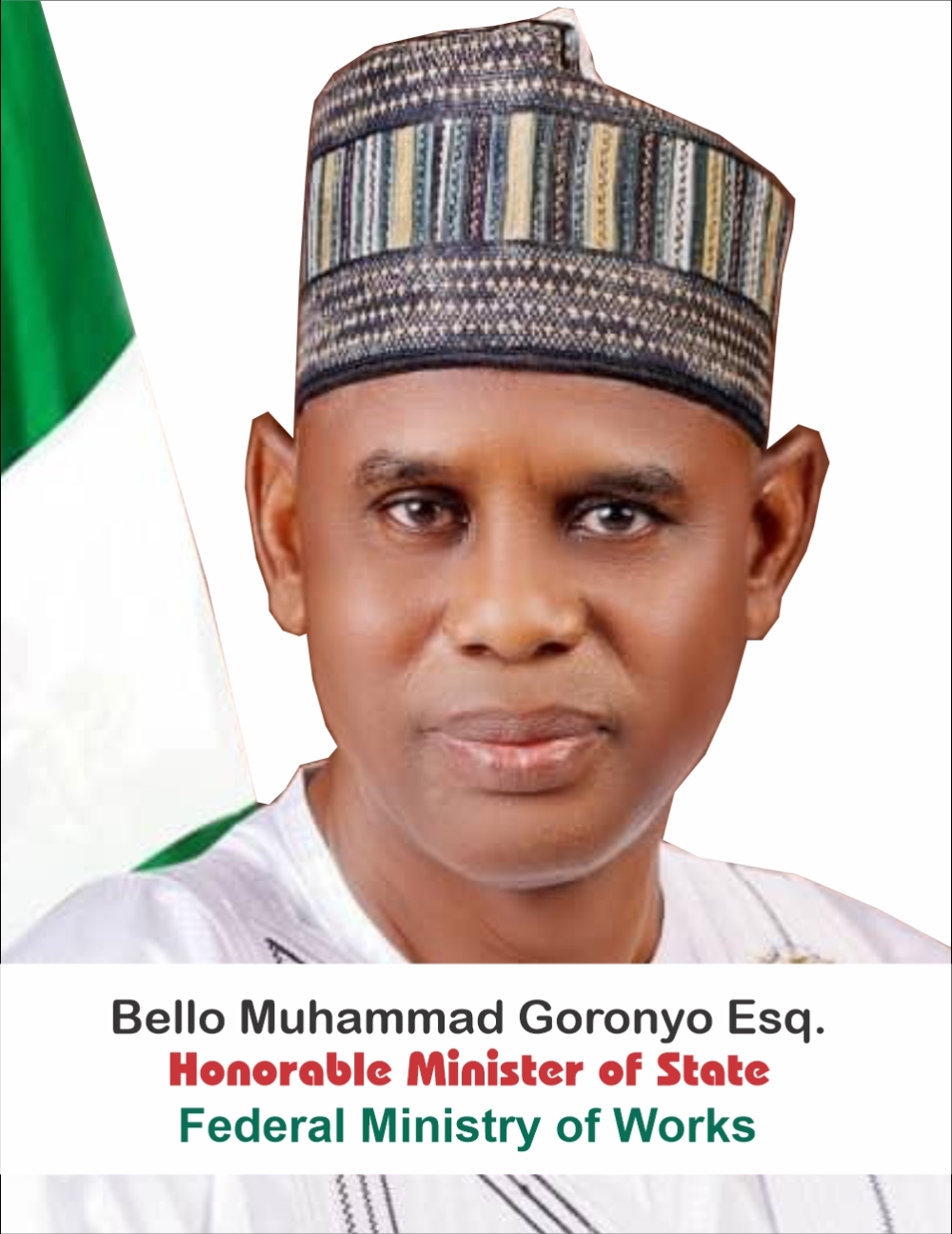
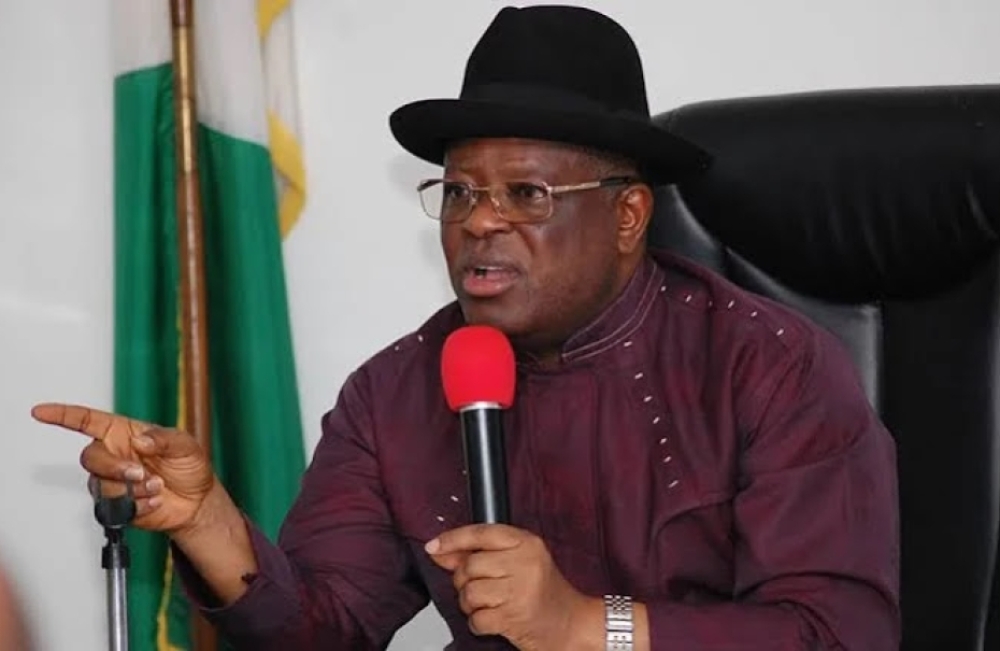
UMAHI ORDERS IMMEDIATE EMERGENCY INTERVENTION ON BENIN-ASABA ROAD, AND SOME OTHER CRITICAL FEDERAL ROADS
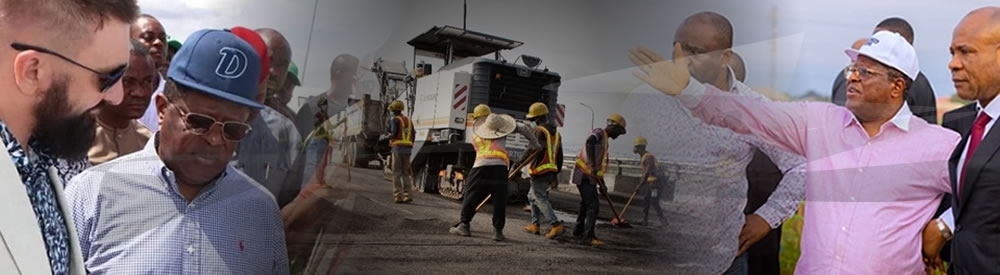
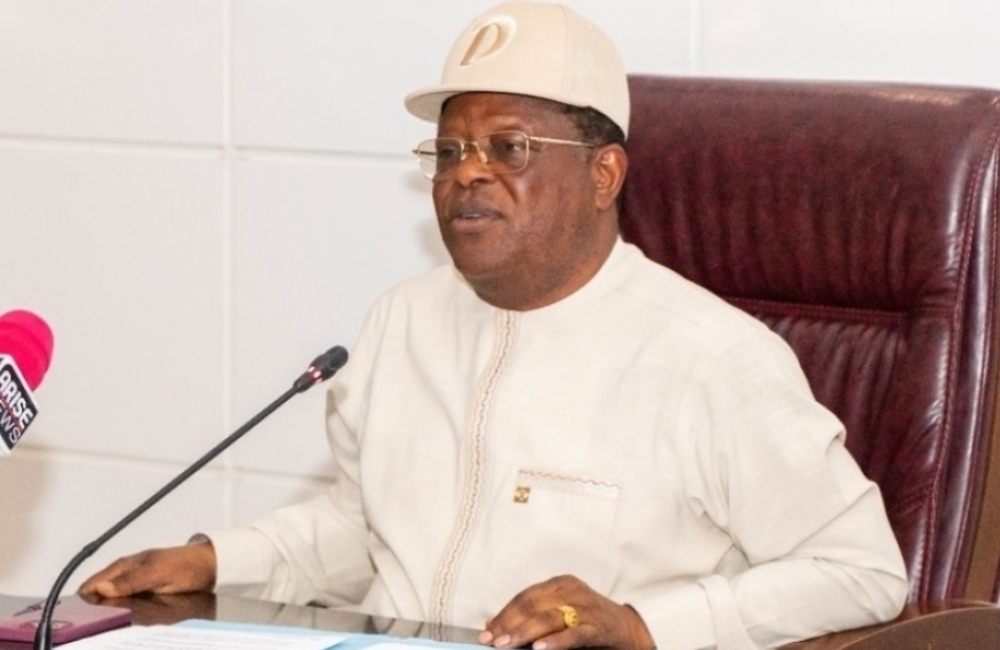
The Honourable Minister of Works, Senator Engr. David Nweze Umahi, CON, has directed the immediate deployment of major contractors to all three sections of the Benin-Asaba Federal Road to restore the failed sections and bring an end to the suffering of motorists and other road users.
This is because, the situation on the concessioned Benin-Asaba Road has reached a point where the overall public interest must take precedence over the existing concession agreement.
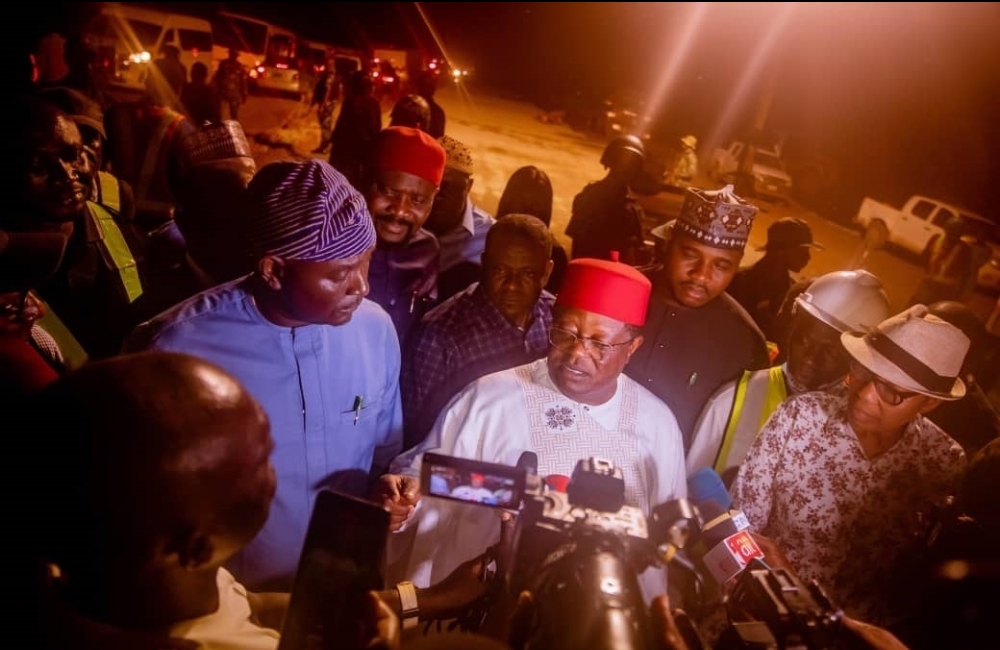
Recall that the Honourable Minister of Works was on the Benin-Asaba Road about seven days ago, where he assembled a number of contractors and directed them to prepare for immediate palliative intervention on the affected sections of the road at no cost to the concessionaire. In line with the Concession agreement which requires that before the Federal Government could intervene, the permission of the concessionaire must be required, and that permission was not granted to federal government.
The Minister subsequently proposed three options to the concessionaire, any one of which would have enabled the Federal Government to move in and address the worsening condition of the road. Unfortunately, none of the options was accepted by the concessionaire. Immediately after the Minister left Asaba, the already limited equipment deployed to the road by the concessionaire was further reduced to just one, worsening the situation and increasing the suffering of motorists and other road users.
While the Minister takes responsibility for the concerns and suffering of Nigerians using the road, it is important to state that the concessionaire has also not taken the suffering of Edo people and travelling public sufficiently into consideration by declining all the options put forward by the Federal Government. The concessionaire continues to rely on the terms of the concession agreement entered into by the previous administration, an agreement which weighs heavily against the Federal Government’s ability to intervene quickly in the interest of the public in a situation like this.
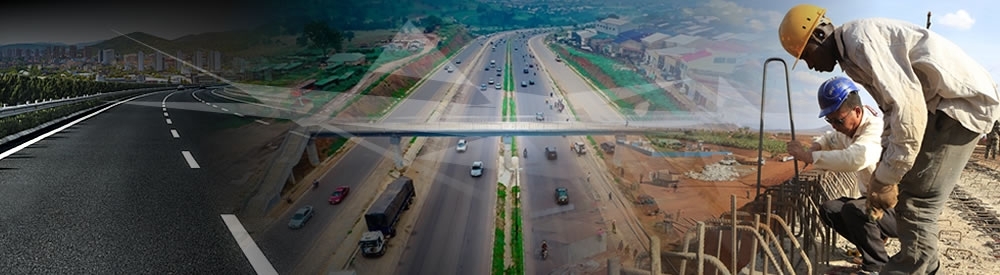
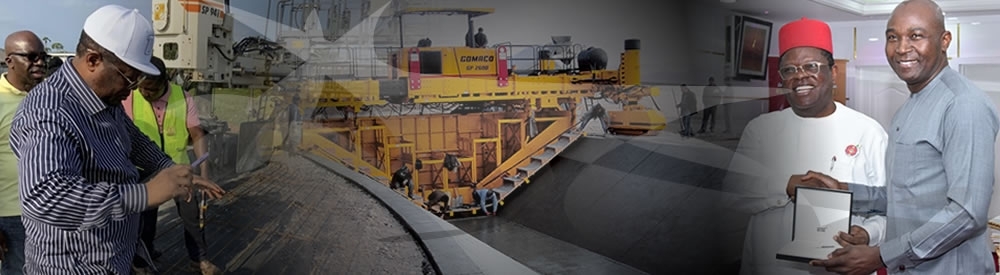
In view of this situation, the Honourable Minister of Works has directed the immediate deployment of major contractors within the corridor to all three sections of the Benin-Asaba Road to restore the failed sections and bring relief to the people, with the cost of the emergency intervention being borne by the Federal Government. The Honourable Minister has also directed immediate redesign of the entire route to be rebuilt with reinforced concrete pavement. The public should therefore take note that immediate action is underway to restore every failed section of the Benin-Asaba Road and subsequently rehabilitate the entire sections of the road using reinforced concrete pavement.
2. On the Benin-Sapele Road:
The Governors of Edo and Delta States, the Niger Delta Development Commission (NDDC), and the Federal Government are currently engaged in interventions on different sections of the road to restore the entire route. While some sections are receiving palliative attention, permanent works are also ongoing on other sections.
3. On Ifaki(Ekiti) - Kabba (Kogi) Road:
The Federal Government is engaging both the contractor; Gamji Nigeria Company Limited, and Dangote PLC on immediate emergency and permanent intervention on the most failed sections of the road, while efforts are being made to financially mobilise the company for more extensive permanent work to commence on the axis.
4. On the Sokoto-Zamfara-Katsina Road: This is an inherited project involving the dualisation of approximately 350 kilometres, which translates to about 700 kilometers. The project has since been redesigned and is currently ongoing and most sections are being reconstructed using reinforced concrete pavement. From the Sokoto axis towards Zamfara, over 50 kilometres of one carriageway have been fully completed with reinforced concrete pavement. From Zamfara to Katsina, some sections have been completed and palliative works have been ordered over the sections that have not been reconstructed. However, the pace of work slowed down due to the redesign and rephasing of the project. The contractors currently engaged on the road include CBC, SETRACO, Triacta and Mothercat. They are being remobilised to return to site and complete the outstanding works.
5. On the Abuja-Kaduna-Zaria-Kano Road: The Federal Government took over the Road project and has currently completed the 118-kilometer mostly on reinforced concrete pavement on lot 1. The Lot 2, which covers 164 kilometres, is over 60 percent completed on reinforced concrete pavement. The Federal Government has also introduced solar-powered light on the entire route of Abuja-Kaduna-Zaria - Kano to improve visibility during night travel and enhance the overall security situation on the route. The entire project is scheduled for completion by December 2026.
6. On Bauchi-Jigawa Road: Triacta Nigeria Limited has been mobilised to carry out the necessary interventions on some failed sections and work is currently ongoing in those failed sections.
7. On the Sagamu-Ore Road: 48 Kilometers of the 96-kilometre road have already been completed using reinforced concrete pavement. There is also a 24-kilometre section around Ore which was abandoned by the previous contractor. The Federal Government has directed its immediate restoration to ensure seamless travel. Solar lights are being installed in the entire 96kilometer of the road.
8. On Flooded Sections on Sagamu-Ore-Benin Road: The flooded sections on the same corridor between Sagamu-Ore-Benin Road, as well as other flooded sections in Ondo State, are being designed for emergency procurement and intervention.
9. On the East-West Road:
Some failed and critical sections, including defective sections of bridges along the East-West Road, are being marked out for emergency procurement and intervention.
10. On the Abuja-Lokoja Road:
Several contracts are ongoing along the route, while the three critical sections currently without contracts are being procured for emergency intervention.
11. On the Lokoja-Benin-Warri Road: The President has directed a complete redesign and procurement of the 400-kilometre dualised route covering the uncompleted sections, using reinforced concrete pavement, while palliative works will continue with the contractors currently on the road.
12. On Carter Bridge:
While the Federal Government continues to undertake weekly maintenance of the underwater elements of the bridge. The site has also been handed over to the contractor, CCECC, for the construction of a permanent new bridge, and work has commenced.
13. On the Third Mainland Bridge:
With regard to the defective underwater structural elements, the Federal Government is at the final stage of determining the appropriate intervention for the repair of the affected elements.
14. On the flooded section of the Lagos-Ibadan Road: Work has commenced on the affected section. There are also several flooded sections on federal roads across the six geopolitical zones, largely occasioned by excessive flooding and the effects of climate change. The Federal Government is identifying and marking these sections for immediate attention.
15. On the First and Second Niger Bridges:
Intervention work is ongoing on the approach roads to the Second Niger Bridge damaged by flood and the work is progressing very well. The First Niger Bridge has been closed to traffic to enable immediate repair works. Contractor has mobilized to site and comprehensive rehabilitation of the bridge has started. From Summit Junction to the First Niger Bridge, massive rehabilitation work is also ongoing using reinforced concrete pavement.
16. The Honourable Minister wishes to commend the President of the Federal Republic of Nigeria, His Excellency Bola Ahmed Tinubu, GCFR, for the massive work being undertaken on the nation’s roads since the administration assumed office in 2023.
17. It is important to state that when the present administration came into office, there was hardly any part of the country where one could travel for an hour without encountering significant challenges on the road network. The condition of the country’s roads and bridges was a major national infrastructure challenge.
18. Rather than shy away from the problem, the administration of President Bola Ahmed Tinubu made the nation’s road network a priority. Virtually every part of the country became a priority, and the Federal Government, through the Federal Ministry of Works, Regional Commissions, Parastatals and other MDA’s has continued to respond extensively to these challenges.
19. The Federal Government is currently working on over 80 percent of the inherited federal roads, an unprecedented level of intervention in the country’s road infrastructure.
20. We ask the public to understand the enormous challenges inherited on our roads and bridges and to take note not only of the problems being solved, but also of the permanent solutions being introduced.
21. A major part of this new approach is the use of reinforced concrete pavement, designed to significantly extend the lifespan of major roads. These roads are expected to last between 50 and 100 years. This means that roads being constructed under President Bola Ahmed Tinubu’s administration are being designed with future generations in mind, rather than simply providing temporary solutions to today’s problems. And this is a complete departure from the past, when roads often deteriorated only a few years after completion, resulting in a continuous cycle of reconstruction and expenditure.
22. We appreciate the concerns of Nigerians over the condition of some roads presently and the difficulties faced by motorists and commuters who cannot move easily from one point to another. Those concerns are legitimate, and the Federal Government is listening. But Nigerians should also recognise the enormous scale of the problems inherited and the amount of work currently being undertaken across the country.
23. It is simply impossible to resolve every road challenge accumulated over many years of neglect by the past administrations within three years. What is important is that the government is working, the government is responding, and the government is putting permanent solutions in place.
25. We appreciate members of the public who send situation reports on failed roads and other infrastructure challenges. These reports help the Ministry identify areas requiring urgent attention. However, we also appeal to members of the public to report when such problems have been addressed, just as they report when they occur.
24. We are aware of situations where photographs and reports of road challenges continue to circulate on social media even after the Federal Government has intervened and resolved the particular problem.
25. However, the Ministry will continue to respond as rapidly as possible to genuine reports and concerns from Nigerians.
26. It is also important to note that we have compiled a comprehensive record of all inherited, ongoing and intervention projects across the country which is available to the public. This is to ensure that Nigerians have access to information on the infrastructure projects being undertaken nationwide and can fully participate in and appreciate the infrastructure revolution of President Bola Ahmed Tinubu’s administration.

UMAHI ORDERS IMMEDIATE EMERGENCY INTERVENTION ON BENIN-ASABA ROAD, AND SOME OTHER CRITICAL FEDERAL ROADS The Honourable Minister of Works, Senator Engr. David Nweze Umahi, CON, has directed the immediate deployment of major contractors to all three sections of the Benin-Asaba Federal Road to restore the failed sections and bring an end to the suffering of motorists and other road users. This is because, the situation on the concessioned Benin-Asaba Road has reached a point where the overall public interest must take precedence over the existing concession agreement. Recall that the Honourable Minister of Works was on the Benin-Asaba Road about seven days ago, where he assembled a number of contractors and directed them to prepare for immediate palliative intervention on the affected sections of the road at no cost to the concessionaire. In line with the Concession agreement which requires that before the Federal Government could intervene, the permission of the concessionaire must be required, and that permission was not granted to federal government. The Minister subsequently proposed three options to the concessionaire, any one of which would have enabled the Federal Government to move in and address the worsening condition of the road. Unfortunately, none of the options was accepted by the concessionaire. Immediately after the Minister left Asaba, the already limited equipment deployed to the road by the concessionaire was further reduced to just one, worsening the situation and increasing the suffering of motorists and other road users. While the Minister takes responsibility for the concerns and suffering of Nigerians using the road, it is important to state that the concessionaire has also not taken the suffering of Edo people and travelling public sufficiently into consideration by declining all the options put forward by the Federal Government. The concessionaire continues to rely on the terms of the concession agreement entered into by the previous administration, an agreement which weighs heavily against the Federal Government’s ability to intervene quickly in the interest of the public in a situation like this. In view of this situation, the Honourable Minister of Works has directed the immediate deployment of major contractors within the corridor to all three sections of the Benin-Asaba Road to restore the failed sections and bring relief to the people, with the cost of the emergency intervention being borne by the Federal Government. The Honourable Minister has also directed immediate redesign of the entire route to be rebuilt with reinforced concrete pavement. The public should therefore take note that immediate action is underway to restore every failed section of the Benin-Asaba Road and subsequently rehabilitate the entire sections of the road using reinforced concrete pavement. 2. On the Benin-Sapele Road: 3. On Ifaki(Ekiti) - Kabba (Kogi) Road: 4. On the Sokoto-Zamfara-Katsina Road: This is an inherited project involving the dualisation of approximately 350 kilometres, which translates to about 700 kilometers. The project has since been redesigned and is currently ongoing and most sections are being reconstructed using reinforced concrete pavement. From the Sokoto axis towards Zamfara, over 50 kilometres of one carriageway have been fully completed with reinforced concrete pavement. From Zamfara to Katsina, some sections have been completed and palliative works have been ordered over the sections that have not been reconstructed. However, the pace of work slowed down due to the redesign and rephasing of the project. The contractors currently engaged on the road include CBC, SETRACO, Triacta and Mothercat. They are being remobilised to return to site and complete the outstanding works. 5. On the Abuja-Kaduna-Zaria-Kano Road: The Federal Government took over the Road project and has currently completed the 118-kilometer mostly on reinforced concrete pavement on lot 1. The Lot 2, which covers 164 kilometres, is over 60 percent completed on reinforced concrete pavement. The Federal Government has also introduced solar-powered light on the entire route of Abuja-Kaduna-Zaria - Kano to improve visibility during night travel and enhance the overall security situation on the route. The entire project is scheduled for completion by December 2026. 6. On Bauchi-Jigawa Road: Triacta Nigeria Limited has been mobilised to carry out the necessary interventions on some failed sections and work is currently ongoing in those failed sections. 7. On the Sagamu-Ore Road: 48 Kilometers of the 96-kilometre road have already been completed using reinforced concrete pavement. There is also a 24-kilometre section around Ore which was abandoned by the previous contractor. The Federal Government has directed its immediate restoration to ensure seamless travel. Solar lights are being installed in the entire 96kilometer of the road. 8. On Flooded Sections on Sagamu-Ore-Benin Road: The flooded sections on the same corridor between Sagamu-Ore-Benin Road, as well as other flooded sections in Ondo State, are being designed for emergency procurement and intervention. 9. On the East-West Road: 10. On the Abuja-Lokoja Road: 11. On the Lokoja-Benin-Warri Road: The President has directed a complete redesign and procurement of the 400-kilometre dualised route covering the uncompleted sections, using reinforced concrete pavement, while palliative works will continue with the contractors currently on the road. 12. On Carter Bridge: 13. On the Third Mainland Bridge: 14. On the flooded section of the Lagos-Ibadan Road: Work has commenced on the affected section. There are also several flooded sections on federal roads across the six geopolitical zones, largely occasioned by excessive flooding and the effects of climate change. The Federal Government is identifying and marking these sections for immediate attention. 15. On the First and Second Niger Bridges: 16. The Honourable Minister wishes to commend the President of the Federal Republic of Nigeria, His Excellency Bola Ahmed Tinubu, GCFR, for the massive work being undertaken on the nation’s roads since the administration assumed office in 2023. 17. It is important to state that when the present administration came into office, there was hardly any part of the country where one could travel for an hour without encountering significant challenges on the road network. The condition of the country’s roads and bridges was a major national infrastructure challenge. 18. Rather than shy away from the problem, the administration of President Bola Ahmed Tinubu made the nation’s road network a priority. Virtually every part of the country became a priority, and the Federal Government, through the Federal Ministry of Works, Regional Commissions, Parastatals and other MDA’s has continued to respond extensively to these challenges. 19. The Federal Government is currently working on over 80 percent of the inherited federal roads, an unprecedented level of intervention in the country’s road infrastructure. 20. We ask the public to understand the enormous challenges inherited on our roads and bridges and to take note not only of the problems being solved, but also of the permanent solutions being introduced. 21. A major part of this new approach is the use of reinforced concrete pavement, designed to significantly extend the lifespan of major roads. These roads are expected to last between 50 and 100 years. This means that roads being constructed under President Bola Ahmed Tinubu’s administration are being designed with future generations in mind, rather than simply providing temporary solutions to today’s problems. And this is a complete departure from the past, when roads often deteriorated only a few years after completion, resulting in a continuous cycle of reconstruction and expenditure. 22. We appreciate the concerns of Nigerians over the condition of some roads presently and the difficulties faced by motorists and commuters who cannot move easily from one point to another. Those concerns are legitimate, and the Federal Government is listening. But Nigerians should also recognise the enormous scale of the problems inherited and the amount of work currently being undertaken across the country. 23. It is simply impossible to resolve every road challenge accumulated over many years of neglect by the past administrations within three years. What is important is that the government is working, the government is responding, and the government is putting permanent solutions in place. 25. We appreciate members of the public who send situation reports on failed roads and other infrastructure challenges. These reports help the Ministry identify areas requiring urgent attention. However, we also appeal to members of the public to report when such problems have been addressed, just as they report when they occur. 24. We are aware of situations where photographs and reports of road challenges continue to circulate on social media even after the Federal Government has intervened and resolved the particular problem.
The Governors of Edo and Delta States, the Niger Delta Development Commission (NDDC), and the Federal Government are currently engaged in interventions on different sections of the road to restore the entire route. While some sections are receiving palliative attention, permanent works are also ongoing on other sections.
The Federal Government is engaging both the contractor; Gamji Nigeria Company Limited, and Dangote PLC on immediate emergency and permanent intervention on the most failed sections of the road, while efforts are being made to financially mobilise the company for more extensive permanent work to commence on the axis.
Some failed and critical sections, including defective sections of bridges along the East-West Road, are being marked out for emergency procurement and intervention.
Several contracts are ongoing along the route, while the three critical sections currently without contracts are being procured for emergency intervention.
While the Federal Government continues to undertake weekly maintenance of the underwater elements of the bridge. The site has also been handed over to the contractor, CCECC, for the construction of a permanent new bridge, and work has commenced.
With regard to the defective underwater structural elements, the Federal Government is at the final stage of determining the appropriate intervention for the repair of the affected elements.
Intervention work is ongoing on the approach roads to the Second Niger Bridge damaged by flood and the work is progressing very well. The First Niger Bridge has been closed to traffic to enable immediate repair works. Contractor has mobilized to site and comprehensive rehabilitation of the bridge has started. From Summit Junction to the First Niger Bridge, massive rehabilitation work is also ongoing using reinforced concrete pavement.
25. However, the Ministry will continue to respond as rapidly as possible to genuine reports and concerns from Nigerians.
26. It is also important to note that we have compiled a comprehensive record of all inherited, ongoing and intervention projects across the country which is available to the public. This is to ensure that Nigerians have access to information on the infrastructure projects being undertaken nationwide and can fully participate in and appreciate the infrastructure revolution of President Bola Ahmed Tinubu’s administration.
Sokoto-Kebbi Superhighway: Leaders Applaud President Tinubu's Bold Initiative The Minister of Works, Engr. Nweze David Umahi; together with major stakeholders have applauded President Bola Ahmed Tinubu's government for heeding to the cry of millions of Nigerians to resuscitate the 48-year-old Superhighway project. They expressed their appreciation at the stakeholders' meeting held in Birnin-kebbi on the alignment for sections 1 & 2 of the superhighway, covering 120 KM in Sokoto and 258 KM in Kebbi, totaling 378 KM, and ending in Badagry, Lagos State. In his opening remarks, the Honourable Minister disclosed that the superhighway will begin from Illela in Sokoto (120 KM) through Argungu, Bunza, and Kamba, ending at Bida town in Niger State for the first and second phases. Umahi explained that President Bola Ahmed Tinubu would officially kick off the project in Kebbi State, benefiting the people of the state, especially in agriculture, commerce, and boosting security. He stated, "I request the people of Kebbi State and Sokoto State to support this project. Wherever there is a need to compensate the people, we will sit down with you and work it out with the local communities." The Minister noted that the route of the superhighway was the oldest Trans-Sahara trade route, initiated over 48 years ago but not implemented until President Bola Ahmed Tinubu's administration. He emphasized that the federal government would start using concrete for road construction in the Northern region to ensure longevity for up to 100 years. Umahi also highlighted that the federal government had completed many road projects in Sokoto State and promised that all road projects in Kebbi State, particularly the Koko-Mahuta-Dabai and Malando-Wara roads, would be addressed. He added that President Bola Ahmed Tinubu should be commended for implementing the 48-year-old project, which would benefit not only Nigerians but also neighboring countries like Niger Republic, Bénin, and others. In his remarks, the Minister of Budget and Economic Planning, Senator Abubakar Atiku Bagudu, described the project as very important. He noted that President Bola Ahmed Tinubu had asked cabinet members to source funds for executing the project despite global economic challenges. Bagudu stated that the vision of the President was to address the reality on ground and secure necessary funding for the benefit of Nigerians and future generations. He said, "That is why President Bola Ahmed Tinubu directed us to go and source the funds to6 execute our projects. Nigeria is the most vibrant economy with a lot of potential capacity. This project is just the tip of the iceberg. Nigerians should expect many more of such projects." He added that due to the courage and determination of the current administration, world leaders have acknowledged Nigeria's boldness and readiness to assist in areas of need. Kebbi State Governor, Dr. Nasir Idris, commended President Bola Ahmed Tinubu for implementing the project and kicking it off in Kebbi State. Idris sought the state's input on the route passages, noting that the government wanted the project execution to be fair and just to the communities directly benefiting from it. "We need to give our inputs before the conclusion of the project so that we can do justice to our people. We are taking a lion's share of the project, and we have to be just and fair to our people since the project will have direct benefits for them," he said. The Governor also sought the Minister's intervention on the Koko-Mahuta-Dabai and Malando-Wara roads, stressing that the people of these areas, including four LGAs, are suffering due to bad roads. Senator Adamu Aliero, representing Kebbi Central Senatorial District, expressed his full support for the project and urged the Minister to address the Koko-Mahuta-Dabai and Malando-Wara roads. The Chairman of the Senate Committee on Works, Senator Barinade Npigi, commended President Bola Ahmed Tinubu for implementing the project, noting that it had been initiated over 48 years ago. He assured that the Senate would continue to support the Presidency in executing meaningful projects for Nigerians. Hon. Hakeem Alabi, stated that the House of Representatives would also provide legislative support to ensure appropriate budget allocation for the President's projects. Traditional rulers, including the Emir of Argungu Alhaji Samaila Muhammad Mera, pledged support and cautioned against potential flooding during construction. Former Governor Alhaji Saidu Nasamu Dakingari commended President Tinubu for liberating a vast forest area. Abdullahi Ameen Mohammed For: Ag Director Press and Public Relations ...
Super-Highway construction: Works Minister call on Investors to leverage on its Economic Potentials The Minister of Works, Sen. (Engr) David Umahi has called on Investors and political stakeholders to leverage on the infrastructural development drive of the Renewed Hope Agenda of President Ahmed Tinubu to boost economic activities in the country. Senator Umahi made the call at the Stakeholders engagement meeting on the alignment of Niger (125klm), Kwara (188klm) which is (313klm) out of 1000klm Super-Highway in Ilorin on 4th July 2024. The Minister further calls on the stakeholders to stand on the mandate of President Bola Ahmed Tinubu to ensure that one of the legacy projects which include the alignment of Sokoto to Badagry Super-Highway is achieved. In his remarks, the Governor of Kwara State, Mallam Abdulahmam Abdulrasaq, who was represented by Kayode Alabi thanked Mr. President and the Minister of Works for this Renewed Hope Legacy Infrastructure Project which connects Kwara to Sokoto 1000km Super-Highway project's which will boost Nigeria's Economic prosperity. Also speaking, the Niger State Governor, Mohamed Umaru Bago states that Nigeria needs a value chain in Agriculture and Road Infrastructure, He called on all the Stakeholders to join hands to move the Renewed Hope Agenda of Mr. President. Bago said in Niger State no compensation will be paid for Road Infrastructure, because the road is for the development of the State. ...
FG TERMINATES CONTRACTS WITH MOTHERCAT, DANTATA & SAWOE AND RCC COMPANIES FOR NON-PERFOMANCE ON THE DUALIZATION OF OBAJANA-BENIN ROAD; SECTIONS II, III AND IV, WARNS THAT GOING FORWARD, ALL FUNDED BUT NON-PERFORMING CONTRACTS SHALL BE TERMINATED The Federal Ministry of Works has terminated contract numbers 6136, 6137 and 6138 with Mothercat Ltd, Dantata & Sawoe Construction Ltd and RCC Ltd respectively. The projects affected by this termination are the dualization of Obajana - Benin road, section II (Okene - Auchi) in Kogi/Edo State; the dualization of Obajana - Benin road, section III (Auchi - Ehor) in Edo State and the dualization of Obajana - Benin road section IV (Ehor - Benin) in Edo State. The termination of the said contracts became necessary in view of the inordinate delay of the affected companies in job performance and their failure, neglect and or refusal to fulfil their contractual obligations as required by the Standard Conditions of Contract and this has affected the timely completion of the projects and thus resulted in the expiration of the contracts by effluxion of time. The projects which were awarded on 3rd December 2012 were advertently abandoned by the contractors and no genuine commitment or good faith was shown towards executing the projects after accepting the considerations offered by the Federal Government and thereby exposing the road users to untold hardship due to the deplorable condition of the projects. The Honourable Minister has therefore directed the engineers in charge to take necessary steps to enter upon both the site and the works and take the same over from the affected companies. He further directs the engineers concerned to, upon doing the needful, arrange with the affected companies for a joint measurement of work so far done by the said companies preparatory to taking over the sites from the said companies, and this directive is without prejudice to the exercise of other rights of Federal Government under the contract. He warns that the Federal Ministry of Works under his watch will not condone acts of unseriousness and sabotage by contractors whose plan is to become a clog in the wheel of progress of the Renewed Hope administration which is determined to change the ugly narrative of Nigeria's road infrastructure. He further warns that going forward, the government will not hesitate in terminating all projects that are funded but are non-performing. ...
Roads: Our Intervention in Tertiary Institutions, Renews Students Class Attendance Enthusiasm - Fashola
Works and Housing Minister, His Excellency, Babatunde Raji Fashola , SAN has said that the road intervention programme of the Federal Ministry of Works and Housing in tertiary institutions nationwide has boosted Students class attendance enthusiasm
Fashola said, “Currently, there are 43 number road interventions within tertiary Institutions across Nigeria, and the Students are expressing renewed enthusiasm with regards to attending classes, because some defective roads, have been restored to good condition"
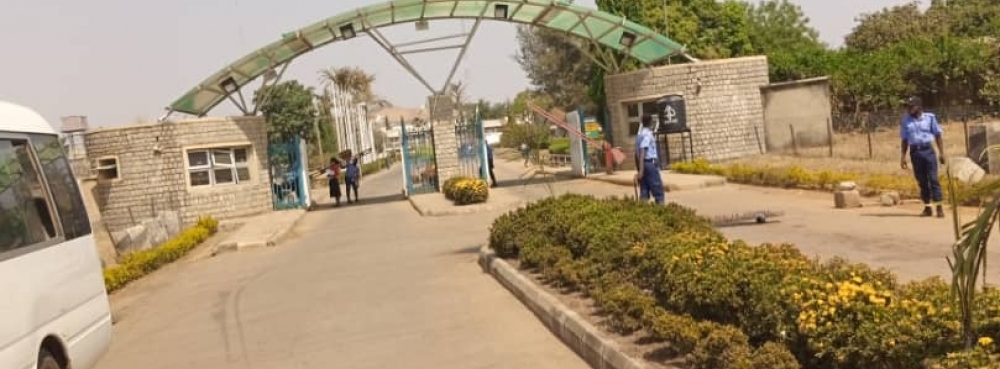
The Minister, represented by the Ag, FCT Federal Controller of Works, Engr Usman Yakubu spoke at the formal commissioning/hand over of 1.92km internal road rehabilitated by the Federal Ministry of Works and Housing in the Nigerian Law School, Bwari, FCT, Abuja.
Fashola explained that the road intervention program initiated by his Ministry was an investment in education aimed at improving infrastructures in the education sector
"It is undebatable that quality of education w be impacted by the quality of Infrastructure and the learning environment and those who doubt it should simply listen to some of the feedbacks from students in the schools where this type of intervention had taken place " he said
"A gradual process of repairs, renewal and reconstruction in major Highways had reached the schools" he said.
Similarly, the Minister stated that eighty-five (85) people were employed during the construction of the internal road in the Bwari Law School, thereby contributing to the job creation initiatives of the government, and enjoined the school to ensure that the asset is properly used and maintained.
Explaining further, the Minister said that, twenty-nine (29) road interventions projects had been completed, seventeen (17) of them already handed over in 2020 and now additional twelve (12) are ready as critical intervention to support education, which the one at the Bwari Law School was among.
In his remarks, the Director General of the Nigerian Law School, Bwari, Professor Isa Hayatu Chiroma, represented by the Secretary to the Council, Mrs. Elizabeth Max-Uba, expressed profound appreciation and gratitude to the Federal Government for the intervention.
He commended the Federal Government and the Contractor for the quality of work done and the good supervision by the engineers in the Ministry of Works to deliver the road of high standard.
Professor Isa also appealed to the government for more of such interventions in other campuses of the law school in Kano, Yola, Enugu and Yenagoa.
Giving details about the scope of work, the Director of works in the school, Engr Sunday Bala explained that, the 1.92 kilometers road covered roads 3 and 11, the school ring road hostel A and B and the school recreational center.
He explained that culverts and drainages were also constructed in the rehabilitation work.
In their remarks, some members of the School community; Bello Babatunde, Chinedu Ukekwe and Mrs Stella Nosike, respectively, commended President Muhammadu Buhari and Minister of Works and Housing, H.E. Babatunde Raji Fashola SAN for the intervention, saying that, the reconstructed road had facilitated easy access to the various parts and buildings in the school, which according to them enhanced the working atmosphere in the school community for both the students and staff
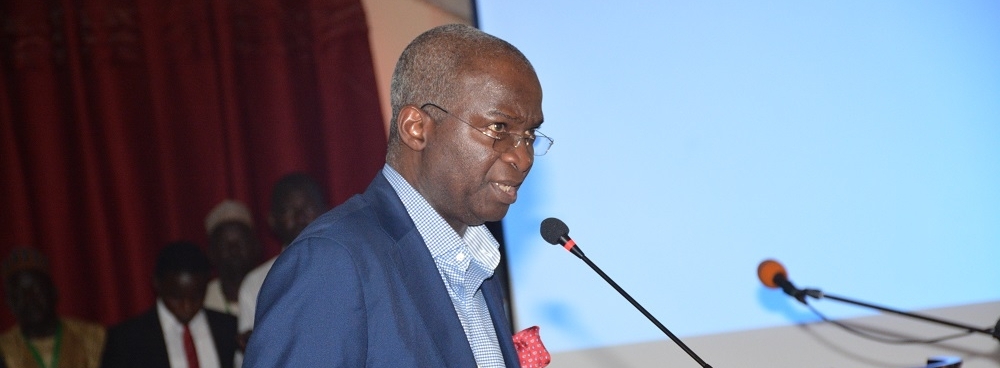
Keynote Address By The Honourable Minister Of Power, Works And Housing, At The 7th National Council On Lands, Housing, And Urban Development, Held At Gombe State
Protocol
Ladies and Gentlemen, I once again have the honor and pleasure to address this Council. This year, I do so around the theme of our meeting, which is ‘The Provision of Affordable Housing: A Catalyst for Development and Sustainable Economic Growth’.
Permit me to first express our profound gratitude on behalf of the Federal Government to the Government and good people of Gombe State for accepting to host this annual Council Meeting of Lands, Housing and Urban Development.
The event would not have been possible without the exceptional commitment of His Excellency, Dr. Ibrahim Hassan Dankwambo, the Executive Governor of Gombe State and members of his cabinet, especially the Hon. Commissioner for Metropolitan and Urban Planning Development, Mrs. Fatima Abubakar, on whom the responsibility for the organization of this event fell. Permit me, therefore, to wholeheartedly appreciate His Excellency for his resilient leadership qualities.
I wish to start by saying that at all levels of our Government, there is something that can be done about Housing and we should commit to doing so across partisan lines.
Very often, when the discussion about the lack of Housing begins, it either revolves around the size of the Deficit or the Cost of the houses or the pointing of fingers as to who should do what and has not done so.
Very rarely do those discussions bring up solutions or action points. Problems clearly cannot be solved by simply talking about them.
No matter what we say, unless we begin to act, it changes nothing. Strangely, we have had this conversation daily, and across election cycles of 4 years, each that I shudder to ask whether we take time to reflect.
I have stopped talking many years ago and have started acting, and whether it is at State or National level, I can point to my contribution and that of my Staff and say, “We did something.” Can you?
But before I continue, permit me to indulge those who spend their time on the debate about the size of the deficit and ask how educated and informed that debate is. Who conducted the census that produced the figures in the Deficit?
Who verified the figures that now seem to trap many of our people in a vortex of difficulty?
Does the deficit take into account the empty and unoccupied houses in every State of Nigeria?
Are these housing deficits in sub-urban, rural areas or in the urban centers?
Why is there urbanization, and why is housing shortage a problem of urbanization?
It seems to me that as Policy Makers, before we even start to build houses, the first thing we can do is to address urbanization by policy.
One of the policies is to consciously redistribute wealth and opportunities by strong commitments to programs like Agriculture and Mining.
These are rural-centric economic decisions that take wealth and opportunities to the rural areas, and slow down migration to the urban centers in search of opportunities.
From my trips across the States, I can tell you categorically that President Buhari’s commitment to infrastructure, which is driving mining and the Agricultural focus is already impacting on our urbanization challenge in a positive way.
Work at quarries and on cash crop farms, which are situated in the rural areas, is now getting to the people; instead of them coming to look for it in the urban centres.
All of us, as critical shareholders, can deepen these to the recesses of our States where President Buhari cannot reach.
As we slow down the migration, we must now provide homes to the people, starting in the urban centres where the need is greatest.
This is what President Buhari has done with the National Housing Project Pilot in the 34 States that gave us land.
Once again, the President has asked me to thank all those Governors who gave us land. Because of them, we are able to employ, averagely, a thousand people at each of those sites, and this is only for the pilot stage.
And this is the heart of the matter. The reason for our theme, ‘Why Housing Can and Should be the Catalyst for Development and Sustainable Economic Growth.’
If you have been involved as I have been, you will know that the people employed at housing sites are Builders, Welders, Carpenters, Electricians, Bricklayers, Water and Food Vendors, and other suppliers along with Labourers.
They are the people who are largely paid on a daily basis or on weekly, or at best monthly basis.
These are some of the most vulnerable people in our economy as they are in other economies. Whenever Government can reach these people and provide work for them, you know that such an economy is working.
President Buhari has reached these people. I have met them and we need to do more by multiplying the Housing commitment.
But beyond building houses, there is the problem of affordability and definition.
It seems to me that whether it is to buy or to rent, affordability will always be an issue. But we must start by making clear to our people that not everyone can afford to buy or own a house, but it is ideal to at least seek to shelter everybody who has a job, by rental which is affordable.
The question therefore is that after we have provided work for these vulnerable people, which pays them weekly or monthly in arrears, is it affordable for them when they seek to rent houses, and we ask them to pay one or two years rent in advance.
This is not Government, this is us, the landlords, and we can change this by accepting monthly rent in arrears secured with their employer’s guarantee.
If this happens, we will see how housing will catalyse our economy. When my rent is matched to my income, you and I will be witnesses to a release and relief of millions of people who seek help to pay their rent even though they have a job.
As for those who wish to buy houses, mortgages are the solution and we must issue more.
The Federal Mortgage Bank is mandated to do so, not only by re-capitalisation but also by granting the following exemptions:
A) 0% equity for loans not exceeding N5million
B) Reduction of equity from 20% to 10% for loans up to N6 – 15million.
This is in addition to a planned re-capitalisation and the opening of the National Housing Fund (NHF) to non-Government employees.
Between May 2015 and July 10, 2018 the FMBN has issued 3,862 mortgages to Nigerians to acquire their own homes.
But this is not all that is happening or can happen in the Economy with an appropriate commitment to Housing.
The Oil and Gas sector can also benefit enormously from Housing if we all commit to implementing the Gas master plan.
At the moment we are under utilizing our Gas resources especially in the area of domestic use for cooking and heating.
In order to take the benefit of this gift of Nature, our Ministry is working with the Ministry of Petroleum Resources to develop standards for pipes and installations that will facilitate domestic use of Gas for cooking and heating.
Ladies and Gentlemen, these are some of the ways that housing provision can catalyze development and economic growth.
The Federal Government can, and has taken leadership by showing the way.
Large scale nationwide impact now depends on what we do at the State, Local Government and private sector levels.
Therefore I will close by urging you to do something – build a house.
Babatunde Raji Fashola, SAN
Honourable Minister of Power, Works and Housing
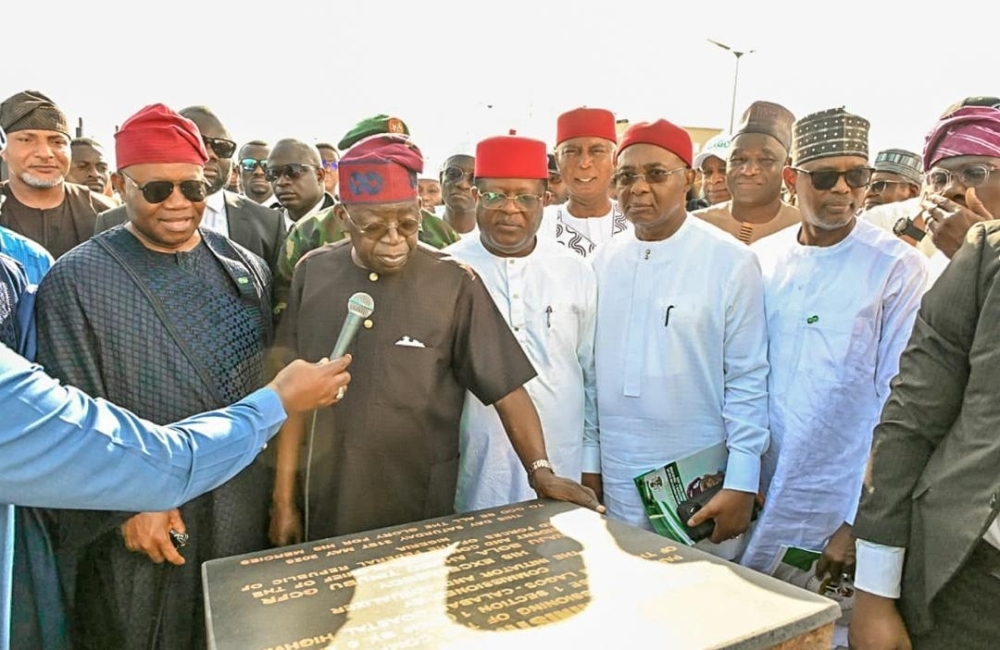
DRIVING NIGERIA’S FUTURE: CELEBRATING TWO YEARS OF TRANSFORMATIVE LEADERSHIP AND THE LAGOS-CALABAR COASTAL HIGHWAY MILESTONE
DRIVING NIGERIA’S FUTURE: CELEBRATING TWO YEARS OF TRANSFORMATIVE LEADERSHIP AND THE LAGOS-CALABAR COASTAL HIGHWAY MILESTONE
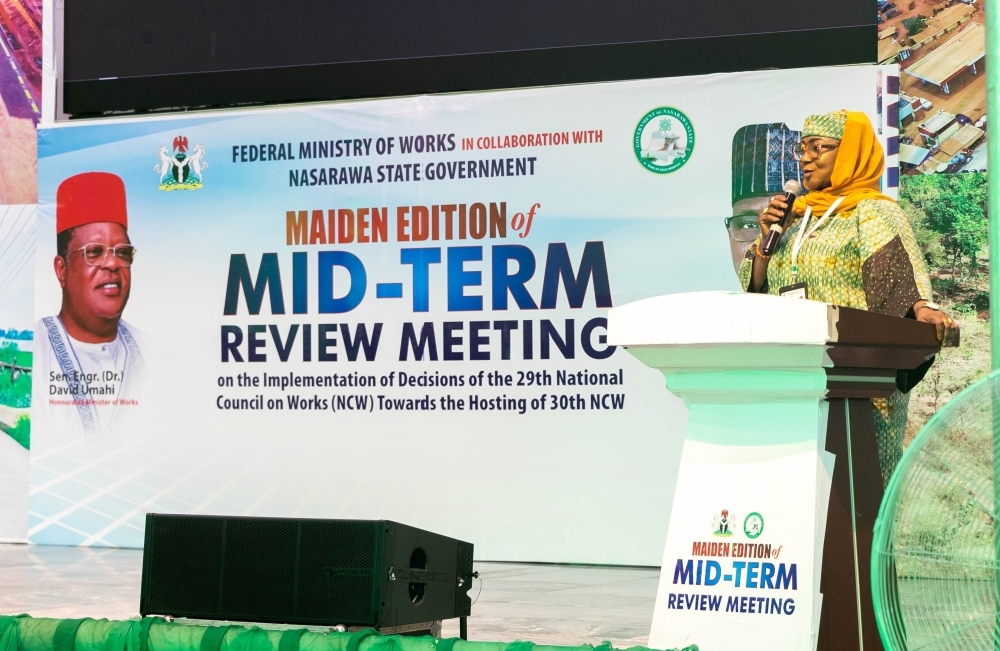
MID -TERM REVIEW MEETING ON THE IMPLIMENTATION OF THE DECISIONS REACHED AT THE 29TH NATIONAL COUNCIL ON WORKS (NCW) DAY 1
MID -TERM REVIEW MEETING ON THE IMPLIMENTATION OF THE DECISIONS REACHED AT THE 29TH NATIONAL COUNCIL ON WORKS (NCW) DAY 1