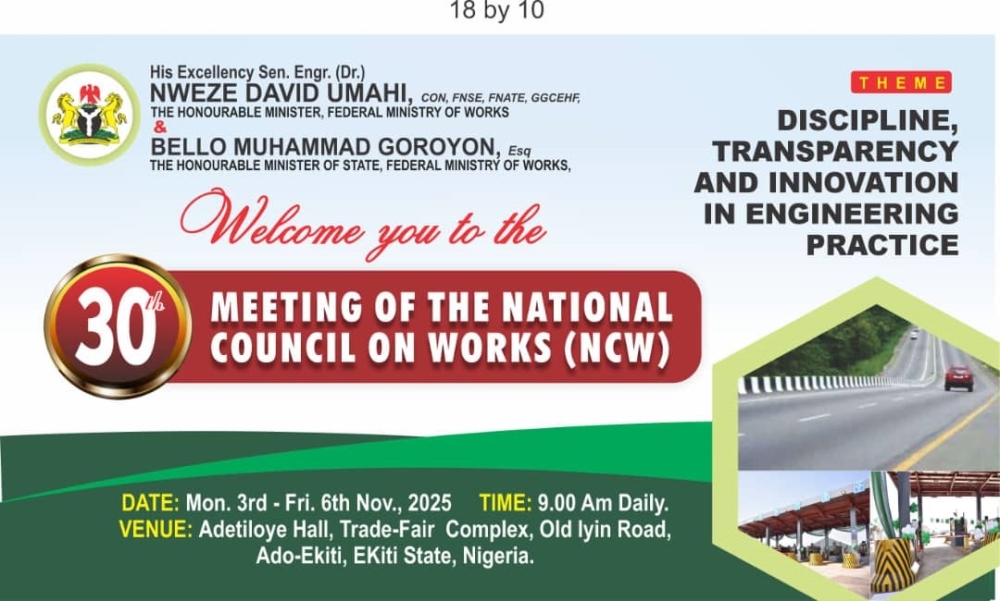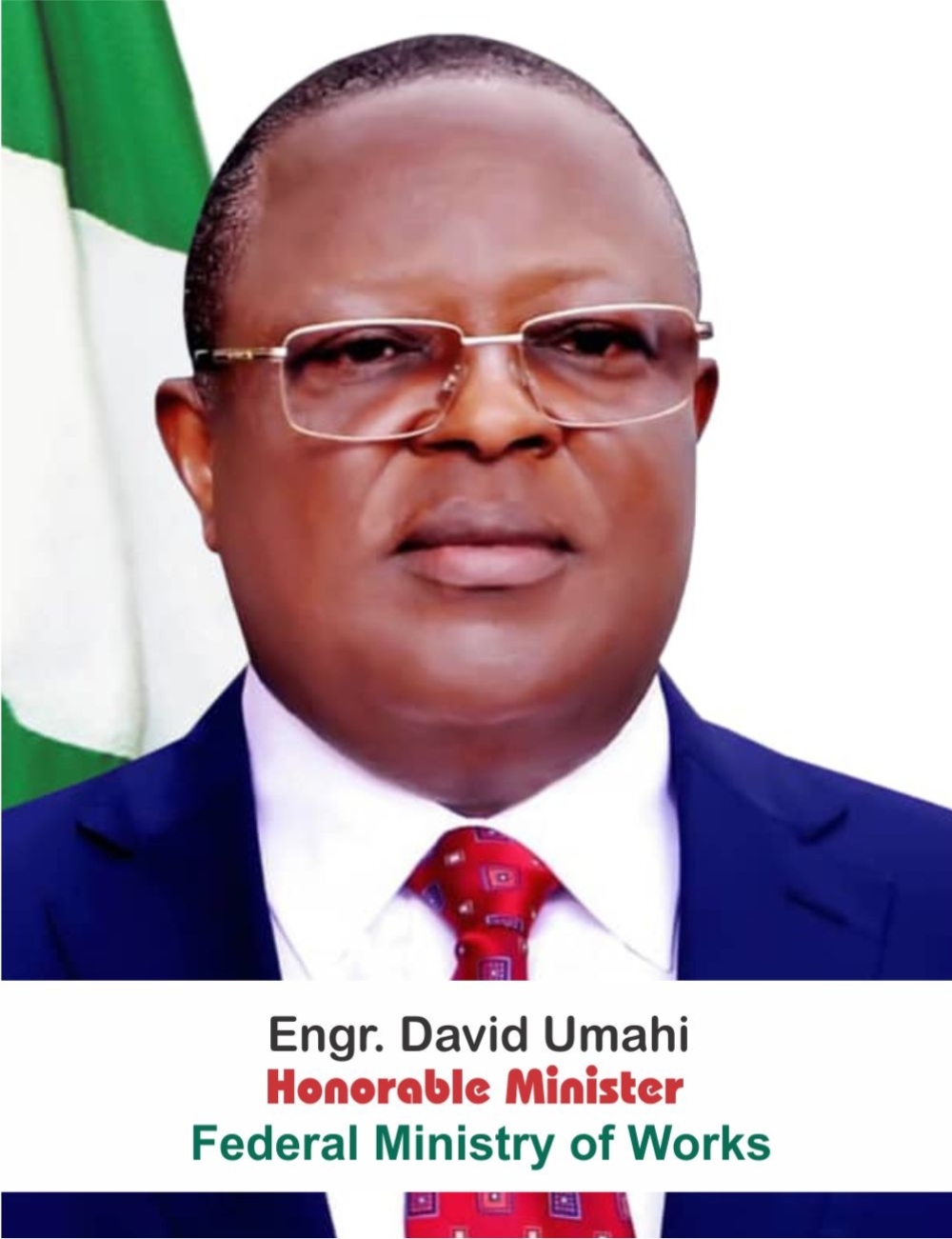
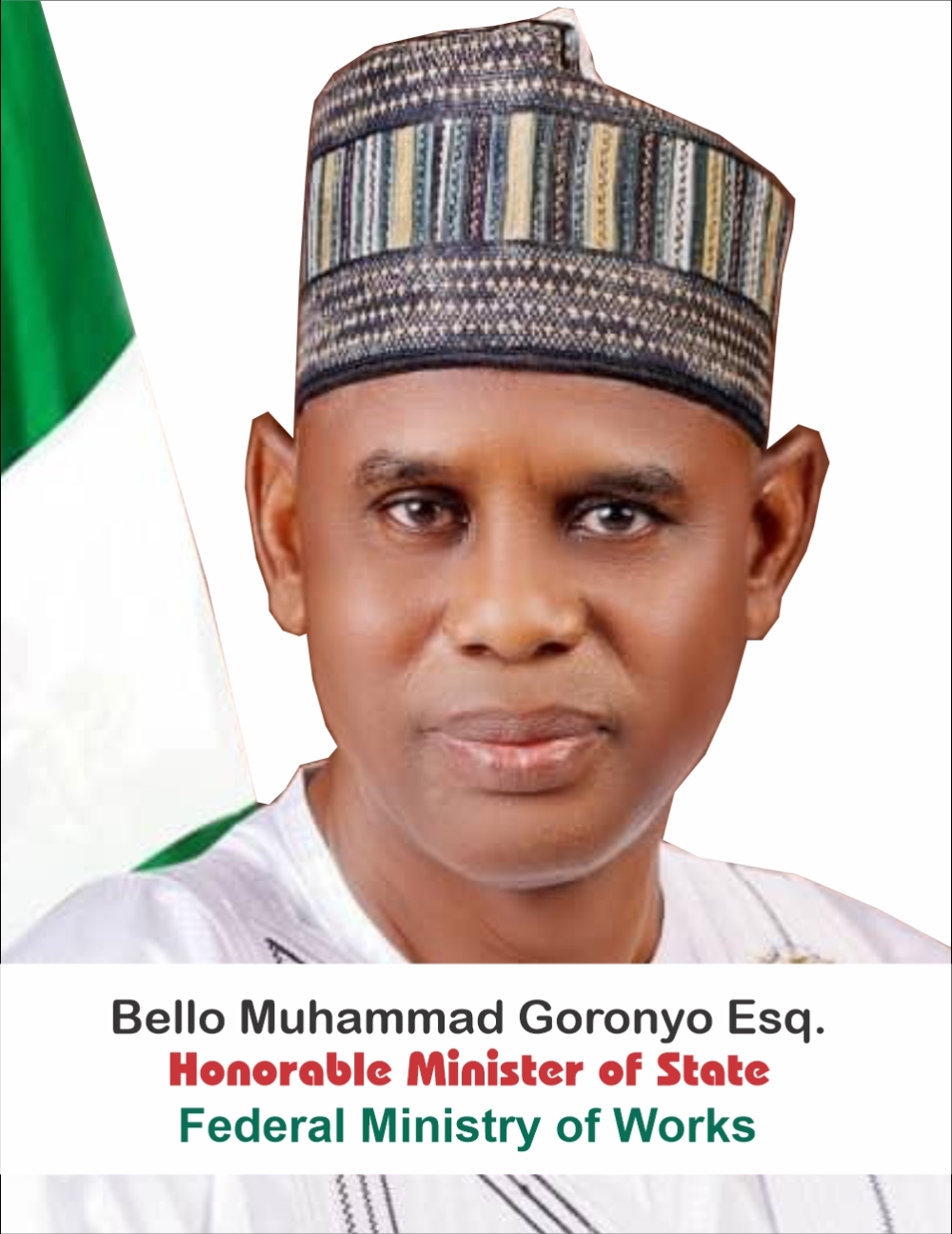
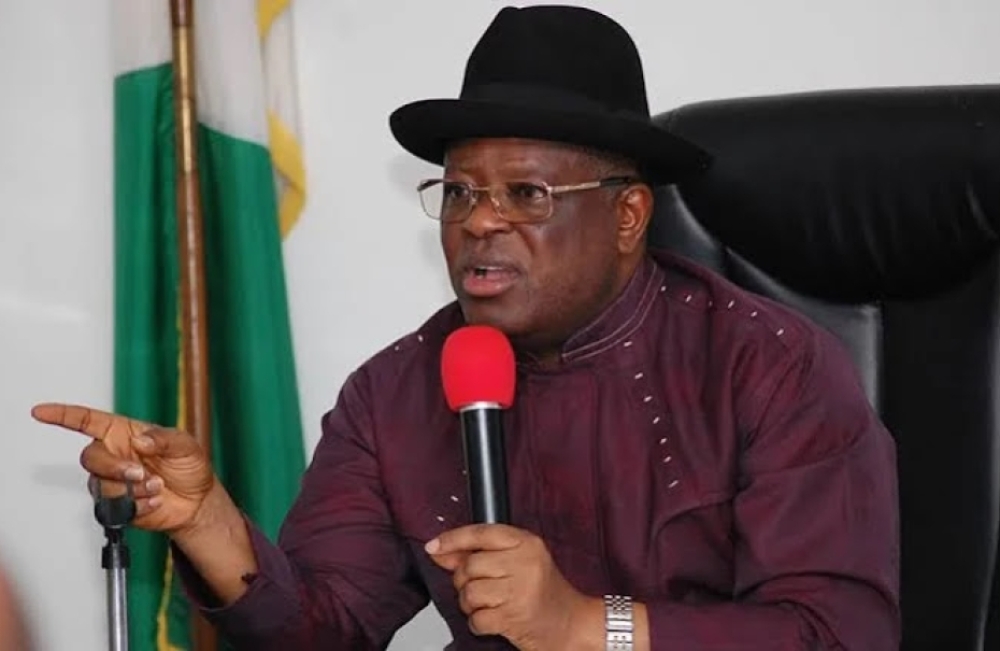
UMAHI ORDERS IMMEDIATE EMERGENCY INTERVENTION ON BENIN-ASABA ROAD, AND SOME OTHER CRITICAL FEDERAL ROADS
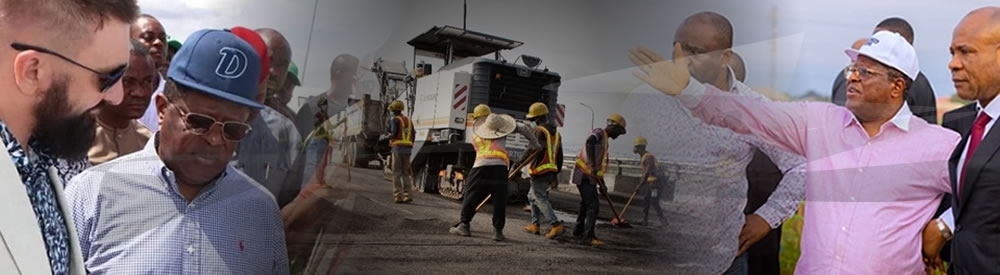
The Honourable Minister of Works, Senator Engr. David Nweze Umahi, CON, has directed the immediate deployment of major contractors to all three sections of the Benin-Asaba Federal Road to restore the failed sections and bring an end to the suffering of motorists and other road users.
This is because, the situation on the concessioned Benin-Asaba Road has reached a point where the overall public interest must take precedence over the existing concession agreement.
Recall that the Honourable Minister of Works was on the Benin-Asaba Road about seven days ago, where he assembled a number of contractors and directed them to prepare for immediate palliative intervention on the affected sections of the road at no cost to the concessionaire. In line with the Concession agreement which requires that before the Federal Government could intervene, the permission of the concessionaire must be required, and that permission was not granted to federal government.
The Minister subsequently proposed three options to the concessionaire, any one of which would have enabled the Federal Government to move in and address the worsening condition of the road. Unfortunately, none of the options was accepted by the concessionaire. Immediately after the Minister left Asaba, the already limited equipment deployed to the road by the concessionaire was further reduced to just one, worsening the situation and increasing the suffering of motorists and other road users.
While the Minister takes responsibility for the concerns and suffering of Nigerians using the road, it is important to state that the concessionaire has also not taken the suffering of Edo people and travelling public sufficiently into consideration by declining all the options put forward by the Federal Government. The concessionaire continues to rely on the terms of the concession agreement entered into by the previous administration, an agreement which weighs heavily against the Federal Government’s ability to intervene quickly in the interest of the public in a situation like this.
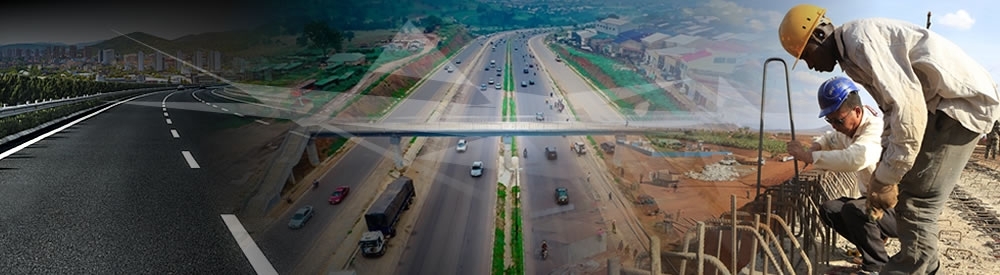
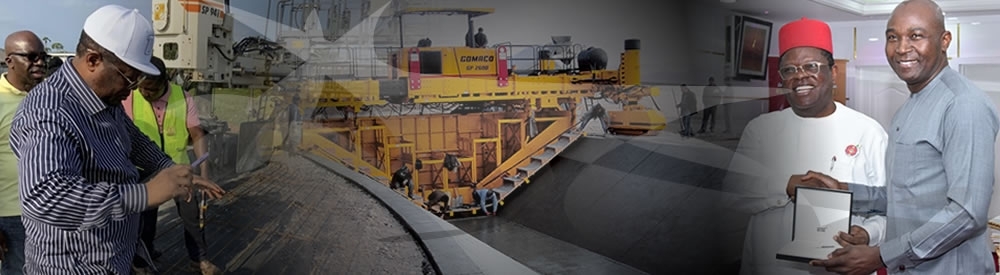
In view of this situation, the Honourable Minister of Works has directed the immediate deployment of major contractors within the corridor to all three sections of the Benin-Asaba Road to restore the failed sections and bring relief to the people, with the cost of the emergency intervention being borne by the Federal Government. The Honourable Minister has also directed immediate redesign of the entire route to be rebuilt with reinforced concrete pavement. The public should therefore take note that immediate action is underway to restore every failed section of the Benin-Asaba Road and subsequently rehabilitate the entire sections of the road using reinforced concrete pavement.
2. On the Benin-Sapele Road:
The Governors of Edo and Delta States, the Niger Delta Development Commission (NDDC), and the Federal Government are currently engaged in interventions on different sections of the road to restore the entire route. While some sections are receiving palliative attention, permanent works are also ongoing on other sections.
3. On Ifaki(Ekiti) - Kabba (Kogi) Road:
The Federal Government is engaging both the contractor; Gamji Nigeria Company Limited, and Dangote PLC on immediate emergency and permanent intervention on the most failed sections of the road, while efforts are being made to financially mobilise the company for more extensive permanent work to commence on the axis.
4. On the Sokoto-Zamfara-Katsina Road: This is an inherited project involving the dualisation of approximately 350 kilometres, which translates to about 700 kilometers. The project has since been redesigned and is currently ongoing and most sections are being reconstructed using reinforced concrete pavement. From the Sokoto axis towards Zamfara, over 50 kilometres of one carriageway have been fully completed with reinforced concrete pavement. From Zamfara to Katsina, some sections have been completed and palliative works have been ordered over the sections that have not been reconstructed. However, the pace of work slowed down due to the redesign and rephasing of the project. The contractors currently engaged on the road include CBC, SETRACO, Triacta and Mothercat. They are being remobilised to return to site and complete the outstanding works.
5. On the Abuja-Kaduna-Zaria-Kano Road: The Federal Government took over the Road project and has currently completed the 118-kilometer mostly on reinforced concrete pavement on lot 1. The Lot 2, which covers 164 kilometres, is over 60 percent completed on reinforced concrete pavement. The Federal Government has also introduced solar-powered light on the entire route of Abuja-Kaduna-Zaria - Kano to improve visibility during night travel and enhance the overall security situation on the route. The entire project is scheduled for completion by December 2026.
6. On Bauchi-Jigawa Road: Triacta Nigeria Limited has been mobilised to carry out the necessary interventions on some failed sections and work is currently ongoing in those failed sections.
7. On the Sagamu-Ore Road: 48 Kilometers of the 96-kilometre road have already been completed using reinforced concrete pavement. There is also a 24-kilometre section around Ore which was abandoned by the previous contractor. The Federal Government has directed its immediate restoration to ensure seamless travel. Solar lights are being installed in the entire 96kilometer of the road.
8. On Flooded Sections on Sagamu-Ore-Benin Road: The flooded sections on the same corridor between Sagamu-Ore-Benin Road, as well as other flooded sections in Ondo State, are being designed for emergency procurement and intervention.
9. On the East-West Road:
Some failed and critical sections, including defective sections of bridges along the East-West Road, are being marked out for emergency procurement and intervention.
10. On the Abuja-Lokoja Road:
Several contracts are ongoing along the route, while the three critical sections currently without contracts are being procured for emergency intervention.
11. On the Lokoja-Benin-Warri Road: The President has directed a complete redesign and procurement of the 400-kilometre dualised route covering the uncompleted sections, using reinforced concrete pavement, while palliative works will continue with the contractors currently on the road.
12. On Carter Bridge:
While the Federal Government continues to undertake weekly maintenance of the underwater elements of the bridge. The site has also been handed over to the contractor, CCECC, for the construction of a permanent new bridge, and work has commenced.
13. On the Third Mainland Bridge:
With regard to the defective underwater structural elements, the Federal Government is at the final stage of determining the appropriate intervention for the repair of the affected elements.
14. On the flooded section of the Lagos-Ibadan Road: Work has commenced on the affected section. There are also several flooded sections on federal roads across the six geopolitical zones, largely occasioned by excessive flooding and the effects of climate change. The Federal Government is identifying and marking these sections for immediate attention.
15. On the First and Second Niger Bridges:
Intervention work is ongoing on the approach roads to the Second Niger Bridge damaged by flood and the work is progressing very well. The First Niger Bridge has been closed to traffic to enable immediate repair works. Contractor has mobilized to site and comprehensive rehabilitation of the bridge has started. From Summit Junction to the First Niger Bridge, massive rehabilitation work is also ongoing using reinforced concrete pavement.
16. The Honourable Minister wishes to commend the President of the Federal Republic of Nigeria, His Excellency Bola Ahmed Tinubu, GCFR, for the massive work being undertaken on the nation’s roads since the administration assumed office in 2023.
17. It is important to state that when the present administration came into office, there was hardly any part of the country where one could travel for an hour without encountering significant challenges on the road network. The condition of the country’s roads and bridges was a major national infrastructure challenge.
18. Rather than shy away from the problem, the administration of President Bola Ahmed Tinubu made the nation’s road network a priority. Virtually every part of the country became a priority, and the Federal Government, through the Federal Ministry of Works, Regional Commissions, Parastatals and other MDA’s has continued to respond extensively to these challenges.
19. The Federal Government is currently working on over 80 percent of the inherited federal roads, an unprecedented level of intervention in the country’s road infrastructure.
20. We ask the public to understand the enormous challenges inherited on our roads and bridges and to take note not only of the problems being solved, but also of the permanent solutions being introduced.
21. A major part of this new approach is the use of reinforced concrete pavement, designed to significantly extend the lifespan of major roads. These roads are expected to last between 50 and 100 years. This means that roads being constructed under President Bola Ahmed Tinubu’s administration are being designed with future generations in mind, rather than simply providing temporary solutions to today’s problems. And this is a complete departure from the past, when roads often deteriorated only a few years after completion, resulting in a continuous cycle of reconstruction and expenditure.
22. We appreciate the concerns of Nigerians over the condition of some roads presently and the difficulties faced by motorists and commuters who cannot move easily from one point to another. Those concerns are legitimate, and the Federal Government is listening. But Nigerians should also recognise the enormous scale of the problems inherited and the amount of work currently being undertaken across the country.
23. It is simply impossible to resolve every road challenge accumulated over many years of neglect by the past administrations within three years. What is important is that the government is working, the government is responding, and the government is putting permanent solutions in place.
25. We appreciate members of the public who send situation reports on failed roads and other infrastructure challenges. These reports help the Ministry identify areas requiring urgent attention. However, we also appeal to members of the public to report when such problems have been addressed, just as they report when they occur.
24. We are aware of situations where photographs and reports of road challenges continue to circulate on social media even after the Federal Government has intervened and resolved the particular problem.
25. However, the Ministry will continue to respond as rapidly as possible to genuine reports and concerns from Nigerians.
26. It is also important to note that we have compiled a comprehensive record of all inherited, ongoing and intervention projects across the country which is available to the public. This is to ensure that Nigerians have access to information on the infrastructure projects being undertaken nationwide and can fully participate in and appreciate the infrastructure revolution of President Bola Ahmed Tinubu’s administration.

UMAHI ORDERS IMMEDIATE EMERGENCY INTERVENTION ON BENIN-ASABA ROAD, AND SOME OTHER CRITICAL FEDERAL ROADS The Honourable Minister of Works, Senator Engr. David Nweze Umahi, CON, has directed the immediate deployment of major contractors to all three sections of the Benin-Asaba Federal Road to restore the failed sections and bring an end to the suffering of motorists and other road users. This is because, the situation on the concessioned Benin-Asaba Road has reached a point where the overall public interest must take precedence over the existing concession agreement. Recall that the Honourable Minister of Works was on the Benin-Asaba Road about seven days ago, where he assembled a number of contractors and directed them to prepare for immediate palliative intervention on the affected sections of the road at no cost to the concessionaire. In line with the Concession agreement which requires that before the Federal Government could intervene, the permission of the concessionaire must be required, and that permission was not granted to federal government. The Minister subsequently proposed three options to the concessionaire, any one of which would have enabled the Federal Government to move in and address the worsening condition of the road. Unfortunately, none of the options was accepted by the concessionaire. Immediately after the Minister left Asaba, the already limited equipment deployed to the road by the concessionaire was further reduced to just one, worsening the situation and increasing the suffering of motorists and other road users. While the Minister takes responsibility for the concerns and suffering of Nigerians using the road, it is important to state that the concessionaire has also not taken the suffering of Edo people and travelling public sufficiently into consideration by declining all the options put forward by the Federal Government. The concessionaire continues to rely on the terms of the concession agreement entered into by the previous administration, an agreement which weighs heavily against the Federal Government’s ability to intervene quickly in the interest of the public in a situation like this. In view of this situation, the Honourable Minister of Works has directed the immediate deployment of major contractors within the corridor to all three sections of the Benin-Asaba Road to restore the failed sections and bring relief to the people, with the cost of the emergency intervention being borne by the Federal Government. The Honourable Minister has also directed immediate redesign of the entire route to be rebuilt with reinforced concrete pavement. The public should therefore take note that immediate action is underway to restore every failed section of the Benin-Asaba Road and subsequently rehabilitate the entire sections of the road using reinforced concrete pavement. 2. On the Benin-Sapele Road: 3. On Ifaki(Ekiti) - Kabba (Kogi) Road: 4. On the Sokoto-Zamfara-Katsina Road: This is an inherited project involving the dualisation of approximately 350 kilometres, which translates to about 700 kilometers. The project has since been redesigned and is currently ongoing and most sections are being reconstructed using reinforced concrete pavement. From the Sokoto axis towards Zamfara, over 50 kilometres of one carriageway have been fully completed with reinforced concrete pavement. From Zamfara to Katsina, some sections have been completed and palliative works have been ordered over the sections that have not been reconstructed. However, the pace of work slowed down due to the redesign and rephasing of the project. The contractors currently engaged on the road include CBC, SETRACO, Triacta and Mothercat. They are being remobilised to return to site and complete the outstanding works. 5. On the Abuja-Kaduna-Zaria-Kano Road: The Federal Government took over the Road project and has currently completed the 118-kilometer mostly on reinforced concrete pavement on lot 1. The Lot 2, which covers 164 kilometres, is over 60 percent completed on reinforced concrete pavement. The Federal Government has also introduced solar-powered light on the entire route of Abuja-Kaduna-Zaria - Kano to improve visibility during night travel and enhance the overall security situation on the route. The entire project is scheduled for completion by December 2026. 6. On Bauchi-Jigawa Road: Triacta Nigeria Limited has been mobilised to carry out the necessary interventions on some failed sections and work is currently ongoing in those failed sections. 7. On the Sagamu-Ore Road: 48 Kilometers of the 96-kilometre road have already been completed using reinforced concrete pavement. There is also a 24-kilometre section around Ore which was abandoned by the previous contractor. The Federal Government has directed its immediate restoration to ensure seamless travel. Solar lights are being installed in the entire 96kilometer of the road. 8. On Flooded Sections on Sagamu-Ore-Benin Road: The flooded sections on the same corridor between Sagamu-Ore-Benin Road, as well as other flooded sections in Ondo State, are being designed for emergency procurement and intervention. 9. On the East-West Road: 10. On the Abuja-Lokoja Road: 11. On the Lokoja-Benin-Warri Road: The President has directed a complete redesign and procurement of the 400-kilometre dualised route covering the uncompleted sections, using reinforced concrete pavement, while palliative works will continue with the contractors currently on the road. 12. On Carter Bridge: 13. On the Third Mainland Bridge: 14. On the flooded section of the Lagos-Ibadan Road: Work has commenced on the affected section. There are also several flooded sections on federal roads across the six geopolitical zones, largely occasioned by excessive flooding and the effects of climate change. The Federal Government is identifying and marking these sections for immediate attention. 15. On the First and Second Niger Bridges: 16. The Honourable Minister wishes to commend the President of the Federal Republic of Nigeria, His Excellency Bola Ahmed Tinubu, GCFR, for the massive work being undertaken on the nation’s roads since the administration assumed office in 2023. 17. It is important to state that when the present administration came into office, there was hardly any part of the country where one could travel for an hour without encountering significant challenges on the road network. The condition of the country’s roads and bridges was a major national infrastructure challenge. 18. Rather than shy away from the problem, the administration of President Bola Ahmed Tinubu made the nation’s road network a priority. Virtually every part of the country became a priority, and the Federal Government, through the Federal Ministry of Works, Regional Commissions, Parastatals and other MDA’s has continued to respond extensively to these challenges. 19. The Federal Government is currently working on over 80 percent of the inherited federal roads, an unprecedented level of intervention in the country’s road infrastructure. 20. We ask the public to understand the enormous challenges inherited on our roads and bridges and to take note not only of the problems being solved, but also of the permanent solutions being introduced. 21. A major part of this new approach is the use of reinforced concrete pavement, designed to significantly extend the lifespan of major roads. These roads are expected to last between 50 and 100 years. This means that roads being constructed under President Bola Ahmed Tinubu’s administration are being designed with future generations in mind, rather than simply providing temporary solutions to today’s problems. And this is a complete departure from the past, when roads often deteriorated only a few years after completion, resulting in a continuous cycle of reconstruction and expenditure. 22. We appreciate the concerns of Nigerians over the condition of some roads presently and the difficulties faced by motorists and commuters who cannot move easily from one point to another. Those concerns are legitimate, and the Federal Government is listening. But Nigerians should also recognise the enormous scale of the problems inherited and the amount of work currently being undertaken across the country. 23. It is simply impossible to resolve every road challenge accumulated over many years of neglect by the past administrations within three years. What is important is that the government is working, the government is responding, and the government is putting permanent solutions in place. 25. We appreciate members of the public who send situation reports on failed roads and other infrastructure challenges. These reports help the Ministry identify areas requiring urgent attention. However, we also appeal to members of the public to report when such problems have been addressed, just as they report when they occur. 24. We are aware of situations where photographs and reports of road challenges continue to circulate on social media even after the Federal Government has intervened and resolved the particular problem.
The Governors of Edo and Delta States, the Niger Delta Development Commission (NDDC), and the Federal Government are currently engaged in interventions on different sections of the road to restore the entire route. While some sections are receiving palliative attention, permanent works are also ongoing on other sections.
The Federal Government is engaging both the contractor; Gamji Nigeria Company Limited, and Dangote PLC on immediate emergency and permanent intervention on the most failed sections of the road, while efforts are being made to financially mobilise the company for more extensive permanent work to commence on the axis.
Some failed and critical sections, including defective sections of bridges along the East-West Road, are being marked out for emergency procurement and intervention.
Several contracts are ongoing along the route, while the three critical sections currently without contracts are being procured for emergency intervention.
While the Federal Government continues to undertake weekly maintenance of the underwater elements of the bridge. The site has also been handed over to the contractor, CCECC, for the construction of a permanent new bridge, and work has commenced.
With regard to the defective underwater structural elements, the Federal Government is at the final stage of determining the appropriate intervention for the repair of the affected elements.
Intervention work is ongoing on the approach roads to the Second Niger Bridge damaged by flood and the work is progressing very well. The First Niger Bridge has been closed to traffic to enable immediate repair works. Contractor has mobilized to site and comprehensive rehabilitation of the bridge has started. From Summit Junction to the First Niger Bridge, massive rehabilitation work is also ongoing using reinforced concrete pavement.
25. However, the Ministry will continue to respond as rapidly as possible to genuine reports and concerns from Nigerians.
26. It is also important to note that we have compiled a comprehensive record of all inherited, ongoing and intervention projects across the country which is available to the public. This is to ensure that Nigerians have access to information on the infrastructure projects being undertaken nationwide and can fully participate in and appreciate the infrastructure revolution of President Bola Ahmed Tinubu’s administration.
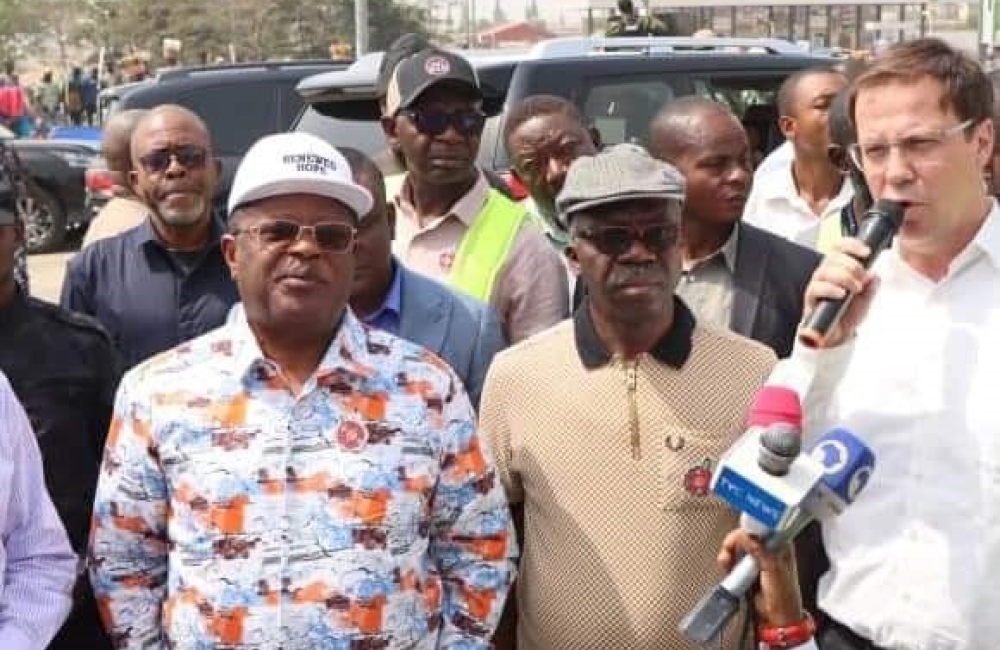
Minister Of Works and His Finance Counterpart Jointly Inspect Abuja- Kaduna- Zaria- Kano Highway, Brainstorm with Julius Berger Nigeria Plc on Strategies and Milestones for Delivery of The Project Within a Record Time In keeping with the Presidential innovations on inter-ministerial coordination, cooperation, and collaboration in the tackling of sectoral problems under the Renewed Hope administration of His Excellency, Sen. Asiwaju Bola Ahmed Tinubu GCFR, the Hon. Minister of Works, His Excellency Sen.Engr. Nweze David Umahi CON and his counterpart, the Hon. Minister of Finance & Coordinating Minister of the Economy, Chief Adebayo Olawale Edun, were on inspection visit to Abuja – Kaduna -Zaria-Kano Highway on 12th January 2024. The dual carriageway which has been a source of concern to road users because of the many dilapidated spots and security challenges, was awarded to Julius Berger Plc but could not be completed because of security and funding challenges. But the administration of Mr. President views the road as very critical for the socio-economic advancement of the nation and is therefore committed to completing the project on a record time. While brainstorming on strategies and milestones for fixing the road, the Hon. Minister of Works assured the contractors that funding would not be a problem going forward. "We have got a commitment from the Honourable Minister of Finance to make payment, and I am very sure if we pay Julius Berger Plc according to the commitment on funding, it will complete the job “ The Minister also said “we have issues of reviewing the contract sum, and we will sort that out. We sent our technical team to reexamine the sub grade, which will be the basis of our redesign, let me emphasis that this is the first project we are touring in this place, and Mr President in his Renewed Hope Agenda has expressed his deep concern on the completion of the project and he has directed that everything must be done to get the entire project completed” On his part, the Hon. Minister of Finance assured of the unwavering commitment of the Federal Government in the timely funding of the project in line with the agreed milestones. “Under the mandate of President Bola Ahmed Tinubu, we are both here on inspection to hear the commitment of the contractor handling the project and to support them, to as soon as possible complete this all-important reconstruction of the Abuja- Kaduna - Zaria - Kano Road.” The finance minister described the works sector as one of the most strategic sectors that will add value to the economic development agenda of Mr. President and would always be given priority attention. "We want to urge the contractor to do more.Infrastructure is a critical priority of the administration of President Bola Ahmed Tinubu. That is how we can get food prices down. Through transportation and easy transportation of agricultural products, we want to move freely across the country. To bring down the prices and inflation,we will be doing more on the funding. " On the inspection team includes directors from both Ministry of Works and Finance, Managing Director Julius Berger Nigeria Plc, Engr Dr Lars Richter who conducted the two ministers round the projects and several other stakeholders. ...
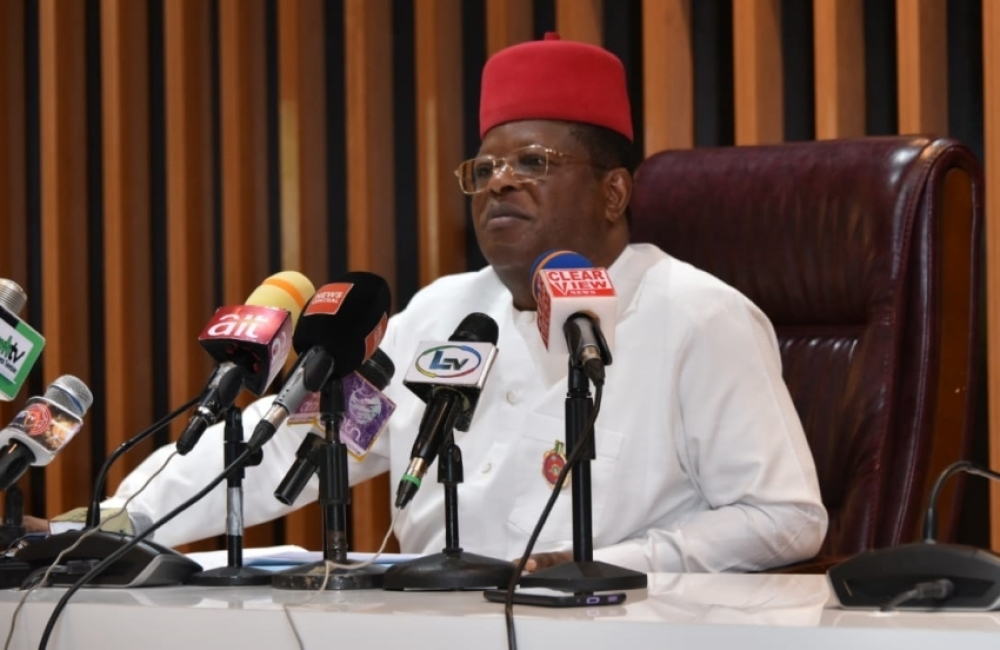
MINISTER OF WORKS DIRECTS CONTRACTORS TO GO BACK TO SITE, SETS TIME FRAME FOR PROJECTS DELIVERY The Honourable Minister of works His Excellency Sen. Engr. Nweze David Umahi CON has charged the contractors under the Federal Ministry of Works to brace themselves for the standard of work and delivery time frame required of every contractor under the Renewed Hope administration the President of Nigeria, His Excellency Sen. Asiwaju Bola Ahmed Tinubu GCFR. The Hon Minister gave this charge in a meeting with the Directors of the Ministry and the contractors held at the Ministry's headquarters Mabushi-Abuja, this 11th day of January, 2024. The Honourable Minister emphasized that going forward, contractors must take into account the plight of Nigerians and the Renewed Hope Initiatives on road infrastructure development in executing their projects. He maintained that the Ministry of Works means business and would not take excuses from contractors. He assured them that the Ministry would consider the review of contracts previously consumated in line with set parameters and prevailing economic situations, and that all generated certificates would be verified and paid accordingly, while urging them to ensure that all issues of contract variations were brought to the notice of the relevant departments of the Ministry. He thanked Mr. President for the prompt release of funds for palliatives works. ”The Bureau of Public Procurement has approved over 80% of requests for palliative projects. Those who indicated interest in the palliative project should please come to the Ministry to collect award letters and complete documentation. Mr. President has graciously released 50% of funds on palliative work, and so he wants to see action in all the 36 States and Abuja.” The Honourable Minister used the opportunity to announce the re-organization of the supervision structure for the Special Projects across the nation and introduced a special mechanism for tracking of certificates generated by contractors and expressed hope that with the new initiative under the Renewed Hope agenda of Mr. President, each State of the Federation would record not less than 150km roads in the Federal roads network in the year 2024, in addition to the special road projects funded through different extra budgetary platforms. 4. Earlier in his remarks, the representative of the Permanent Secretary and Director Highway, Bridges and Design, Engr. Awosanya Onatuga, stated that the meeting of the Directors and contractors with the Honourable Minister was agenda setting for the year 2024, and the essence was to take the task of performance that would help them move the Works sub-sector forward in accordance with the innovative plans of Federal Government under Mr. President. He thanked the Honourable Minister for the relief given to road users toward the Xmas and New Year seasons. "We can say we did very well towards the end of last year. There were no adverse reports on any blockage, people sleeping on the road. Yes, we have not done so much; we are not where we are supposed to be, but with the spirit of the Hon Minister, the can-do spirit, and it's not slowing down, we are on the right track" ...
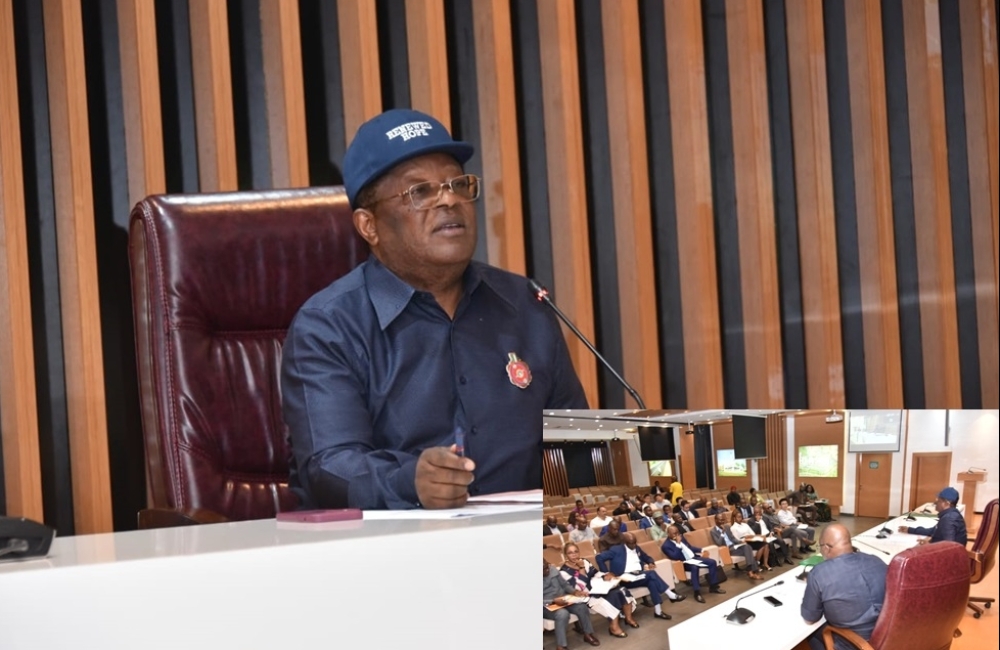
Honourable Minister of Works Inaugurates Committees to Fast- Track the Implementation of HDMI Programme, Tasks Concessionaires on Best Standard on Road Construction. In keeping with the avowed commitment of the President of Nigeria, His Excellency Sen. Asiwaju Bola Ahmed Tinubu GCFR towards road infrastructure revolution, the Honourable Minister of Works, His Excellency Sen. Engr. Nweze David Umahi, CON, has inaugurated three committees to fast-track the implementation of the Highway Development and Management Initiative (HDMI). The programme which is a Public Private Partnership (PPP) arrangement in the construction, operations and maintenance of highways, is designed in such a way and manner that the emergent concessionaires will recoup their investments through toll and non- toll revenues as may be negotiated. Speaking during the event, the Honourable Minister of Works harped on the need for the committees to work effectively and concertedly bearing in mind the expectations of Nigerians, in terms of transparency, standard and efficiency in contract negotiations. He noted that contract with some concessionaires had been consummated but said that the current economic dynamics and the new policy direction of the present administration would require a review of the scope of work and cost implication. He charged the concessionaires to abide by the criteria set and the timeline for the projects. "We own the design; you will own the cost of the project while we carry out verification on the cost of the projects; the idea is to scope the projects. We want to have a standard road infrastructure to toll. Our business is to ensure that your design conforms with the Ministry's standard of design, that is why we are making the Director of Roads and Bridges of the Ministry to be the Chairman of the committee on Scoping and Design. We don’t want to do just a patch on the road and give it to the public for you to toll. The public will resist. We want to have a standard road to toll". He said “we have to provide alternative road because by law you cannot toll road if there is no alternative route to it. It is very important that every of the projects must have alternative routes. The number of toll gates and toll stations will be determined by Infrastructure Concession Regulatory Commission (ICRC). We also have to put CCTV Camera, Solar Light and Security on our roads. Whatever that will make our roads safer is very important to us. All these must be considered part of the business." The three committees set up by the Hon. Minister for the actualization of the Federal Government’s HDMI programme are: Scoping and Design, Financial Due Diligence and Agreement Review. While constituting the Due Diligence Committee, the Hon. Minister said “We must have a figure to begin to work with under Due Diligence committee, we want to hand over all these sites to people who are serious by the end of March 2024. Enough of these meetings, enough of the bureaucracy “. Sen. Umahi said of the Agreement committee, " I have given a template on how to review agreement and I think the legal department can do this on their own “. He told the concessionaires of the consequence of not meeting up with the rules of engagement. “I must say that in case timelines were set and any company couldn't meet up with the timelines, we may not continue processing anything with that company." Sen. Umahi further stated, “in all our biddings in 2024 going forward, every cost element must be disaggregated. The procurement law has set up profit for the contractors. We will verify the cost in respect of concessionaires. We have to ensure that the cost you are putting will do the job. We don’t want you to engage and come back and say there is inflation after we engage you on the project. We have to ensure that concessionaires have all what it takes to do the job. The Ministry of Works and the concessionaires must ensure that we are on the same page so that the citizens will not suffer. Patriotism demands that we must not allow the citizens to suffer. We have to be realistic and honest. We don’t have all the money as government to do these jobs. The Hon. Minister however, expressed happiness for the progress made by 9 concessionaires in finalizing their designs and documentation to achieve a financial close by the first quarter of 2024 and charged them to diligently work with the Ministry's committees for the final processes. Earlier, speaking on behalf of the Permanent Secretary at the meeting, the Director Highways and Bridges, Engr. Awosanya Onatuga said the Directors and the concessionaires were ready to work concertedly to move HMDI project forward. He remarked, "the contract has been consummated but there are certain dynamics that will necessitate a review of the scope of work that will dovetail into the cost of each project, and the Hon. Minister is desirous to fast-track this process, so that the second phase can take off". ...
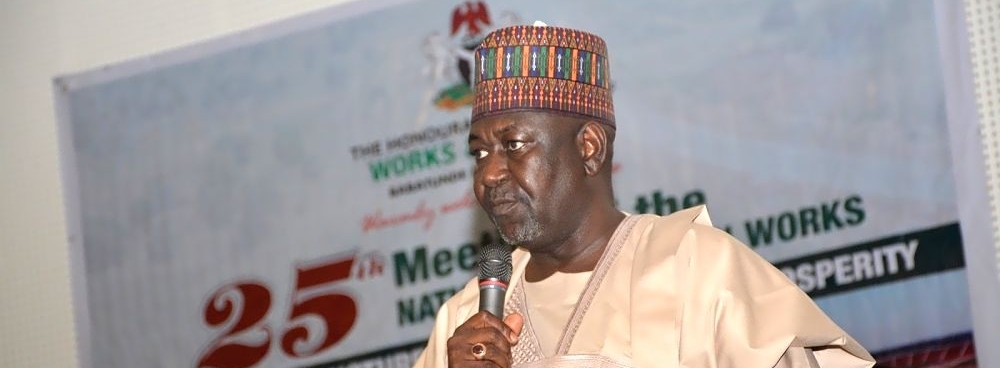
FG Committed to Entrench PPP for Roads Infrastructure - Fashola
Minister of Works an Housing, Babatunde Raji Fashola has stated that the Nigerian Government is committed to entrench the Public Private Partnership (PPP) arrangement to improve road infrastructure in Nigeria.
The Minister spoke at a workshop on Nigeria - South Africa Road Transport Infrastructure and PPP Collaboration Initiative which was held in Abuja, Monday, December 2, 2019
Fashola was represented by the Minister of State for Works and Housing, Engr Abubakar Aliyu, FNSE.
The workshop was organised under the auspices of the office of the secretary to the government of the federation (SGF) in partnership with the Infrastructure Concession Regulatory Commission (ICRC), Development Bank of South Africa (DBSA), Federal Road Maintenance Agency (FERMA) and South African National Roads Authority (SANRAL).
While commending the ICRC for it's committment to increasing infrastructure investment in Nigeria, Fashola also appreciated other partners for organising the workshop, adding that his ministry is in alignement with the objectives of the initiative
He explained that the workshop would provide an opportunity to expand West African roads and rail infrastructure thereby improving the socio-economic well being of the people.
Accordingly, the minister assured that the govt of Nigeria will continually support the PPP and improve private sector participation, pointing out that government is already engaged in many PPP investments in the country
Earlier the DG ICRC, Engr Chidi Izuwah, had listed the benefits derivable from the provision of roads infrastructure which he said smong others include; creation of jobs, boosting production,, creation of industrial parks, springing of new residential areas and township
Engr Chidi explained that the ICRC and FERMA in Collaboration with the DBSA and various South African entities intend to produce and support a West African focused regional transport and logistics infrastructure development program.
In a good will message, the South African Deputy High Commissioner to Nigeria, Mr Bobby Moore expressed gratitude to the government of Nigeria for the initiative, stating that the swiftness in the take off of this event after the visit of the Nigerian President Muhammadu Buhari to South Africa where the matter was discussed, signalled the committment of Nigeria in the collaboration with South Africa on Road infrastructure.
The Senate President who was represented by Chairman of Senate Committee on Works , Senator Adamu Aliero, stated that National Assembly is ready to work with ICRC to clear all bottlenecks for it to ddeliver. He explained that National Assembly will look at ICRC Act with the view to amending it to accommodate more of private sector participation in infrastructure investment.
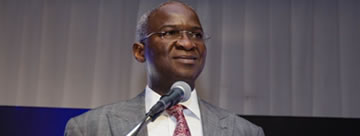
Keynote Speech Of The Honourable Minister Of Power, Works And Housing At The Guardian Power Summit
Keynote Speech At The Guardian Power Summit: "Beyond Rhetoric: Turning Nigeria's Power Sector Value Chain Potentials To Profit" Delivered By Babatunde Raji Fashola, San At Four Points, Lagos On Thursday 14th September 2017
I would like to start by thanking Lady Maiden Alex-Ibru, the chairman and publisher of the Guardian newspaper for inviting me to speak at this forum.
In particular, I have been invited as keynote speaker with the task of "setting the context" around the theme of turning Nigeria's power sector value chain potential to profit.
I welcome the opportunity this platform provides because it provides the Buhari led government a forum of expression to well-meaning and right-thinking persons who want to know what is going on about power.
As my invitation rightly acknowledges, context is important. It provides a rational basis for assessment and a fair determination for deciding whether progress is being made.
So, let us start by going back to May 29, 2015 when this government was inaugurated.
The amount of power available on the grid on that day was 2690 MW. The transmission capacity was around 5000 MW and was then infamously described as the weakest link.
The distribution capacity existing at around 750 33/KV trading points, from where power is received by the DisCos and sent to us, was about 4000 MW.
Clearly, the power then being generated at 2690 MW was not up to the transmission capacity of 5000 MW and was insufficient to fully optimize the distribution capacity of 4000 MW.
Within a few months after President Buhari’s assumption of office, power improved and we all acknowledged. We credited it to the President's ‘body language.’
But the truth was that it had little to do with body language, and more to do with a sense of purpose that people sat up and began to do what ought to be done.
In addition, the rains were upon us in July 2015 to September 2015.
There was Gas supply which allowed the Thermal plants to produce power.
Therefore from Hydro and Thermal sources we reached an all time peak power production of 5,074MW before the damage to the pipelines started and we started losing power.
We cannot damage power and gas assets and still expect them to provide service to us.
It does not make sense.
Instead of rhetoric, this government set to work.
a. Government engaged the aggrieved communities where the attacks were taking place to restore peace.
b. Government repaired the damaged gas pipelines and gradually restored gas supply.
c. Government launched an economic recovery and growth plan which made power supply one of 5 (FIVE) critical pillars.
d. Government launched a Power Sector Recovery Programme to work out and implement policies and actions such as:
i. Constituting the regulatory commission, the Nigerian Electricity Regulatory Commission (NERC); except the Chairman, now awaiting the confirmation of Senate and the Rural Electrification Agency (REA) to Champion solar power development and rural electricity deployment and access.
ii. Payment of debts to specific DisCos, and verification of debts to all others.
iii. Payment assurance guarantee scheme of N701 Billion to give confidence to GenCos, gas suppliers and their financiers that we mean business.
iv. Declaration of eligible customers, to encourage people to invest in building and expanding distribution assets.
v. Development of mini grid regulations to encourage individuals and communities to build their own mini power generation and distribution facilities.
vi. Awarding contracts to complete and expand transmission facilities and building new ones across the country.
Ladies and gentlemen, all of these policies and action go beyond rhetoric.
They are well thought out decisions, consistent with law and informed by a thorough diagnosis of the problems in the sector that have produced a clear set of solutions to deliver incremental power.
The result is that as at 4 September 2017 the available power that can be put on the grid was 6619 MW (the incremental power we sought to achieve from 2069 MW in 2015); the transmission capacity was simulated at 6,700 MW (up from 5,000 MW in 2015) but the distribution capacity was 4,600 MW which was what was put on the grid.
On September 12, 2017, production of power reached an all time level of 7,001 MW.
Clearly this is evidence-based progress, because we now produce more power then we can distribute. This does not mean that we have enough yet. It means that policies are working, but all the problems are not resolved.
We must continue the Power Sector Recovery Programme to impact the distribution end of the value chain so that we distribute and sell everything that we produce as an incentive to more power production and supply.
The recent GDP growth results by NBS, announcing Nigeria's exit from recession, and its detailed sector analysis, shows and I quote:
"Electricity production as well as financial services and construction also grew strongly..."
It went further to provide details by stating that:
"Other sectors the did very well in the second quarter 2017 include electricity and gas and financial institutions, with electricity and gas growing by 35.5%."
I acknowledge that there will be cynics who will say, it was because of the rains. True enough, the rains contributed to the Hydro power increase, but the total Hydro capacity available with the rains from Jebba, Kainji and Shiroro as of 4th of September 2017 was about 1,000 MW, so it is the gas thermal plants, arising from peace efforts and pipeline repairs that made up the difference that made the total available power of 6619 MW that was produced.
Therefore, beyond rhetoric, our next step is to solve the distribution problem.
This involves the sustained implementation of the Power Sector Recovery Programme.
Before I speak to the programme, let me say that although the power sector has been substantially privatized, and therefore it is the private sector that we must look to lead us through this. The sector is a regulated sector, governed by law, the Electric Power Sector Reform Act of 2005, and the regulations made by NERC (the Nigerian Electricity Regulatory Commission) which makes rules and regulations that govern the conduct of all participants in the value chain of power including TCN, the government owned company.
It is these rules and regulations that ensure confidence and predictability in the sector.
Therefore, one of the decisions under the Power Sector Recovery Programme is the enhancement of governance, like the constitution of NERC (that I have referred to), who have issued regulations to guide the development and deployment of mini grids of 100 KW -1 MW which will help distribution as they come on stream.
Another decision is to strengthen the governance of DisCos by reconstituting our board representation in all the discos, a process that is also underway.
Next is the implementation of eligible customers, which is awaiting the finalization of regulations by NERC based on consultations with stakeholders.
The successful implementation of this policy will help heavy power consumers, who are denied power because of defective distribution, to make the investment by building the distribution equipment under arrangements and agreements with the DisCos.
We are also looking at licensing some private power plants who have generation licenses and excess power, but no distribution license, to grant them permits to willing buyers especially in industrial clusters under regulations made by NERC.
Ladies and gentlemen, the Power Sector Recovery Programme also involves producing more power, like:
a. Completing the first phase of 9 (NINE) federal universities out of a planned 37 (THIRTY-SEVEN);
b. The completion of the 240 MW Afam power plant; the 10 MW Kasina wind farm, the 29 MW Dadin Kowa Hydro plant, 30 MW Gurara Hydro plant, the 40 MW Kashimbilla Hydro power plant, the Kaduna 215 MW plant, the Zungeru 700 MW Hydro plant and the Mambilla 3050 MW Hydro plant which was just approved for award;
c. Completing several transmission projects across the country; and
d. Implementing the meter supply and installation plan through licensing of service providers, franchise holders, rural communities meters to be implemented on the regulations by NERC this year.
My time constraints prevents me from going further into detail.
However, I believe that the much I have said reveals that this Government has undertaken a clear diagnosis of the problems, clearly understands them, has evolved solutions to address them, and some of them are already bearing fruit.
Successes so far recorded in power generation and transmission have revealed that the work is far from finished, but the capacity that achieved the success in generation and transmission can demonstrably be transferred to solve the distribution problems.
Finally, I believe that well-meaning and right-thinking Nigerians will agree, that the Buhari Government has gone way beyond rhetoric.
We have evolved solutions that are already contributing to GDP growth, and the promise to do more, unlock the power value chain potential for enterprise and profit clearly lies ahead of us, with the successful implementation of the Power Sector Recovery Programme.
Thank you for listening.
Babatunde Raji Fashola, SAN
Honourable Minister for Power, Works and Housing
Thursday 14th September 2017
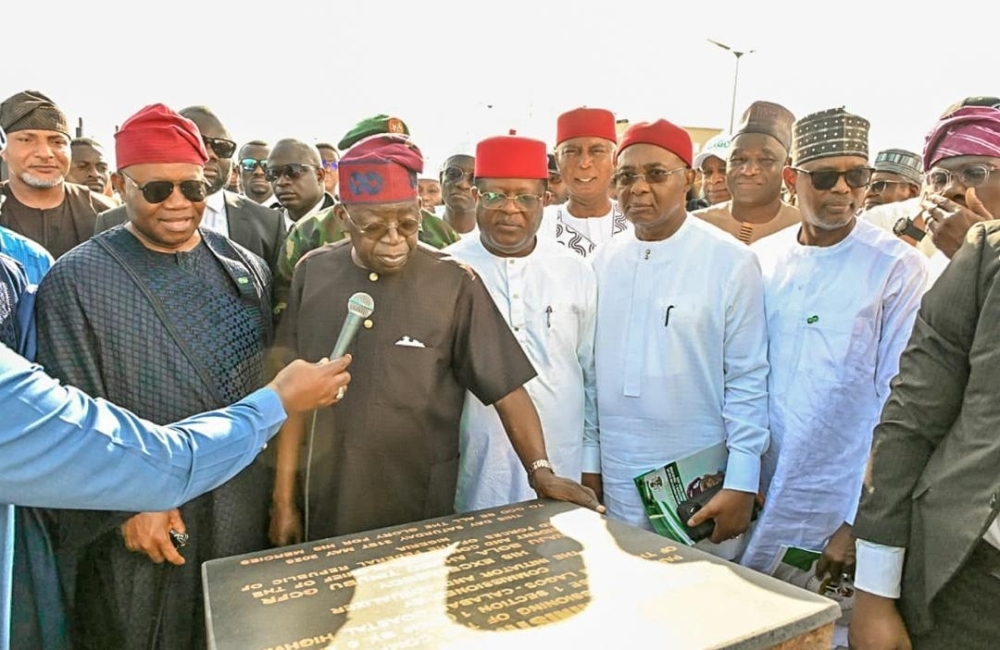
DRIVING NIGERIA’S FUTURE: CELEBRATING TWO YEARS OF TRANSFORMATIVE LEADERSHIP AND THE LAGOS-CALABAR COASTAL HIGHWAY MILESTONE
DRIVING NIGERIA’S FUTURE: CELEBRATING TWO YEARS OF TRANSFORMATIVE LEADERSHIP AND THE LAGOS-CALABAR COASTAL HIGHWAY MILESTONE
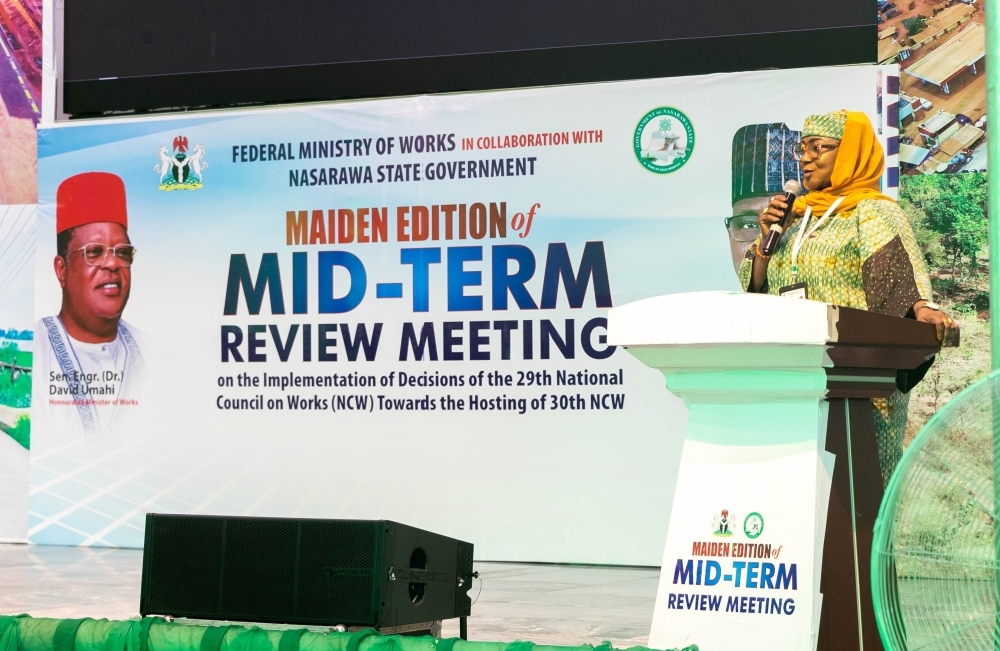
MID -TERM REVIEW MEETING ON THE IMPLIMENTATION OF THE DECISIONS REACHED AT THE 29TH NATIONAL COUNCIL ON WORKS (NCW) DAY 1
MID -TERM REVIEW MEETING ON THE IMPLIMENTATION OF THE DECISIONS REACHED AT THE 29TH NATIONAL COUNCIL ON WORKS (NCW) DAY 1