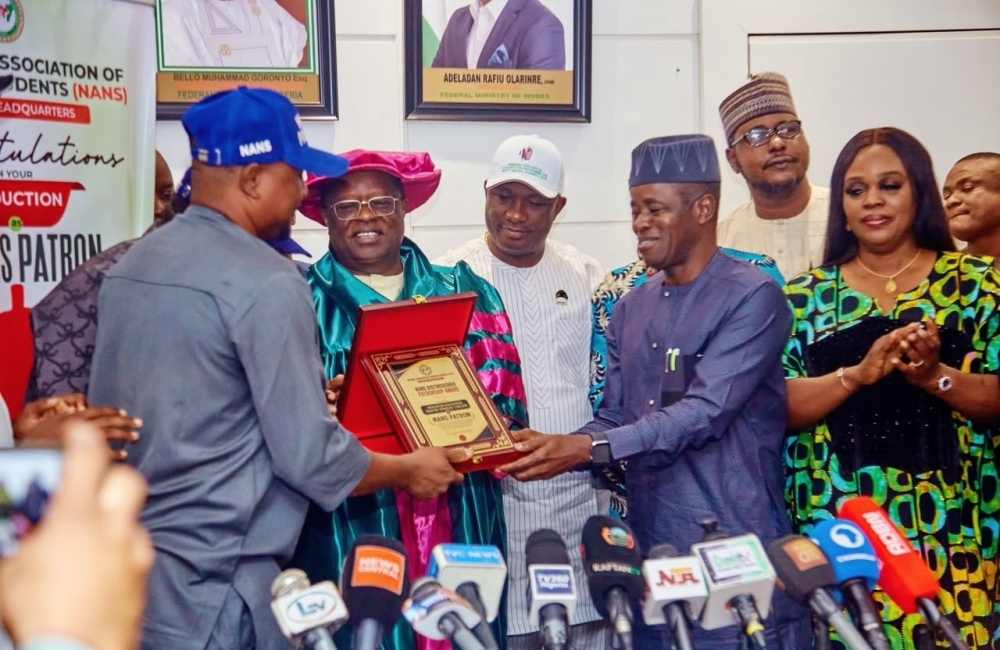
“THE WORST IS OVER; OUR GDP IS GROWING MORE THAN OUR POPULATION. THAT MEANS WE HAVE A FUTURE” - UMAHI TELLS NANS
— As Nigerian Students Induct Him as Grand Patron, Hail Him as “One of the Finest” in Tinubu’s Renewed Hope Cabinet
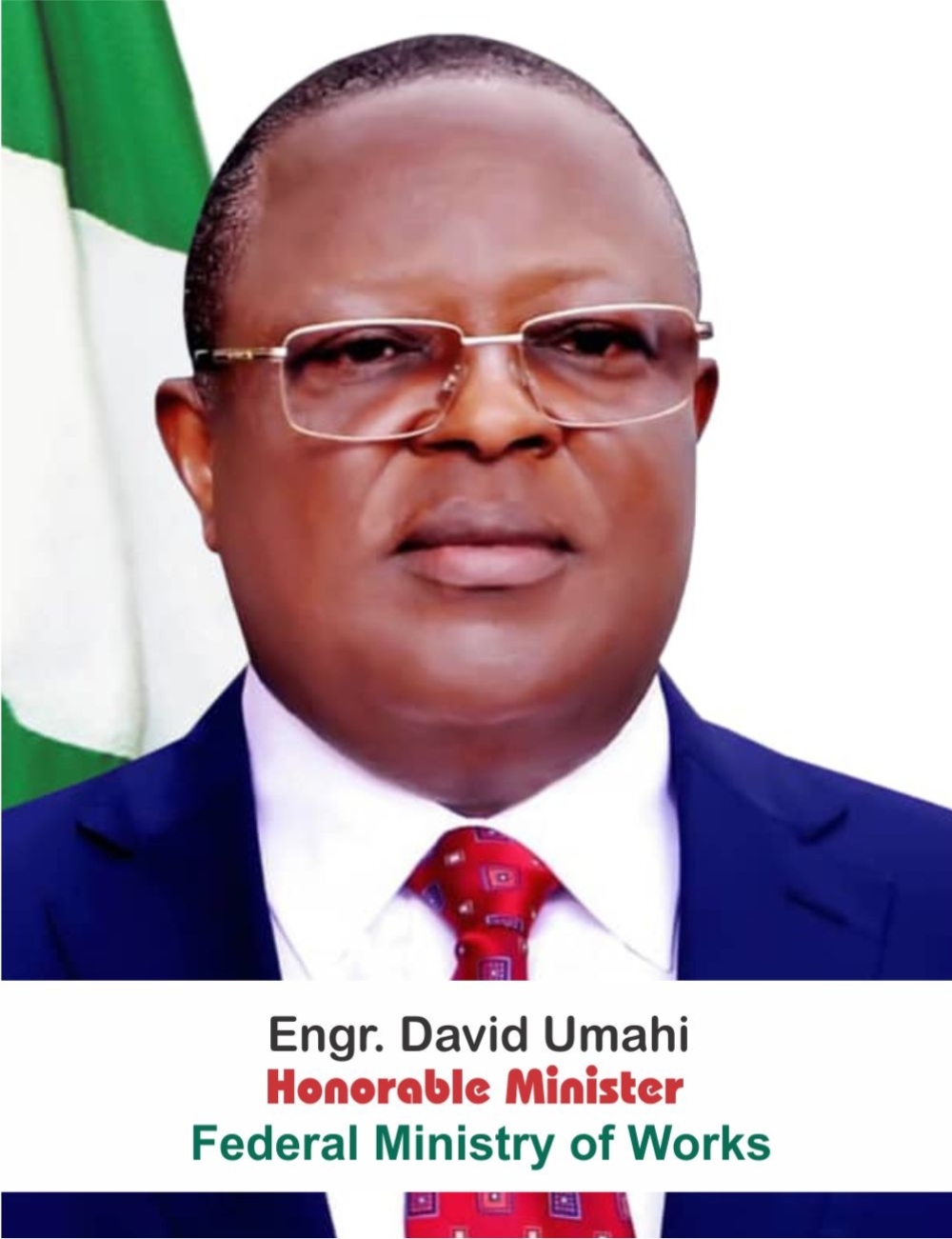
The Minister of Works, Senator Engr. David Umahi, CON, has declared that Nigeria is now seeing stronger economic outlook under President Bola Ahmed Tinubu, noting that the country’s Gross Domestic Product (GDP) is now growing faster than its population.
Umahi made the declaration on Monday, August 10, 2026, at the headquarters of the Federal Ministry of Works in Abuja, while speaking after he was formally inducted as Patron of the National Association of Nigerian Students (NANS).
The minister described the development as a positive indication of Nigeria’s economic prospects, saying, “I was enthused to find out that our GDP is growing more than our population. That means we have a future.”
The NANS leadership, led by its President, Dist. Comr. Akinteye Babatunde Afeez, GCNS, had earlier commended Umahi for his contributions to national infrastructure and described him as “a worthy member of the Renewed Hope Cabinet and, indeed, as one of the finest public servants Nigeria has produced in the contemporary era.”
The students said the recognition was not merely ceremonial but a reflection of Umahi’s visible contribution to road infrastructure and national development under President Bola Ahmed Tinubu’s administration.
According to NANS, the roads and bridges being delivered under Umahi’s supervision are directly connected to the lives of Nigerian students, affecting their mobility, access to educational institutions, examinations, internships, businesses and employment opportunities.
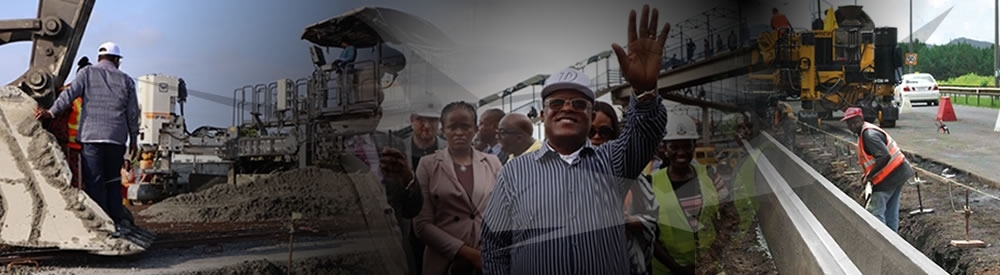
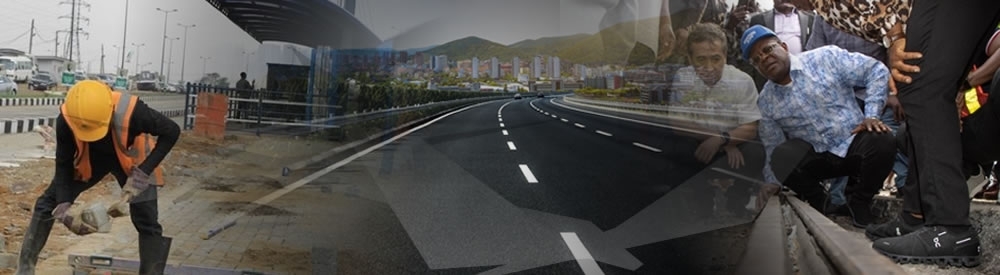
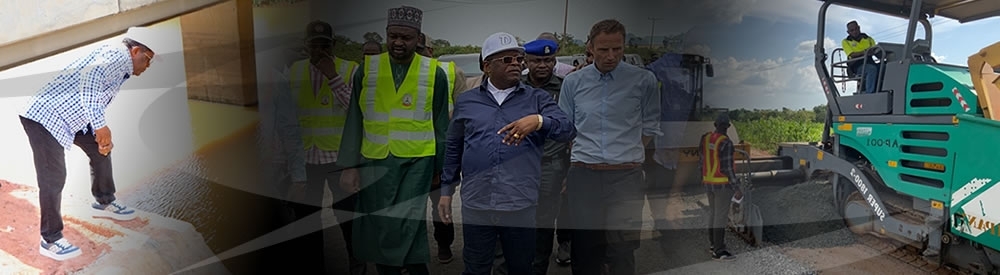
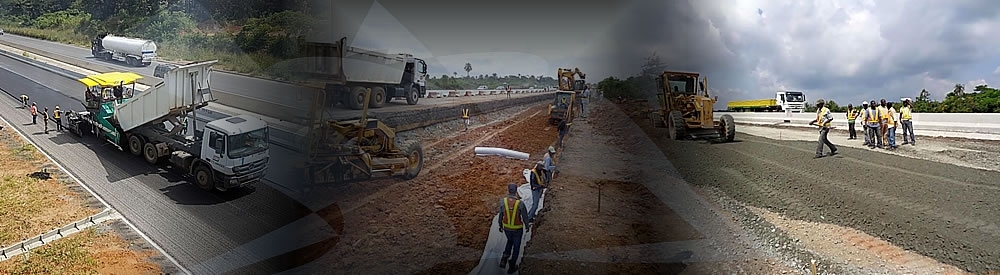
The students specifically cited major projects including the Abuja-Kaduna-Kano Expressway, Abuja-Kaduna-Minna route, Enugu-Port Harcourt Expressway and Lagos-Calabar Coastal Highway as examples of projects they said demonstrate the Federal Government’s commitment to improving national connectivity.
Afeez also disclosed that NANS had studied project reports of the Federal Ministry of Works covering the period between May 2023 and May 2026 and expressed its intention to embark on nationwide project tours to inspect completed and rehabilitated projects.
He said the students would use their platforms to communicate the impact of the projects to millions of Nigerian students, Nigerians and the wider world.
Responding, Umahi challenged Nigerian students and young people to look beyond political sentiments and examine the policies and achievements of the Tinubu administration objectively.
“We have had somebody say, ‘President Tinubu is tired.’ How do you know he is tired? I am part of President Tinubu. The Minister of Interior, the FCT, all the ministers and all the SSAs are vibrant and working. So how do you just jump at that conclusion?”
The minister urged Nigerians to demand concrete alternatives from those criticising the administration.
“If you say that the President is not doing well, what is your alternative?” he asked, stressing that political promises must be backed by clear plans and a credible mission.
He also called on students and other young Nigerians to take a position on issues affecting the country, arguing that remaining neutral in the face of visible progress was not always the right approach.
“You may say that you are not politicians or that you will not take sides, but this is the time to take sides in our national affairs. It is time to take a stand,” Umahi said.
On the economy, the minister acknowledged that the macroeconomy was only beginning to recover but urged Nigerians to consider the condition of the economy before the present administration took office and assess the reforms objectively.
“You may say that the macroeconomy is just beginning to recover. What was it like before the President took over? Everybody agrees that the macroeconomy is being fixed. It is up to you to dissect the ongoing reforms and take a position.”
Umahi also pointed to developments in the education sector, saying the stability being witnessed under the Tinubu administration had created an environment in which students were able to continue their studies without the disruption of nationwide strikes.
“For the first time, students never went on strike. Never. Look at the stability of Nigeria. That has never happened throughout the history of this country.”
“Where is the subsidy money?” Umahi explains
Addressing questions surrounding the removal of fuel subsidy and where the resulting resources were being deployed, Umahi pointed to the scale of ongoing infrastructure projects across the country.
He cited the Abuja-Kaduna-Zaria-Kano road, which he said covers 375 kilometres and, when measured as a dual carriageway, amounts to 750 kilometres.
According to the minister, more than ₦200 billion has already been spent on the project, with 480 kilometres of the dual carriageway completed and further sections nearing completion.
“For the first time, we have been able to complete 118 kilometres of concrete pavement within 30 months. That has never happened,” he said.
The Minister said the remaining works were expected to be completed by November, noting that the two projects on the route have a combined cost of ₦752 billion, with more than 80 percent already paid.
He also highlighted the Sokoto-Zamfara-Zaria corridor, the Benue-Ninth Mile road, and the Bodo - Bonny Island road as examples of projects receiving significant attention under the Tinubu administration.
On the Bonny Island project, he said:
“For the first time, people will move from the island to the mainland in Bonny Island, where the LNG is produced. A project costing ₦280 billion under President Bola Ahmed Tinubu has been completed. The 39.7-kilometre road is fully done, and the people of Bonny are very happy. They are no longer dying at sea. They are now driving through the land.”
The minister also spoke extensively about the administration’s legacy road projects, including the Lagos-Calabar Coastal Highway and the expanded Northeast Fourth Legacy Project.
He disclosed that the Northeast project, originally running from Akwanga through Jos, Bauchi, Gombe and Biu, had been extended through Yobe to Maiduguri, adding another 400 kilometres to the project.
Umahi defended the Lagos-Calabar Coastal Highway against criticisms, saying the project was strategically important to the Niger Delta and would be completed.
“I do not know why people are attacking the Lagos-Calabar Coastal Highway. After all, this is coming from the Niger Delta, where the oil is coming from. Why is nobody attacking the other three Legacy Projects, but this one is being attacked? That is unfair and unrealistic. That project will be completed. In fact, over 50 percent of the entire stretch is already under construction.”
The minister also used the occasion to speak about the development of the Southeast, saying President Tinubu had deliberately embarked on projects aimed at integrating the region into the national infrastructure network.
“The Southeast, for the first time, is being remembered, and I thank the people in the Southeast because sometimes I say, ‘Listen, our people should not be sentimental.’”
He said the administration’s approach to the region was intentional and urged the people of the Southeast to work with other parts of the country.
“The President has a good intention to integrate the people of the Southeast, and I have to be very honest with you. If I were not a minister from the Southeast, we would not have been able to get the projects we have secured. It is intentional on the part of Mr. President. Go and right the wrongs of the Southeast.”
Umahi cited the Enugu-Onitsha Expressway and Enugu-Port Harcourt Expressway among the major projects transforming connectivity in the region.
He also disclosed that President Tinubu had approved the re-scoping and reconstruction of the Lokoja-Benin-Warri corridor, covering a total of 401 kilometres.
The minister was particularly direct in urging the students to support President Tinubu in the 2027 election, arguing that Nigerians should support the administration if they believe its policies are producing results.
“I want you to take a side. If you say you are on the list of a coalition and you say that what we are doing is good, then we have to take a stand to vote for the President in the coming election.”
“Let him finish. Let him take back our country. Let him reposition our country.”
Umahi also urged Nigerians to look beyond political rhetoric and focus on practical solutions to the country’s challenges.
“Listening to others should not mean allowing yourselves to be insulted or blackmailed. Cheap talk will not solve our problems. Nobody is saying what he or she can do differently. The worst is over. The darkest part of the night is an hour before dawn.”
He pointed to the decline in food prices as one of the developments Nigerians should consider in assessing the economy, recalling that a 50-kilogramme bag of rice, which he said had risen above ₦80,000 and at some point reached ₦100,000, was now selling at about ₦58,000.
Umahi also stressed the administration’s commitment to transparency in the execution of road projects, saying the Ministry of Works had opened its projects to scrutiny by anti-corruption agencies.
“Now, why are we doing this? Transparency. We have turned these projects over to the ICPC. They have gone round. We are ready for constructive criticism, and where necessary, we will make amends.”
He added that the Ministry had also written to the Economic and Financial Crimes Commission (EFCC) to inspect its projects. “We have nothing to hide in this administration.”
The minister urged NANS to organise a major student engagement across the geopolitical zones where students could ask questions directly and hear the government’s explanations on its policies and projects.
“Let me defend this administration. Organise it and let me come. Move students from across the zone to a central point where we can talk to them and address their concerns. We have to deliberate on the issues. We have to debate them. Ask your questions, and we will answer them.”
He said he would attend such engagements with some ministers and Senior Special Assistants to the President, stressing that students were important stakeholders in the country’s future.
Umahi further challenged young Nigerians to take responsibility for protecting public infrastructure and contributing positively to national development. “See something, say something. Together, we can take back our country because it belongs to us.”
He said the responsibility for the performance of government should be placed on the officials directly responsible for specific sectors, rather than on the President for every operational issue.
“I am here because the President gave me the responsibility to be in charge of roads and bridges. If I do not do it, I should be the one to be blamed, not the President. I am not the President. The President has divided himself into a number of his appointees. These appointees should be the ones to answer and take responsibility.”
The minister concluded by thanking the students for the recognition and expressing his readiness to deepen collaboration with NANS.
“I want to thank you very much.“
He described the students as important partners in the national development process and encouraged them to remain informed, ask questions and hold leaders accountable.
The NANS President, in his address, said the association considered Umahi worthy of its patronage because of his record of public service, infrastructure delivery and commitment to national development.
He said the roads being constructed under Umahi’s leadership would outlive the present administration and continue to serve generations of Nigerians.
“History will not remember public officers merely because they occupied important offices. History will remember them for what they built, what they changed and the lives they touched.”
Afeez formally welcomed Umahi into the NANS family as Patron, describing the partnership between the student body and the Federal Ministry of Works as an opportunity to bring government projects closer to young Nigerians and deepen informed national discourse.

“THE WORST IS OVER; OUR GDP IS GROWING MORE THAN OUR POPULATION. THAT MEANS WE HAVE A FUTURE” - UMAHI TELLS NANS — As Nigerian Students Induct Him as Grand Patron, Hail Him as “One of the Finest” in Tinubu’s Renewed Hope Cabinet The Minister of Works, Senator Engr. David Umahi, CON, has declared that Nigeria is now seeing stronger economic outlook under President Bola Ahmed Tinubu, noting that the country’s Gross Domestic Product (GDP) is now growing faster than its population. Umahi made the declaration on Monday, August 10, 2026, at the headquarters of the Federal Ministry of Works in Abuja, while speaking after he was formally inducted as Patron of the National Association of Nigerian Students (NANS). The minister described the development as a positive indication of Nigeria’s economic prospects, saying, “I was enthused to find out that our GDP is growing more than our population. That means we have a future.” The NANS leadership, led by its President, Dist. Comr. Akinteye Babatunde Afeez, GCNS, had earlier commended Umahi for his contributions to national infrastructure and described him as “a worthy member of the Renewed Hope Cabinet and, indeed, as one of the finest public servants Nigeria has produced in the contemporary era.” The students said the recognition was not merely ceremonial but a reflection of Umahi’s visible contribution to road infrastructure and national development under President Bola Ahmed Tinubu’s administration. According to NANS, the roads and bridges being delivered under Umahi’s supervision are directly connected to the lives of Nigerian students, affecting their mobility, access to educational institutions, examinations, internships, businesses and employment opportunities. The students specifically cited major projects including the Abuja-Kaduna-Kano Expressway, Abuja-Kaduna-Minna route, Enugu-Port Harcourt Expressway and Lagos-Calabar Coastal Highway as examples of projects they said demonstrate the Federal Government’s commitment to improving national connectivity. Afeez also disclosed that NANS had studied project reports of the Federal Ministry of Works covering the period between May 2023 and May 2026 and expressed its intention to embark on nationwide project tours to inspect completed and rehabilitated projects. He said the students would use their platforms to communicate the impact of the projects to millions of Nigerian students, Nigerians and the wider world. Responding, Umahi challenged Nigerian students and young people to look beyond political sentiments and examine the policies and achievements of the Tinubu administration objectively. “We have had somebody say, ‘President Tinubu is tired.’ How do you know he is tired? I am part of President Tinubu. The Minister of Interior, the FCT, all the ministers and all the SSAs are vibrant and working. So how do you just jump at that conclusion?” The minister urged Nigerians to demand concrete alternatives from those criticising the administration. “If you say that the President is not doing well, what is your alternative?” he asked, stressing that political promises must be backed by clear plans and a credible mission. He also called on students and other young Nigerians to take a position on issues affecting the country, arguing that remaining neutral in the face of visible progress was not always the right approach. “You may say that you are not politicians or that you will not take sides, but this is the time to take sides in our national affairs. It is time to take a stand,” Umahi said. On the economy, the minister acknowledged that the macroeconomy was only beginning to recover but urged Nigerians to consider the condition of the economy before the present administration took office and assess the reforms objectively. “You may say that the macroeconomy is just beginning to recover. What was it like before the President took over? Everybody agrees that the macroeconomy is being fixed. It is up to you to dissect the ongoing reforms and take a position.” Umahi also pointed to developments in the education sector, saying the stability being witnessed under the Tinubu administration had created an environment in which students were able to continue their studies without the disruption of nationwide strikes. “For the first time, students never went on strike. Never. Look at the stability of Nigeria. That has never happened throughout the history of this country.” “Where is the subsidy money?” Umahi explains Addressing questions surrounding the removal of fuel subsidy and where the resulting resources were being deployed, Umahi pointed to the scale of ongoing infrastructure projects across the country. He cited the Abuja-Kaduna-Zaria-Kano road, which he said covers 375 kilometres and, when measured as a dual carriageway, amounts to 750 kilometres. According to the minister, more than ₦200 billion has already been spent on the project, with 480 kilometres of the dual carriageway completed and further sections nearing completion. “For the first time, we have been able to complete 118 kilometres of concrete pavement within 30 months. That has never happened,” he said. The Minister said the remaining works were expected to be completed by November, noting that the two projects on the route have a combined cost of ₦752 billion, with more than 80 percent already paid. He also highlighted the Sokoto-Zamfara-Zaria corridor, the Benue-Ninth Mile road, and the Bodo - Bonny Island road as examples of projects receiving significant attention under the Tinubu administration. On the Bonny Island project, he said: “For the first time, people will move from the island to the mainland in Bonny Island, where the LNG is produced. A project costing ₦280 billion under President Bola Ahmed Tinubu has been completed. The 39.7-kilometre road is fully done, and the people of Bonny are very happy. They are no longer dying at sea. They are now driving through the land.” The minister also spoke extensively about the administration’s legacy road projects, including the Lagos-Calabar Coastal Highway and the expanded Northeast Fourth Legacy Project. He disclosed that the Northeast project, originally running from Akwanga through Jos, Bauchi, Gombe and Biu, had been extended through Yobe to Maiduguri, adding another 400 kilometres to the project. Umahi defended the Lagos-Calabar Coastal Highway against criticisms, saying the project was strategically important to the Niger Delta and would be completed. “I do not know why people are attacking the Lagos-Calabar Coastal Highway. After all, this is coming from the Niger Delta, where the oil is coming from. Why is nobody attacking the other three Legacy Projects, but this one is being attacked? That is unfair and unrealistic. That project will be completed. In fact, over 50 percent of the entire stretch is already under construction.” The minister also used the occasion to speak about the development of the Southeast, saying President Tinubu had deliberately embarked on projects aimed at integrating the region into the national infrastructure network. “The Southeast, for the first time, is being remembered, and I thank the people in the Southeast because sometimes I say, ‘Listen, our people should not be sentimental.’” He said the administration’s approach to the region was intentional and urged the people of the Southeast to work with other parts of the country. “The President has a good intention to integrate the people of the Southeast, and I have to be very honest with you. If I were not a minister from the Southeast, we would not have been able to get the projects we have secured. It is intentional on the part of Mr. President. Go and right the wrongs of the Southeast.” Umahi cited the Enugu-Onitsha Expressway and Enugu-Port Harcourt Expressway among the major projects transforming connectivity in the region. He also disclosed that President Tinubu had approved the re-scoping and reconstruction of the Lokoja-Benin-Warri corridor, covering a total of 401 kilometres. The minister was particularly direct in urging the students to support President Tinubu in the 2027 election, arguing that Nigerians should support the administration if they believe its policies are producing results. “I want you to take a side. If you say you are on the list of a coalition and you say that what we are doing is good, then we have to take a stand to vote for the President in the coming election.” Umahi also urged Nigerians to look beyond political rhetoric and focus on practical solutions to the country’s challenges. “Listening to others should not mean allowing yourselves to be insulted or blackmailed. Cheap talk will not solve our problems. Nobody is saying what he or she can do differently. The worst is over. The darkest part of the night is an hour before dawn.” He pointed to the decline in food prices as one of the developments Nigerians should consider in assessing the economy, recalling that a 50-kilogramme bag of rice, which he said had risen above ₦80,000 and at some point reached ₦100,000, was now selling at about ₦58,000. Umahi also stressed the administration’s commitment to transparency in the execution of road projects, saying the Ministry of Works had opened its projects to scrutiny by anti-corruption agencies. “Now, why are we doing this? Transparency. We have turned these projects over to the ICPC. They have gone round. We are ready for constructive criticism, and where necessary, we will make amends.” He added that the Ministry had also written to the Economic and Financial Crimes Commission (EFCC) to inspect its projects. “We have nothing to hide in this administration.” The minister urged NANS to organise a major student engagement across the geopolitical zones where students could ask questions directly and hear the government’s explanations on its policies and projects. “Let me defend this administration. Organise it and let me come. Move students from across the zone to a central point where we can talk to them and address their concerns. We have to deliberate on the issues. We have to debate them. Ask your questions, and we will answer them.” He said he would attend such engagements with some ministers and Senior Special Assistants to the President, stressing that students were important stakeholders in the country’s future. Umahi further challenged young Nigerians to take responsibility for protecting public infrastructure and contributing positively to national development. “See something, say something. Together, we can take back our country because it belongs to us.” He said the responsibility for the performance of government should be placed on the officials directly responsible for specific sectors, rather than on the President for every operational issue. “I am here because the President gave me the responsibility to be in charge of roads and bridges. If I do not do it, I should be the one to be blamed, not the President. I am not the President. The President has divided himself into a number of his appointees. These appointees should be the ones to answer and take responsibility.” The minister concluded by thanking the students for the recognition and expressing his readiness to deepen collaboration with NANS. “I want to thank you very much.“ He described the students as important partners in the national development process and encouraged them to remain informed, ask questions and hold leaders accountable. The NANS President, in his address, said the association considered Umahi worthy of its patronage because of his record of public service, infrastructure delivery and commitment to national development. He said the roads being constructed under Umahi’s leadership would outlive the present administration and continue to serve generations of Nigerians. “History will not remember public officers merely because they occupied important offices. History will remember them for what they built, what they changed and the lives they touched.” Afeez formally welcomed Umahi into the NANS family as Patron, describing the partnership between the student body and the Federal Ministry of Works as an opportunity to bring government projects closer to young Nigerians and deepen informed national discourse.
“Let him finish. Let him take back our country. Let him reposition our country.”
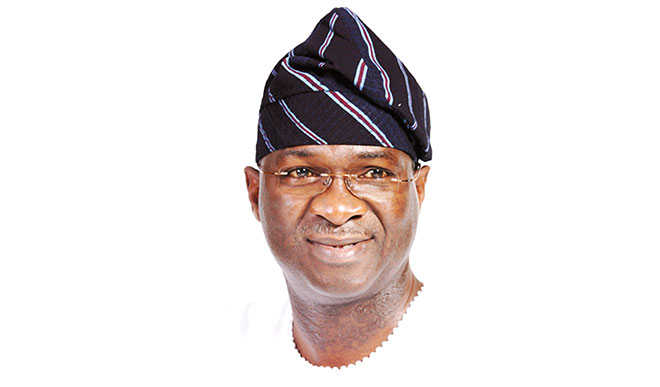
Fashola Charges Universuty DONS To Produce Competitive Graduates -Challenges them on provision of affordable housing for indigent students The Honourable Minister of Power, Works and Housing, Babatunde Raji Fashola, SAN, has appealed to Vice Chancellors of Nigerian Universities to meticulously pay significant attention to the academic curriculum of tertiary institutions, especially as it affects students in the built and construction industry. He added that ‘’this will ensure that Graduates are fit for the ever changing world and can compete favourably with their contemporaries worldwide.’’ The Minister stated this at the High Level Policy Dialogue on Affordable Housing for indigent students and low income earners organised by the Committee of Vice-Chancellors of Nigerian Federal Universities (CVC) in Abuja. Fashola, who was represented by the Minister of State II for Power, Works and Housing, Surv. Suleiman Hassan Zarma, mnis, commended the university Dons for the laudable initiatives of the new pro-poor housing framework aimed at addressing the housing challenges of these categories of people and indeed the entire citizenry. He stated that the CVC’s inspiration stemmed from the PhD work of Dr. Paschal Onyemaechi whose findings and research work has translated into a housing project termed ‘’Build for Nigeria’’ shared the vision of the present administration’s on-going construction of mass and affordable housing across the 36 States of the federation, under the National Housing Programme Scheme. According to the Minister, ‘’it is no longer news that there is a huge housing deficit in the country and that the poor and low income earners are at the receiving end. It is very unfair that our children at our Tertiary Institutions are also grappling with the problem of accommodation.’’ He however assured them that government is mindful of these situations and is heavily investing on infrastructural facilities, site and services schemes, mortgage facilities, Public Private Partnership Schemes and lots more to bridge the gap of the nation’s housing deficits. The Committee of Vice Chancellors of Nigerian Universities which is coordinating collaboration amongst all the 153 universities in Nigeria, has decided to take the lead with the Dialogue, along with other sponsors and professional bodies to identify and proffer possible solutions to the escalating low-income housing deficit and the urban housing crisis in Nigeria. The overall essence of the research is to focus on how the benefits of Public Private Partnership (PPP) can be maximized to improve access to decent and affordable housing for low and middle-income earners in developing economies like Nigeria. The High-Level Policy Dialogue which featured panel discussants, presented a detailed report on the strategies for the implementation of the ‘Build for Nigeria’ solution to the Vice President and other leaders representing various interest groups and the general public. The occasion was graced by the Executive Governor of Kebbi State, Senator Atiku Bagudu, Minister of State for Education, Prof Anthony Anwuka, the Catholic Archbishop of Abuja, His Eminence John Cardinal Onaiyekan, Royal fathers and other keynote speakers. ...
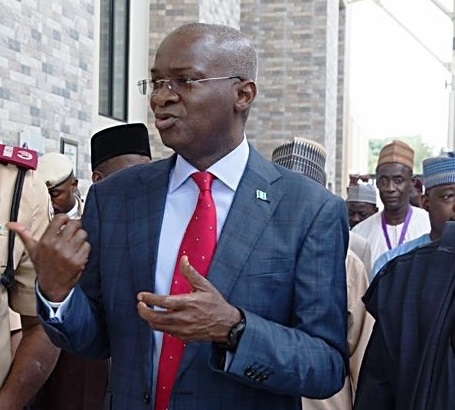
FG Grows Housing Sector For National Development –Fashola The Honourable Minister of Power, Works and Housing, Babatunde Raji Fashola, SAN, has disclosed that the Federal Government is committed to growing the housing sector and harnessing its vast potentials for sustainable national development, stating that housing has been a driver of economic growth throughout the world and that there is no reason why Nigeria cannot achieve same. In his keynote address delivered at this year's World Habitat and World Cities Day commemoration in Abuja, the Minister, represented by the Minister of State II in the Ministry, Surv. Suleiman Hassan Zarma, mnis, said that the dual theme of this year's celebration : ' Housing Policies: Affordable Homes' and 'Innovative Governance, Open Cities, is a "reflection of a strong attempt to follow up on Agenda 2030 and the New Urban Agenda adopted in Quito, Ecuador in 2016". He added that it will afford policy makers in Nigeria the opportunity to review and evaluate past housing policies and assess their impact as well as strategize for the future. He said that government has put in place the necessary machinery to jump- start a housing revolution through the innovative nationwide National Housing Programme. According to him, “the pilot implementation stage has already created opportunities for 634 contractors, created 13,689 direct jobs and 41,000 indirect jobs’’. He noted that if the Programme could be replicated on a yearly basis and also successfully implement the housing cooperatives, leverage private sector capacity, strengthen FHA and FMBN to play their roles, we will be creating an affordable housing economy that will fortify and transform our nation in the nearest future. The Minister stated that, "to complement these efforts, we have activated the Road map for Nigeria's Housing and Urban development Sector, and are in the process of producing a strategic National Physical Development Plan to integrate physical planning with economic development,” adding that the National Building Code was also being revised to curb incessant building collapse in the county and to ensure proper alignment with the International Building Code. In his welcome remarks, the Minister of State I for Power, Works and Housing, Hon Mustapha Baba Shehuri, reminded stakeholders in the housing sector of their duties to develop policies capable of providing basic infrastructures and social services that could be lacking due to rapid urbanization of cities. He said, "We are therefore duty bound to generate responsive policies which are capable of turning around the current poor state of our cities and guarantee efficient delivery of infrastructure and basic social services." In a message from the UN Secretary General, Dr. Joan Clos, delivered by the UN- Habitat Country Programme Manager, Mr Kabir Yari, he said that, "addressing the housing needs for the poorest and most vulnerable, especially women, youths and those who live in slums must be a priority in the development agenda of nations. He also noted that addressing affordability issue in the provision of housing is of strategic importance for development, social, peace and equity in the society and that promoting sound housing policies is crucial for climate change, resilience, mobility and energy consumption". In a paper titled “Cities for all Nigerians: Policy and Implementation of the Global and the New Urban Agenda.” delivered by Professor Banji Oyelaran- Oyeyinka, former Director, Regional Office for Africa, UN-Habitat, he stated that member states, in the New Urban Agenda, agreed “to promote housing policies based on the principles of inclusion, economic effectiveness, and environmental protection.” He noted that for government to ensure the provision of suitable affordable housing for all, it has a large number of policies to develop, ranging from planning problem, zoning issues, funding and constructing adequate transport linkages to other implementation policies. The World Habitat and World cities Day Commemoration is an annual event that comes up in the month of October. It presents an opportunity for nations to review and evaluate their housing policies and their political commitment by providing affordable and sustainable housing for all. ...
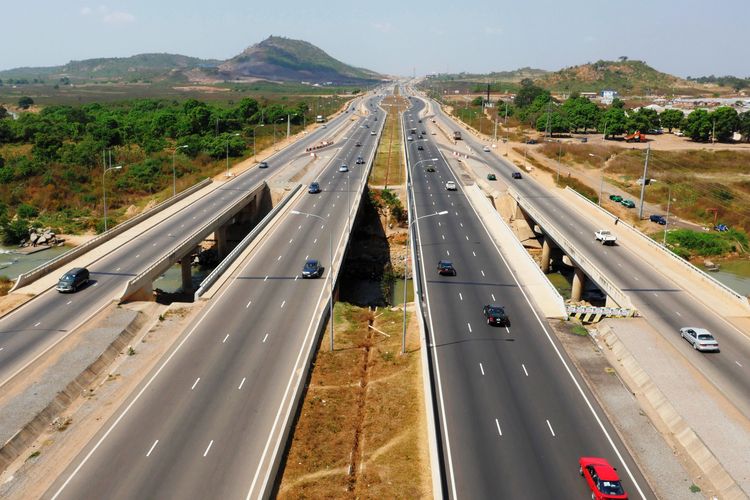
Road Trust Fund (Press Information Package) 1. What is a Road Trust Fund? The Road Trust Fund (RTF) is being set up to facilitate and incentivise private sector involvement in the provision of Nigeria’s Federal road infrastructure. It is a form of Public Private Partnership that will accelerate the provision of Federal Roads by allowing private sector operators to collectively fund road provision in exchange for tax credits. This will complement Federal Government’s budgetary allocation to roads. 2. What are the benefits of the Road Trust Fund? Increases funds available for road development and accelerates road provision across the nation. Reduces pressure on the Federal Budget by allowing private engagement. Allows for cost reduction by providing a new benchmark in road costing. Private sector participation in what was previously a Federal Government monopoly will create more efficient delivery of road projects. Better negotiation and the promise of prompt payment to contractors, is expected to materially reduce project costs. Provides alternate funding to the Government for road infrastructure development. Creates a platform for collaboration among private sector players as well as between private sector and Government. Encourages co-operation in business districts affected by poor road infrastructure which will enhance output and reduce business operating costs. Allows businesses to direct funds that would otherwise have been ‘tax Naira’ into much needed areas of infrastructure. 3. Why is the Government focusing on roads? Federal roads are critical in unlocking socio-economic development. While they account for just 17% of the total national road network, Federal roads carry more than 80% of national vehicular and freight traffic. (Nigeria’s road network consists of 200,000Km of which N33,000km are Federal Roads according to the Ministry of Power, Works and Housing) The deficit in roads is so large that there is a need to mobilise additional funding sources. 4. How does the Road Trust Fund work? The Road Trust Fund is a revision of the existing infrastructure tax relief scheme that allows for tax relief to companies that incur expenditure on public infrastructure. To date, just two companies have been able to take advantage of this provision. The reason being that few companies are large enough to solely undertake road projects. The RTF, being a collective model, can mobilise funds from a range of tax paying companies, irrespective of their location or sector. RTF is it therefore, expected to mobilise significant capital into road provision. RTF uses a collective model to mobilise private capital from companies of all sizes to undertake road projects through a series of Road Trust Funds. Each Fund will be a stand-alone Collective Infrastructure Fund (CIF) using a Special Purpose Vehicle (SPV). We have already consulted with the private sector in the development of the RTF and some companies have already identified roads they wish to reconstruct and are organising their funding. However, this scheme is designed such that Financial Intermediaries will be promoting Road Trust Fund projects and soliciting commitments from interested companies. 5. Why would a private company want to participate in this? Private sector participation is being incentivised through a Tax Credit Scheme that enables all participating companies to claim tax relief based on the amount of capital contribution (on a pro-rata basis). 6. What are the benefits of the Tax Credit Scheme to the private sector? Companies will be allowed to recover 100% of costs incurred on road infrastructure as a tax credit against total tax payable (including up to 10% for cost of funds); Accelerated depreciation to enable recovery in 3 years rather than 4 years for standard assets; and Ability to directly intervene in roads that are critical to their businesses which drives competitiveness. 7. Are there special incentives for building roads in economically disadvantaged areas? Yes. The relief allows for cost recovery within a single year instead of 3 years for economically disadvantaged areas. We are encouraging and facilitating investment across all areas of Nigeria to achieve inclusive economic growth. 8. Would the scheme negatively affect Government revenues? No. The effect of this scheme will be revenue neutral. In addition to the fact that we are already seeing improved performance in our tax receipts by improving tax compliance and blocking loopholes, we are proposing a cap on cost recovery to a maximum of 50% of tax payable by each participant in any year of assessment. This means that in any given year of assessment for tax purposes, at least 50% of total tax payable will be remitted. 9. Currently, road maintenance puts a major strain on budgetary resources, has this been considered? Reducing budgetary pressure is a major advantage of the fund. Participants are required to guarantee the road for 5 years beyond maintenance. 10. Will the Roads be tolled? Once the roads are completed they are handed over to the Federal Government who may decide to toll the roads in accordance with the National Tolling Policy. 11. What is the role of the Ministry of Power Works and Housing ? The Ministry is responsible for approving the road designs, monitoring all approved Road Trust Fund Projects by managing costs and timelines as well as ensuring that equal development across Nigeria by rebalancing the Federal budget, where necessary. 12. How does Government ensure costs are not inflated All costs and contractors will be scrutinised and approved by the Bureau of Public Procurement in line with legal requirements. This will ensure that costs are not inflated and that unqualified contractors are not used on the projects. 13. Would further information be provided to the private sector? Yes. The Ministry of Finance will develop detailed Guidance Notes on the Provisions of the new Infrastructure Tax Incentive within the next 30-days. ...
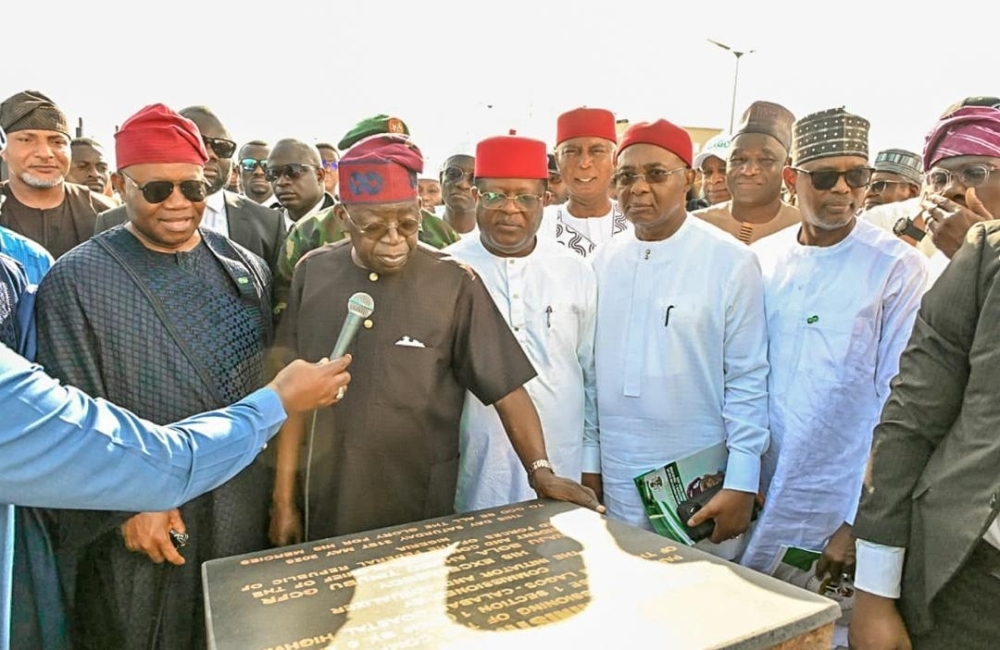
DRIVING NIGERIA’S FUTURE: CELEBRATING TWO YEARS OF TRANSFORMATIVE LEADERSHIP AND THE LAGOS-CALABAR COASTAL HIGHWAY MILESTONE
DRIVING NIGERIA’S FUTURE: CELEBRATING TWO YEARS OF TRANSFORMATIVE LEADERSHIP AND THE LAGOS-CALABAR COASTAL HIGHWAY MILESTONE
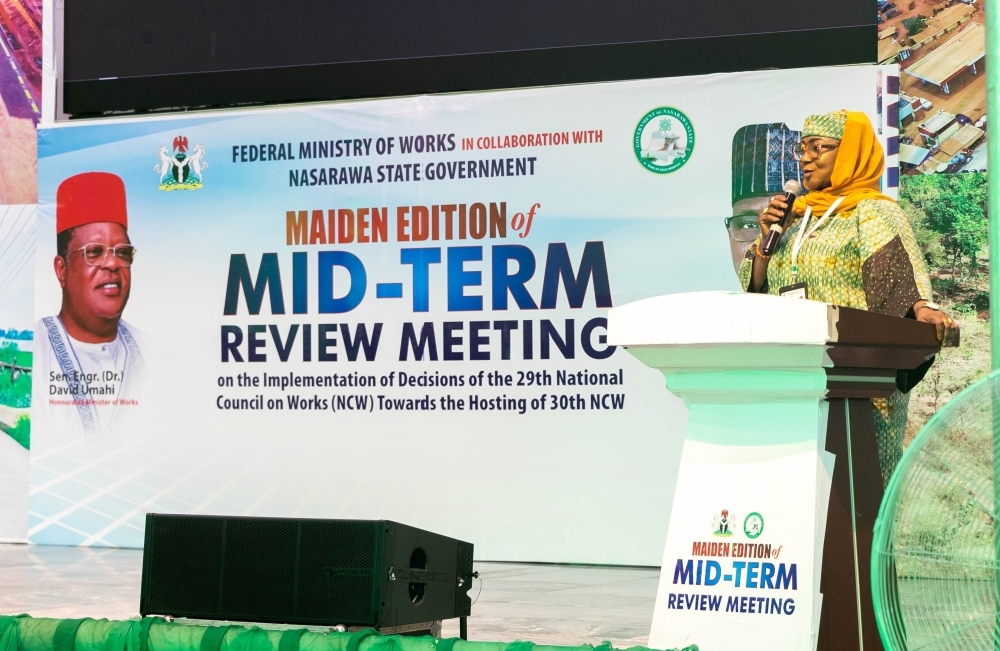
MID -TERM REVIEW MEETING ON THE IMPLIMENTATION OF THE DECISIONS REACHED AT THE 29TH NATIONAL COUNCIL ON WORKS (NCW) DAY 1
MID -TERM REVIEW MEETING ON THE IMPLIMENTATION OF THE DECISIONS REACHED AT THE 29TH NATIONAL COUNCIL ON WORKS (NCW) DAY 1