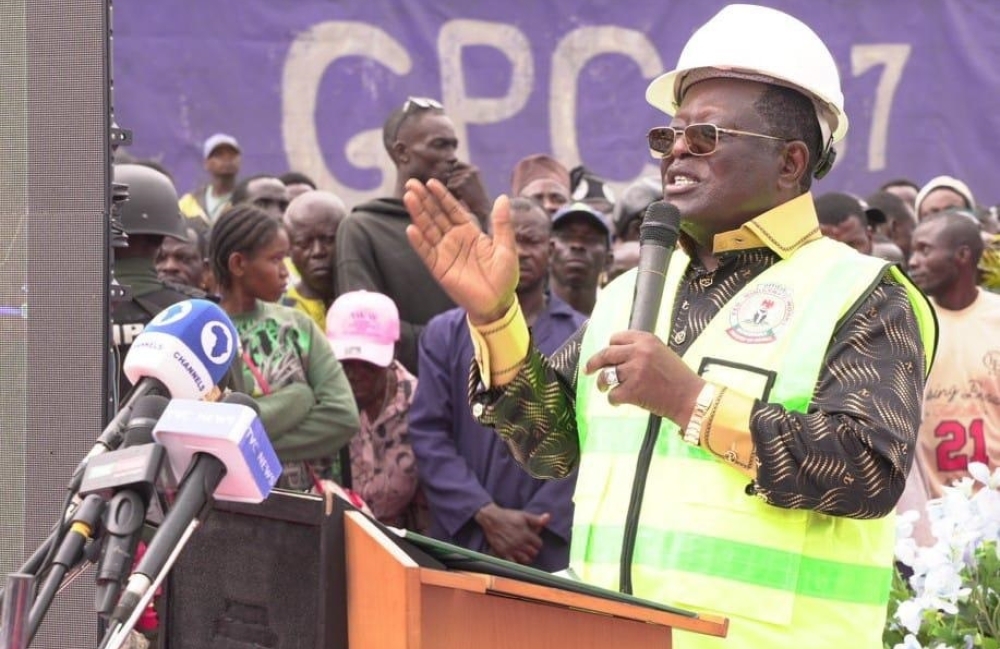
FG EMBARKS ON DECISIVE EMERGENCY INTERVENTION ON BENIN-ASABA EXPRESSWAY
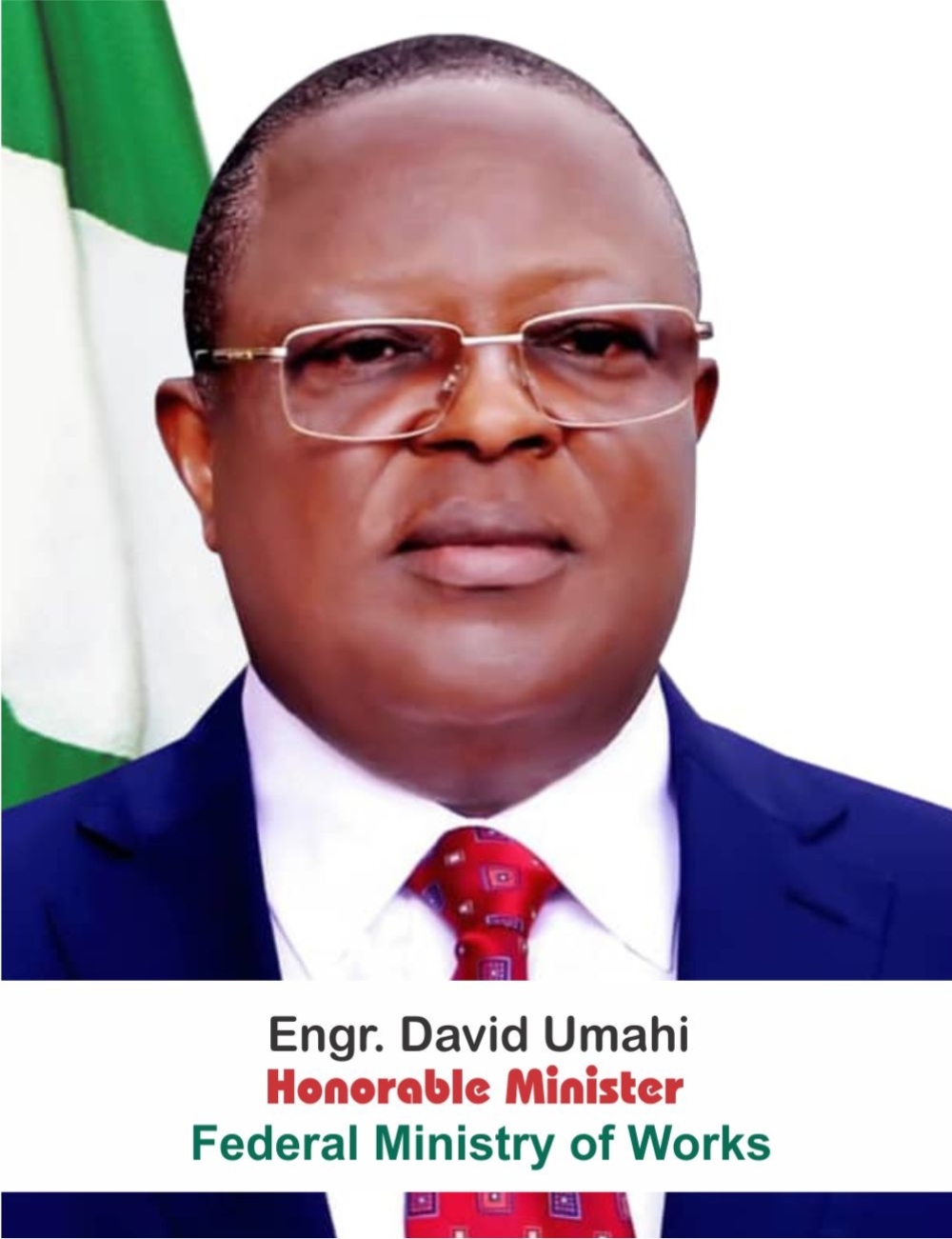
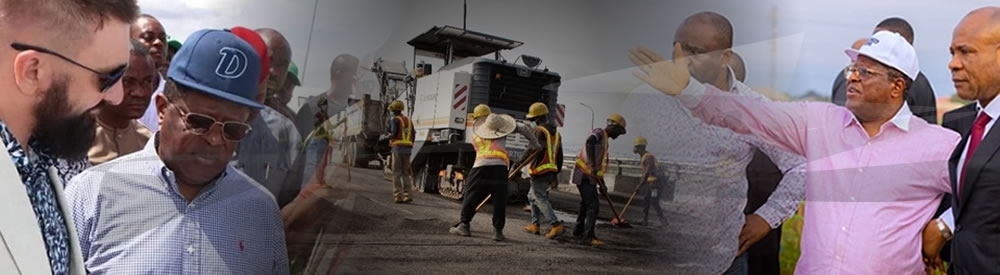
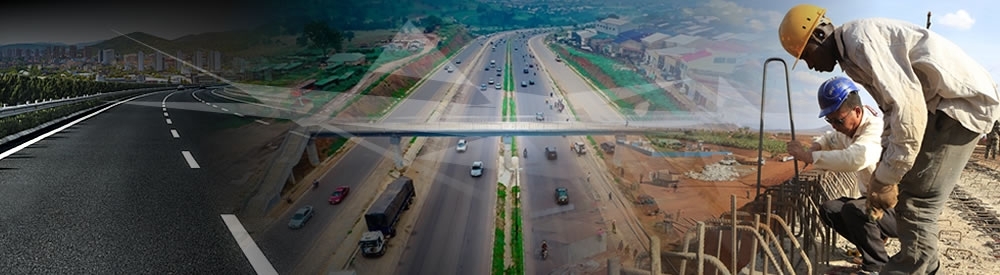
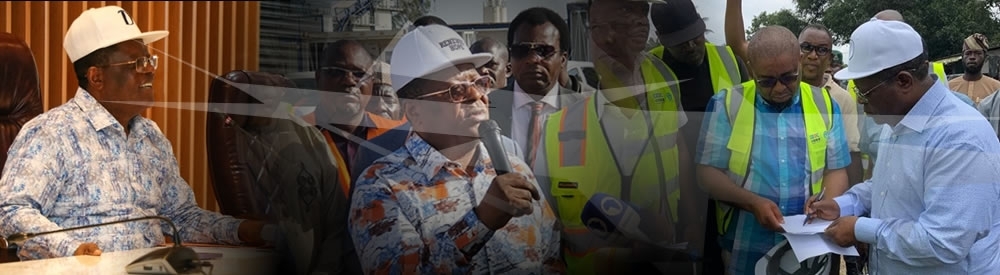
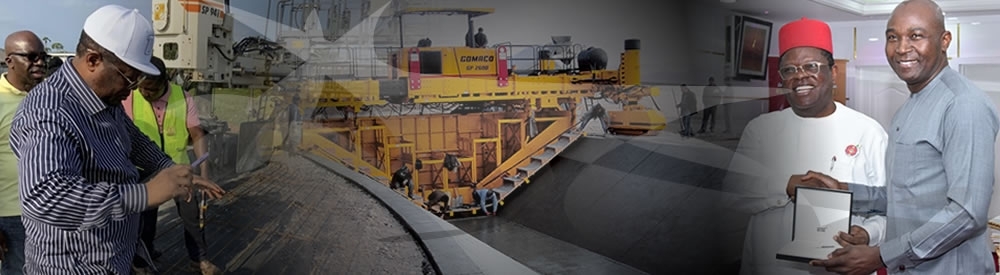
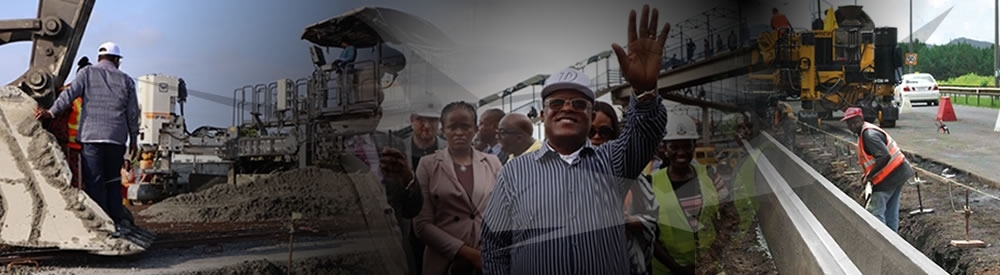
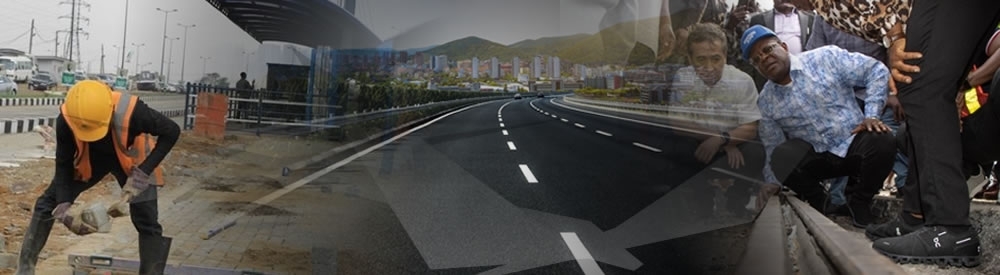
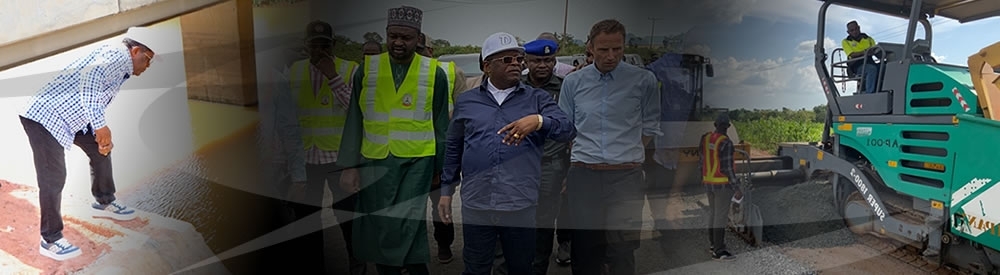
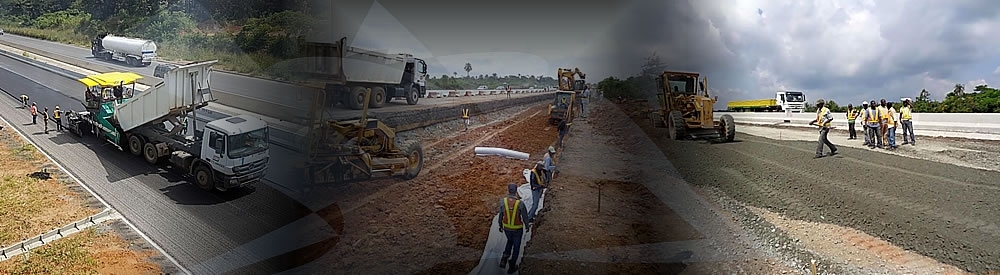
The Honourable Minister of Works, Engr. David Nweze Umahi, CON, FNSE, FNATE, has kick-started the Federal Government’s emergency intervention on the Benin–Asaba Highway under the Ministry’s “Operation Rescue” initiative, aimed at restoring safe, smooth, and uninterrupted movement along the critical corridor. The intervention, to be carried out by the Ministry, through the hiring of equipment and direct implementation, is a demonstration of its determination to address the severe deterioration of sections of the road and bring immediate relief to motorists, commuters, businesses, and the affected communities. He made this known during the inauguration of *"Operation Rescue Benin -Asaba Expressway”* at Benin City, Edo State on Thursday, 24 September, 2026. The Benin–Asaba Highway is a strategic Federal Highway that commences at AIF Roundabout in Benin City, Edo State, and terminates at Summit Junction in Asaba, Delta State, with a distance of 125km. It was concessioned to the Benin-Asaba Expressway Concession Company (BAECC) by the immediate past administration but the handing over of the site was performed by the present one in March, 2025. However, it has since been proven that the Concessionaire lacks the technical and financial capabilities to execute the project. This was established by the *Independent Engineer (I.E.)* for the project, *Messrs Yolas Consultants Limited*.* Considering the plight of road users and the continued deterioration of the concessioned road, the I.E. advised the Ministry to urgently take all necessary steps to save it from further deterioration, avert further gridlock, assuage the suffering of motorists, as well as save the Federal Government from embarrassment.
Engr. Umahi has personally been monitoring the implementation of the concession project, through several site visits and issued instructions via the I.E. for the *Concessionaire* to stick to the Ministry’s standards and methodology, which were not complied with leading to the worsening of the road condition. Hence, the Ministry’s intervention to save the critically failed sections of the Expressway, through the deployment of equipment and personnel.
The Federal Ministry of Works, according to the Minister, is poised to alleviate the hardship being experienced by road users and communities on the corridor, alike. He reiterated that the Federal Government would not allow the condition of a major national artery to continue to undermine economic activities, the movement of people, goods, and services, as well as the safety of road users and the host communities. He stressed that the emergency intervention is focused on achieving immediate traffic relief, while providing a sustainable engineering solution to the identified problem spots.
According to him, the intervention is also being driven by the overriding need to protect public interest and ensure that Nigerians using the road are not left to bear the consequences of the deteriorating infrastructure occasioned by the lapses of the *Concessionaire.* The Minister emphasised that *” this is not a new contract but an immediate solution to the plight of road users.”* He reaffirmed the commitment of President Bola Ahmed Tinubu’s administration to restoring critical road infrastructure across the country and ensuring that emergencies receive prompt and decisive attention.
*“Operation Rescue”* is about immediate action, restoration of movement, and protection of the travelling public and communities along the corridor. *“We are determined to address the failed sections and, thereafter, provide a durable solution that will serve Nigerians for many years,”* the Minister asserted.
Engr. Umahi called on road users and people along the corridor to cooperate with the Ministry’s officials and traffic-management personnel, as emergency works commence, assuring them that the Ministry would continue to monitor progress and take all necessary measures to minimise hardship during the period of the intervention. “*I am pleading with motorists to exercise patience, observe traffic-management directives and drive cautiously around active construction zones,* he stated.
Engr. Umahi highly commended President Tinubu's concern over the well-being of citizens, reiterating that *”the Ministry remains committed to restoring the Benin–Asaba Expressway to a safe, functional and durable condition in the overall interest of Nigerians and the national economy."*
Before this, the Governor of Edo State, His Excellency, Senator Monday Okpebholo had demonstrated his commitment to the welfare of his people during the protest in August, 2026 caused by the bad state of the road by immediately identifying with the situation and dispatching his Chief of Staff to appeal for calm and reassure the affected communities and motorists of immediate remedial action. Speaking at the Ceremony, His Excellency appreciated the President of the Federal Republic of Nigeria for his prompt and decisive intervention, as well as the Minister of Works for his continued commitment to the provision of road infrastructure across the country.
The Governor of Delta State, His Excellency, Sheriff Oborevwori, represented by his Deputy, Charles Anaogu, expressed much gratitude for the immediate response in restoring the all-important road. *”It is a well-desired action to better the lives of the people of Delta State and the general public,* he added.
The *representative of the Managing Director of the Niger Delta Development Commission (NDDC),* applauded the President for his commitment to the development of the Niger Delta region. He also commended the Honourable Minister for his steadfastness to the welfare of the people of the zone and Nigerians, at large.
Delivering the Welcome Address earlier, the Special Adviser to the Edo State Governor on Project Implementation and Monitoring, Engr. Phoebe William Bello, described the rescue operation as very timely in reinstating the critical transportation corridor connecting communities, facilitating mobility, commerce and trade between Edo and Delta States with the other parts of the country. Therefore,*its importance cannot be overstated,”* she noted.
The occasion was graced by lots of dignitaries and Goodwill Messages were delivered by the Deputy Governors of Edo and Delta States, the Rt. Honourable Speaker of the Edo State House of Assembly, the Youth Leader of Ikpaba Hill Community, and other stakeholders, who unanimously eulogised the Federal Government’s proactive response.

FG EMBARKS ON DECISIVE EMERGENCY INTERVENTION ON BENIN-ASABA EXPRESSWAY The Honourable Minister of Works, Engr. David Nweze Umahi, CON, FNSE, FNATE, has kick-started the Federal Government’s emergency intervention on the Benin–Asaba Highway under the Ministry’s “Operation Rescue” initiative, aimed at restoring safe, smooth, and uninterrupted movement along the critical corridor. The intervention, to be carried out by the Ministry, through the hiring of equipment and direct implementation, is a demonstration of its determination to address the severe deterioration of sections of the road and bring immediate relief to motorists, commuters, businesses, and the affected communities. He made this known during the inauguration of *"Operation Rescue Benin -Asaba Expressway”* at Benin City, Edo State on Thursday, 24 September, 2026. The Benin–Asaba Highway is a strategic Federal Highway that commences at AIF Roundabout in Benin City, Edo State, and terminates at Summit Junction in Asaba, Delta State, with a distance of 125km. It was concessioned to the Benin-Asaba Expressway Concession Company (BAECC) by the immediate past administration but the handing over of the site was performed by the present one in March, 2025. However, it has since been proven that the Concessionaire lacks the technical and financial capabilities to execute the project. This was established by the *Independent Engineer (I.E.)* for the project, *Messrs Yolas Consultants Limited*.* Considering the plight of road users and the continued deterioration of the concessioned road, the I.E. advised the Ministry to urgently take all necessary steps to save it from further deterioration, avert further gridlock, assuage the suffering of motorists, as well as save the Federal Government from embarrassment. Engr. Umahi has personally been monitoring the implementation of the concession project, through several site visits and issued instructions via the I.E. for the *Concessionaire* to stick to the Ministry’s standards and methodology, which were not complied with leading to the worsening of the road condition. Hence, the Ministry’s intervention to save the critically failed sections of the Expressway, through the deployment of equipment and personnel. The Federal Ministry of Works, according to the Minister, is poised to alleviate the hardship being experienced by road users and communities on the corridor, alike. He reiterated that the Federal Government would not allow the condition of a major national artery to continue to undermine economic activities, the movement of people, goods, and services, as well as the safety of road users and the host communities. He stressed that the emergency intervention is focused on achieving immediate traffic relief, while providing a sustainable engineering solution to the identified problem spots. According to him, the intervention is also being driven by the overriding need to protect public interest and ensure that Nigerians using the road are not left to bear the consequences of the deteriorating infrastructure occasioned by the lapses of the *Concessionaire.* The Minister emphasised that *” this is not a new contract but an immediate solution to the plight of road users.”* He reaffirmed the commitment of President Bola Ahmed Tinubu’s administration to restoring critical road infrastructure across the country and ensuring that emergencies receive prompt and decisive attention. *“Operation Rescue”* is about immediate action, restoration of movement, and protection of the travelling public and communities along the corridor. *“We are determined to address the failed sections and, thereafter, provide a durable solution that will serve Nigerians for many years,”* the Minister asserted. Engr. Umahi called on road users and people along the corridor to cooperate with the Ministry’s officials and traffic-management personnel, as emergency works commence, assuring them that the Ministry would continue to monitor progress and take all necessary measures to minimise hardship during the period of the intervention. “*I am pleading with motorists to exercise patience, observe traffic-management directives and drive cautiously around active construction zones,* he stated. Engr. Umahi highly commended President Tinubu's concern over the well-being of citizens, reiterating that *”the Ministry remains committed to restoring the Benin–Asaba Expressway to a safe, functional and durable condition in the overall interest of Nigerians and the national economy."* Before this, the Governor of Edo State, His Excellency, Senator Monday Okpebholo had demonstrated his commitment to the welfare of his people during the protest in August, 2026 caused by the bad state of the road by immediately identifying with the situation and dispatching his Chief of Staff to appeal for calm and reassure the affected communities and motorists of immediate remedial action. Speaking at the Ceremony, His Excellency appreciated the President of the Federal Republic of Nigeria for his prompt and decisive intervention, as well as the Minister of Works for his continued commitment to the provision of road infrastructure across the country. The Governor of Delta State, His Excellency, Sheriff Oborevwori, represented by his Deputy, Charles Anaogu, expressed much gratitude for the immediate response in restoring the all-important road. *”It is a well-desired action to better the lives of the people of Delta State and the general public,* he added. The *representative of the Managing Director of the Niger Delta Development Commission (NDDC),* applauded the President for his commitment to the development of the Niger Delta region. He also commended the Honourable Minister for his steadfastness to the welfare of the people of the zone and Nigerians, at large. Delivering the Welcome Address earlier, the Special Adviser to the Edo State Governor on Project Implementation and Monitoring, Engr. Phoebe William Bello, described the rescue operation as very timely in reinstating the critical transportation corridor connecting communities, facilitating mobility, commerce and trade between Edo and Delta States with the other parts of the country. Therefore,*its importance cannot be overstated,”* she noted. The occasion was graced by lots of dignitaries and Goodwill Messages were delivered by the Deputy Governors of Edo and Delta States, the Rt. Honourable Speaker of the Edo State House of Assembly, the Youth Leader of Ikpaba Hill Community, and other stakeholders, who unanimously eulogised the Federal Government’s proactive response.

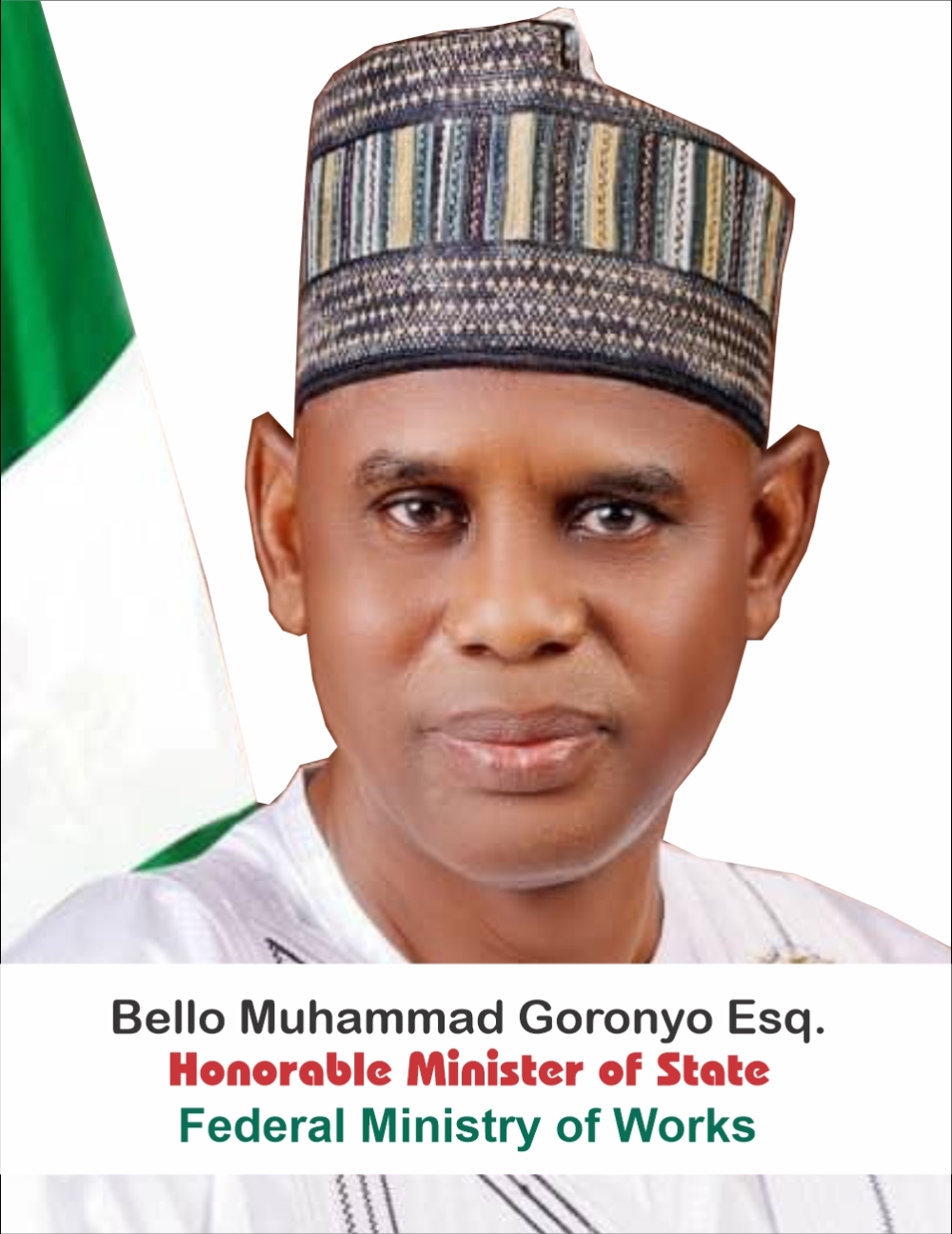
FG COMMITTED TO EXECUTING PROJECTS THAT WILL BETTER THE LIVES OF NIGERIANS - GORONYO The Honourable Minister of State for Works, HMSW, Mohammad Bello Goronyo, Esq has reiterated the Federal Government’s unflinching commitment to providing quality infrastructure designed to improve the living conditions of the Nigerian people, through well thought out and strategically delivered projects. Goronyo made this statement on Tuesday, 17th December, 2024, at the official commissioning ceremony of solar- powered streetlights along Sultan Abubakar International Airport Road in Sokoto, Sokoto State, stating that, amongst other benefits, the streetlights will create visibility, improve the socioeconomic wellbeing of the community, ease travel stress on the road users, as well as mitigate security challenges. While also maintaining that the project is very strategic because it is both an entry point for travelers to Sokoto through the Airport and the fact that Sokoto is the coordinating nerve center of the adjoining states of Zamfara and Kebbi, the HMSW insisted that the commissioning aligns effectively with the vision of President Tinubu’s Renewed Hope Agenda. He described the President as a committed, astute and patriotic leader, who is all out to ameliorate the living conditions of Nigerians, as well as to right the many wrongs of yester years. He congratulated the Federal Airport Authority of Nigeria (FAAN) and communities within the corridor for having the streetlights, also urged them to take ownership of the project and full advantage of the inherent opportunities. The Managing Director/CEO, Federal Road Management Agency (FERMA) Engr. Chukwuemeka Agbasi, described the project as iconic and of strategic importance to Sokoto, as it will enhance travel experience and the economic lives of the people being capable of prolonging their trading time. The Honourable Minister and the MD/CEO, thereafter, led other dignitaries and stakeholders to commission the Sokoto - Ilela Road, recently rehabilitated by FERMA. It is about 58 kilometres, linking Sokoto to the border town on the Nigeria-Niger Republic border. The Minister described the project as very strategic, as it is capable of providing employment opportunities, as well as curbing threats of insecurity. He, however, warned that the palliative works were done through taxpayers’ money, warning that Government will not continue to fold its arms, while road users, especially articulated vehicles damage it without paying. “Vehicles found damaging the roads will be impounded and made to pay for it before they are released, to serve as deterrent to others,” Goronyo further warned. ...
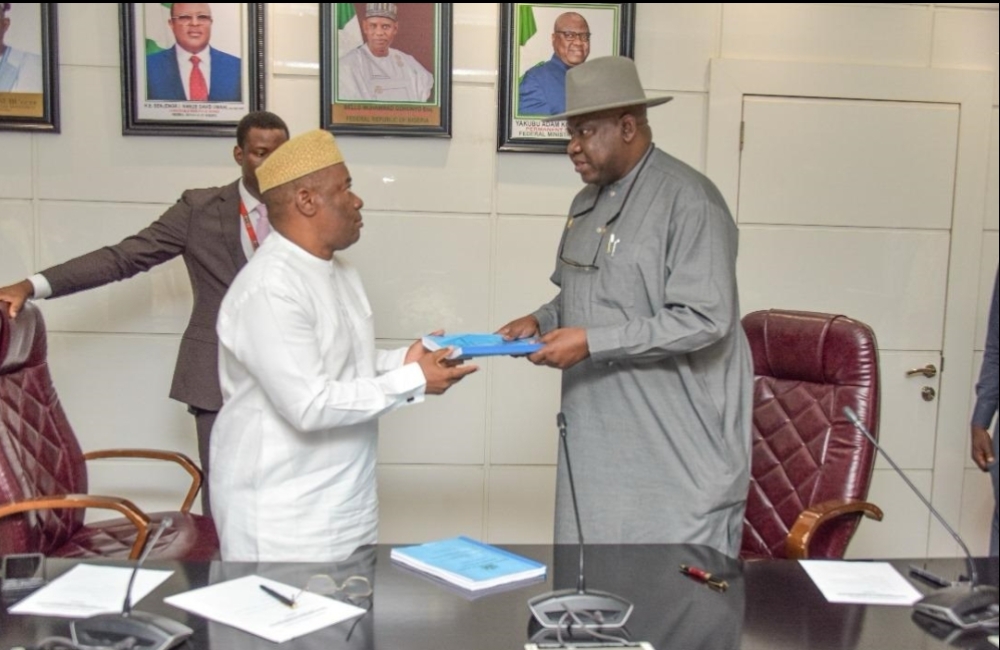
Adebiyi Takes Over from Kofarmata as Permanent Secretary, Federal Ministry of Works Engr. Olufunsho Olusesan Adebiyi has taken over as Permanent Secretary, Federal Ministry of Works from Yakubu Adams Kofarmata, Ph.D, Tuesday, 17th December, 2024. The handing over ceremony, which was brief, took place on Tuesday, 17th December, 2024. While addressing Management and Staff, the outgoing Permanent Secretary commended them for working with him, harmoniously, also appealed to them to extend the same to his successor to enable him to succeed in his new assignment. He pleaded, "I beg of you, extend the same hands of cooperation, support and comradeship to him and I am sure you will never regret it.” In his acceptance speech, the incoming Permanent Secretary applauded the outgoing for his excellent track record, while in office, noting that many of the Ministry’s staff have learnt a-lot from working with him. He added that Kofarmata has always been there for the Staff of the Ministry day in, day out towards ensuring that the proper things were done. While soliciting for equal or more dedication and cooperation, Adebiyi disclosed that the challenges facing the Ministry and the country, at large, are enormous, insisting that only when all hands are joined together, would they be tackled. According to him, "I want to assure you that I will do my best by the grace of God. The challenges are enormous before us and I am sure that we would overcome them, together.” He emphasized that one of the challenges being faced by the Ministry is the allegation of lopsidedness in the geopolitical spread of projects, stressing that one region will accuse the Ministry of not having as much as the others and the others would, likewise, do the same. Adebiyi assured that with God, the issues would be resolved, amiably. The Permanent Secretary pleaded that "I want to appeal to all of us to ensure that we strive toward delivering on the mandate of Mr. President to provide critical road infrastructure, in line with the Renewed Hope Agenda.” Engr. Adebiyi is being redeployed from the State House, while Kofarmata is reporting to the Office of the Head of the Civil Service of the Federation (OHCSF) for further posting. ...
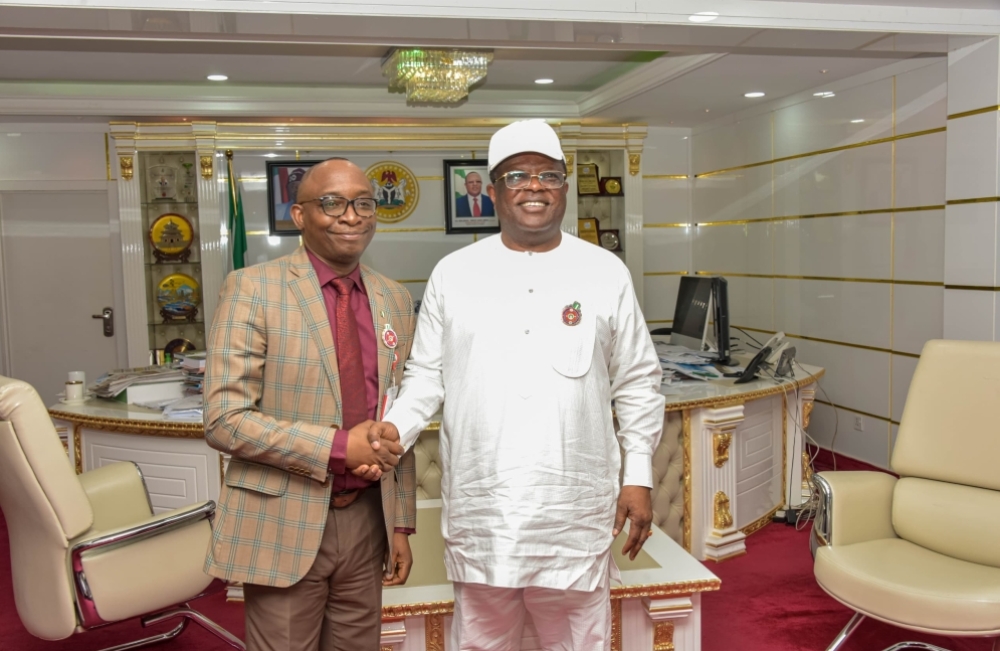
HONOURABLE MINISTER OF WORKS MEETS WITH BUREAU OF PUBLIC PROCUREMENT (BPP) HARPS ON NEW PARADIGM OF SEAMLESS BUREAUCRACIES TO END DELAYS IN PROJECT EXECUTION As part of efforts to end delays in the implementation of the Renewed Hope agenda on the road sector development, the Honourable Minister of Works, His Excellency, Sen. Engr. Nweze Umahi, CON has had a partnership discussion with the management of the Bureau of Public Procurement. (BPP) on the need for a new paradigm of seamless bureaucracies in public procurement processes for efficient and timely project delivery. In a meeting held at the Federal Ministry of Works, Mabushi-Abuja on 10th December 2024, the Honourable Minister stated that for the works sector to achieve greater prospects in innovation, efficiency, and economy in the road infrastructure revolution agenda of the present administration and to best respond to the citizens’ yearning for road sector intervention, there must be a deliberate effort to remove all bureaucratic constraints to project evaluation by the Bureau of Public Procurement. He noted the core mandates of the Bureau, which among others are to foster accountability, consistency in pricing, effectiveness in contract execution, and value for money, and urged them to see delay as one of the greatest inhibitors of the objectives of the establishment of the Bureau. "We seek closer cooperation and collaboration to enable the Ministry to Fastrack delivery of the road infrastructure projects inherited and those initiated by the Renewed Hope administration. When we came on board, we insisted on best practices, and we introduced innovations to ensure we give Nigerians enduring road infrastructure that is fit for purpose. We therefore need a collaborative resolve to end unnecessary delays in the procurement processes." He pointed out that different procurement methods, including restrictive, selective, and competitive bidding measures, are geared towards achieving value for money and effective service delivery to Nigerians. On his part, the Director-General, Bureau of Public Procurement, Dr. Adebowale Adedokun commended the Honourable Minister for the purposeful initiatives of the Federal Ministry of Works under his watch and assured him of enhanced synergies with the Ministry so that the noble objectives of the Renewed Hope administration of His Excellency, President Asiwaju Bola Ahmed Tinubu, GCFR, on the works sector would be achieved. He said, “The interesting thing about you is that you don't fail in your duty, which I have observed. You start, you end with something that is unique about you, and you're passionate about what you want to do. We are glad when you extended the invitation for us to come here. We know you see BPP as a worthy partner towards ensuring that Mr. President's objectives in respect of road infrastructure are achieved timely, transparently, and well-accounted.” He thanked the Honourable Minister for the initiative to hold the meeting to discuss areas of procurement challenges. He said, “We are here to hear your challenges, and for us to also hear our own challenges and reach an understanding of how to make sure we work together to achieve the same goal for logical completion. From my experience in this job over the years, works is an arm of government that Nigerians see every day. They talk about it every day. If there is the agency or Parastatal or Ministry that if things fail, then all Nigerians will shout against Mr. President, it is the Ministry of Works. So we place serious premium on closely working with you to ensure we deliver on the mandates in a way that value for money is achieved, in a way that sustainability of what we have on ground is improved upon and even the quality of the roads that we deliver. I think our partnership with you, Your Excellency, is that the quality of the roads that we see must return back to the days when we constructed a road that 25 years later is still intact.” The meeting was attended by directors of key departments of both the Ministry and the Bureau, including Engr. Bede U. Obioha, Director Highways Bridge and Design, Engr. Musa Saidu, Acting Director Highways Road Design and Engr. Clement Ogbuagu, Director Highways Construction and Rehabilitation Federal Ministry of Works, as well as Nasir M. Bellow, Isaiah G. Yesufu, Janet McDickson, Directors of the Bureau of Public Procurement. ...
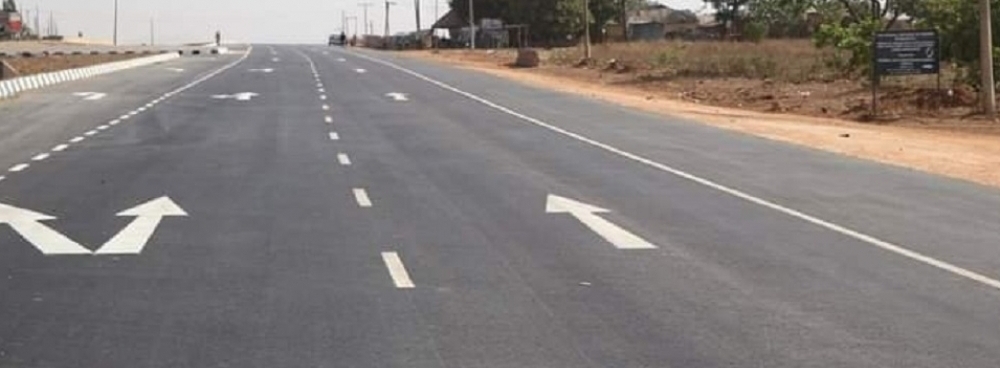
Work progressing steadily on Abuja-Kaduna-Zaria-Kano Road Project - Minister
Minister of State for Works and Housing, Engineer Abubakar D. Aliyu (FNSE) has said that construction work is progressing steadily on the ongoing reconstruction of Abuja-Kaduna-Zaria-Kano Road and would be completed and delivered on time.
The Minister stated this on Thursday 11th February, 2021 while inspecting the project to assess the progress of the ongoing work.
“We are satisfied with the quality of work going on and we are working to increase the pace of the work. You can see that work is going on simultaneously on all sections of both lanes of the dual carriage 375km long road from Abuja-Kaduna-Zaria- Kano" he said
He explained that the work was initially for rehabilitation but now full reconstruction work was being done and this had delayed the job.
He said: “We are fully committed both from the President Muhammadu Buhari, the Honourable Minister, the Engineers and the Contractor to deliver the project in good time. We will deliver a quality work that will stand the test of time."
Speaking further, the Minister said that Federal Government had prioritized the project and this accounted for the high level of inspection going on the project because Government wanted to finish the project on time.
On the level of work done so far, the Minister said: "We have made a lot of progress. You can see that over 100km of the road, at a stretch, had been completed under sections one to three (Abuja-Kano) , 40km completed under section II (Kaduna-Zaria), and 70km completed under section III (Zaria-Kano)"
He stated that while some sections of the roads were at different levels of completion, section II would be delivered by first quarter of 2022 while section III would be completed by first quarter of 2023.
On his part, the Federal Controller of Works, Kaduna, Engineer Zira Adamu said that the quality of materials as well as the workmanship deployed for the works was satisfactory.
"The contractor is fully mobilized to site and since then work on the project has moved to five work zones and we are satisfied with the pace and quality of work.", he said.
On the challenges being faced, the Regional Manager of Julius Berger Nigeria Limited, Engineer Benjamin Bott lamented that despite the provision of warning / caution signs and traffic control devices to improve safety at diversions within the construction zones some motorists often disregard the signs thereby causing accident.
He added that the prevalence of kidnapping and armed robbery along the project corridor was also affecting their work.
The Abuja-Kaduna-Zaria-Kano road reconstruction project was awarded to Julius Berger Nigeria Plc on 20th December, 2017 and the project commenced on 21st May, 2018 with 36 months completion period.
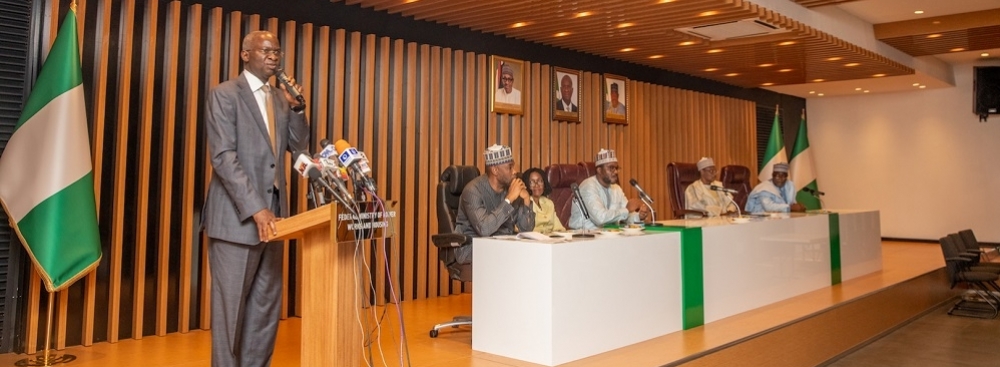
Speech Delivered By H.E, Babatunde Raji Fashola, SAN At Press Briefing On National Infrastructure Maintenance Framework At Federal Ministry Of Power, Works And Housing Headquarters Mabushi, Abuja
I welcome you warmly to this press briefing to share information about two very important developments that occurred in the month of January 2019.
The first was that on the 9th January 2019, the Federal Executive Council, Nigeria's highest decision making organ of the Executive arm of government approved a National Maintenance Framework for public buildings.
The second is that on the 24th January 2019, President Muhammad Buhari signed into law a bill to prohibit discrimination against persons living with disabilities which included provisions for specific actions that must be taken within a period of 5 (FIVE) years to provide opportunities for such persons to live as normal a life as possible.
This briefing is meant to discuss what these developments mean for Nigeria and Nigerians, and to highlight the possibilities that they offer for our way of life and our economy.
National Maintenance Framework for Public Buildings
Let me start with the National Maintenance Framework on Public Buildings and first point out that for now, this only applies to public buildings but will ultimately extend to other public assets like roads, bridges, rail, power installations and other infrastructure of a public nature.
What the FEC approval means is that after decades of agonizing about lack of maintenance, the Buhari government has chosen to act.
This is policy decision of enormous profundity because the records do not indicate that any such policy decision has previously been taken at the federal level.
The decision was provoked by a memorandum from the Ministry of Power, Works and Housing that challenged the conventional thinking that "Nigeria does not have a maintenance culture".
The memorandum argued and FEC agreed, that maintenance of infrastructure whether public or private, is not a cultural issue but an economic one.
The memorandum showed that in the built industry, only about 23% of the workforce is employed by Design (6%) and Construction (15%), Governance (2%) , while the remaining 77% are employed by Maintenance and operation.
Council was persuaded to accept that while skill training and vocational centres exist almost nationwide for training artisans like plumbers, painters, bricklayers, welders, tilers, electricians etc., there is a lack of National policy that makes the practice of these vocations economically worthwhile on a sustainable basis.
The available data showed that many people trained in these vocations often resort to earning a living by resorting to other vocations in which they do not have a training, such as riding motor-cycles and tri-cycles in order to make a living.
Therefore, the federal government’s decision on maintenance is an economic one, to empower Nigerians at the base of the economic pyramid who are artisans, those at the middle of the pyramid who own small businesses, SMEs who are involved in manufacturing of building and allied materials.
What it entails is that:
* Site assessment of the affected buildings will have to be conducted, measurement are to be taken, valuation conducted and data is collated. This on its own requires the employment of people to carry out this process and therefore jobs will be created from the very first step.
* It will also provide for credible data such as lettable space, value of the property and so on which can form the basis of the economic decisions or even actions in emergency periods.
* Condition assessment is the next step that requires people to be trained and employed to assess the conditions of affected buildings from foundation to roof and for mechanical and electrical sustainability for purpose.
* In one of our sample buildings leading up to the memorandum to FEC, we found out that out of 63 air-conditioning units, 11 required replacement or repairs. We also identified windows, doors, tiles, roofing materials, plastering works that required replacement or repair.
* The maintenance program is then developed from these assessments as to what jobs need to be done to restore the building to fitness, what needs to be replaced and what needs to be repaired.
* This is the basis for the award of the maintenance contract following the existing procurement law.
* This provides a window of opportunity for small businesses who are into facility management and for young graduates of building tech, architecture, engineering and even technical schools to register for these contracts.
* Successful bidders are then in a position to employ artisans to execute the maintenance contract they have won in the bid.
* Each ministry, department and agency will be responsible for its own procurement for its own building after training of their designated personnel by the staff of the Ministry of Power, Works and Housing who will guide them through the framework approved by FEC.
* Because data is critical to the programme, each MDA will file data with the Ministry of Power, Works and Housing who will centrally manage data and use it to advise government and brief the public, while the MDA reserves the right to keep its own data.
* The award of contracts will not only drive employment for artisans, it will drive demand of manufacturing and suppliers of parts like wood, pipes, paint, tiles, electrical fittings, windows and tools, in addition to those of cleaning items like soap, detergent, polish, varnish etc.
This is the economy that we see ahead as we set out to implement this approval starting from buildings, and as I said, and extending to roads, rail, bridges etc. as we progress.
Our pilot programme covered 9 buildings comprising a Federal government college, a Federal Hospital, a Federal Court building, a federal prison, a federal secretariat and our office buildings at our headquarters here in Mabushi.
The pilot survey showed that these 9 (Nine) buildings will cost N40.3 billion to reconstruct, while it will cost N922.8m per annum to maintain them which is about 2.3 % of the cost of replacement.
Just these 9 (NINE) buildings will require about 448 people to keep them well maintained a year. For example, the school will require at least 30 people to be employed per school for maintenance; and the federal government owns 104 Unity schools which potentially will require 30 X 104 = 3,120.
So you can see the economy we see when this extends to all our hospitals, all our courts, all our prisons, all our police stations, all our universities and covers all public buildings.
This is an economic choice by this government to drive the small business sector, to drive skill utilization and to move the economy from growth without jobs to growth driven by new jobs that reward services.
But as if this was not enough, President Buhari raised the bar for construction, services and a new way of life for Nigerians when he signed the law to protect people living with disability from discrimination and exclusion.
We have 5 years to comply, and this requires that all our buildings must have lifts and ramps. (By this I mean well designed ramps for people confined to their wheelchairs, not hills they cannot use on their own).
We must modify all our toilets with support for our brothers and sisters who are living with disabilities, as we must build sidewalks for them to use our roads without colliding with vehicles.
Our airports and parking lots in buildings must become compliant with international best practice by providing corridors and facilities for people living with disabilities at arrival and departure points, while a minimum number of slots clearly designated must be provided for vehicles owned by people living with disabilities.
This is another opportunity for jobs to re-design, to re-model, to retrofit all our assets nationwide to comply with the law as signed by Mr President.
Ladies and gentlemen, this is the Nigeria that beckons upon us from today and the immediate future. A Nigeria where public infrastructure works because they are maintained.
A Nigeria where everybody has a secure sense of belonging because they can use their skills and labour to earn a decent income and retain their dignity.
A Nigeria where government cares for the people living with disability by providing the basic minimum facilities that gives them a sense of belonging to demonstrate their ability.
Government has taken the leadership role to provide the policy and the how to make this Nigeria possible.
It is now your responsibility and mine to take ownership of this platform of opportunities and make it work for all of us.
Thank you for listening.
Babatunde Raji Fashola, SAN
Honourable Minister of Power, Works and Housing
Thursday 31st January 2019
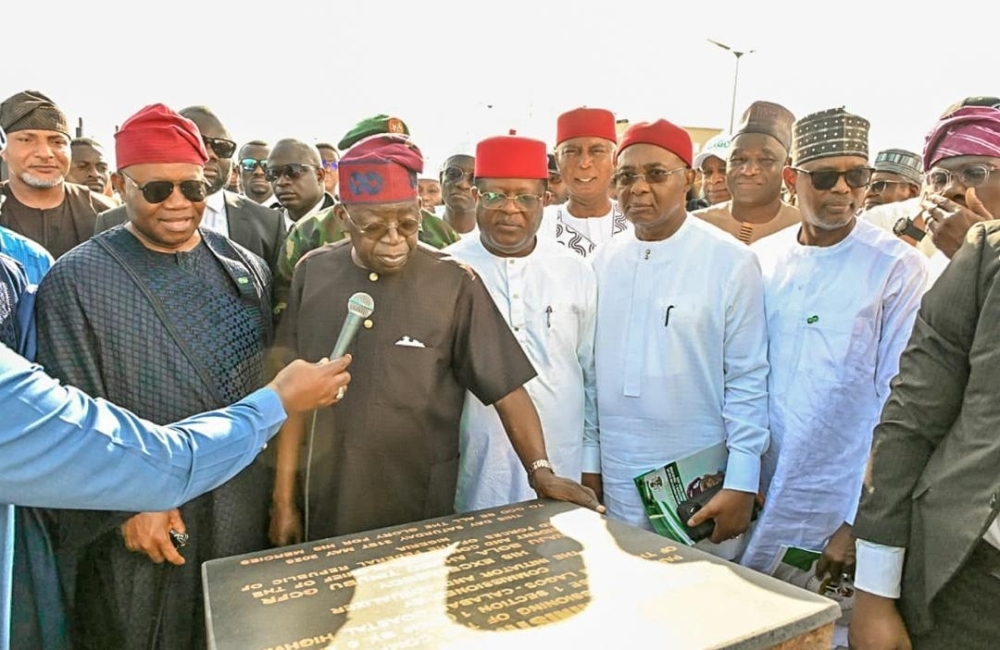
DRIVING NIGERIA’S FUTURE: CELEBRATING TWO YEARS OF TRANSFORMATIVE LEADERSHIP AND THE LAGOS-CALABAR COASTAL HIGHWAY MILESTONE
DRIVING NIGERIA’S FUTURE: CELEBRATING TWO YEARS OF TRANSFORMATIVE LEADERSHIP AND THE LAGOS-CALABAR COASTAL HIGHWAY MILESTONE
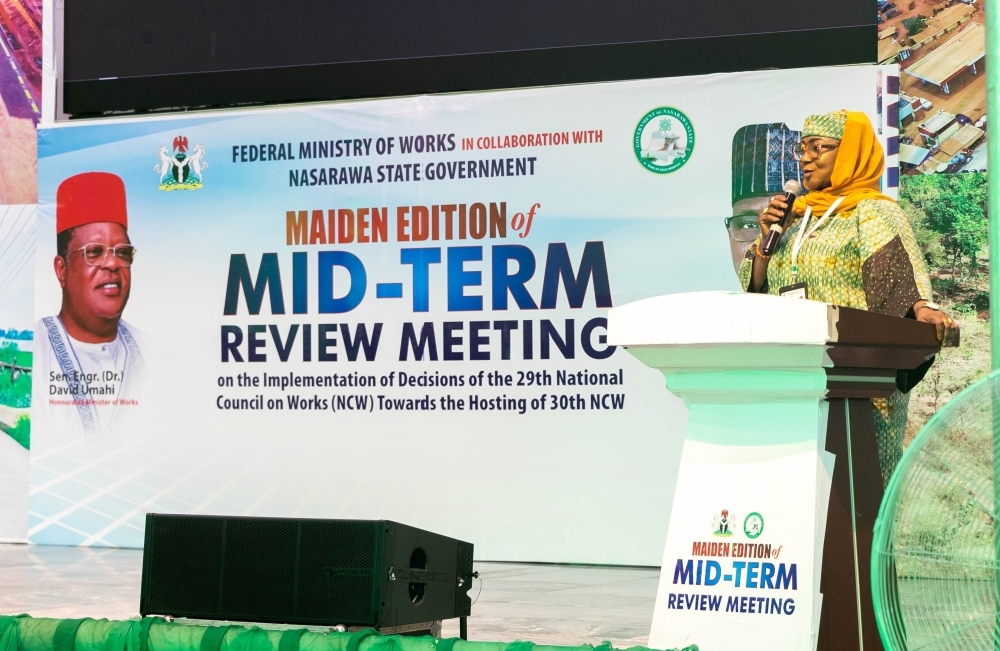
MID -TERM REVIEW MEETING ON THE IMPLIMENTATION OF THE DECISIONS REACHED AT THE 29TH NATIONAL COUNCIL ON WORKS (NCW) DAY 1
MID -TERM REVIEW MEETING ON THE IMPLIMENTATION OF THE DECISIONS REACHED AT THE 29TH NATIONAL COUNCIL ON WORKS (NCW) DAY 1