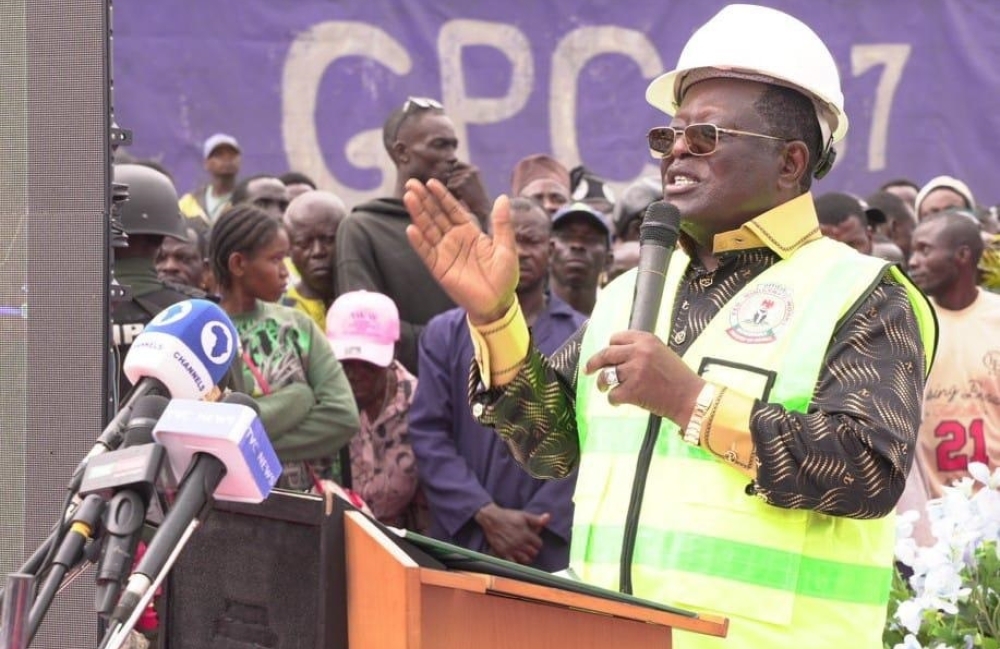
FG EMBARKS ON DECISIVE EMERGENCY INTERVENTION ON BENIN-ASABA EXPRESSWAY
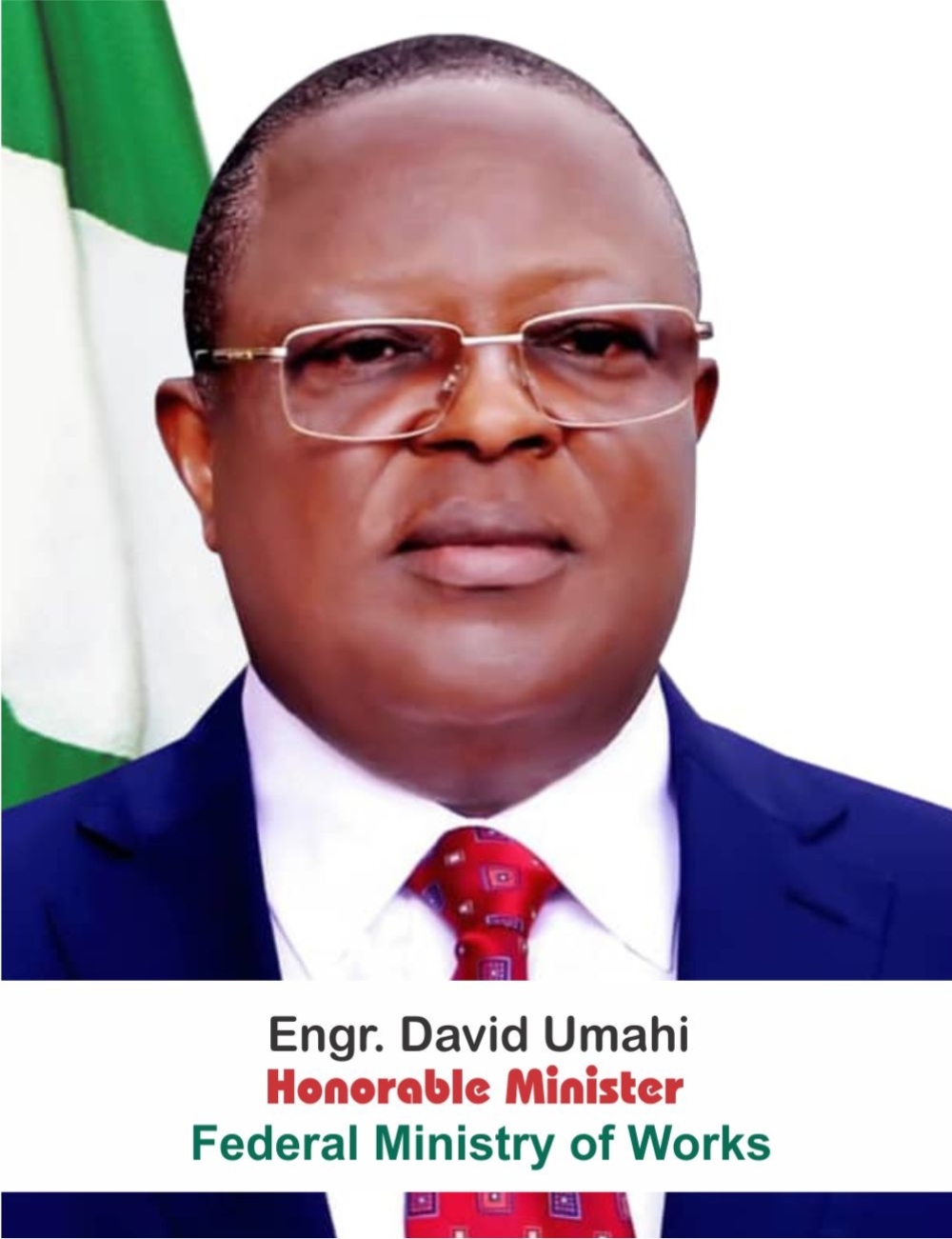
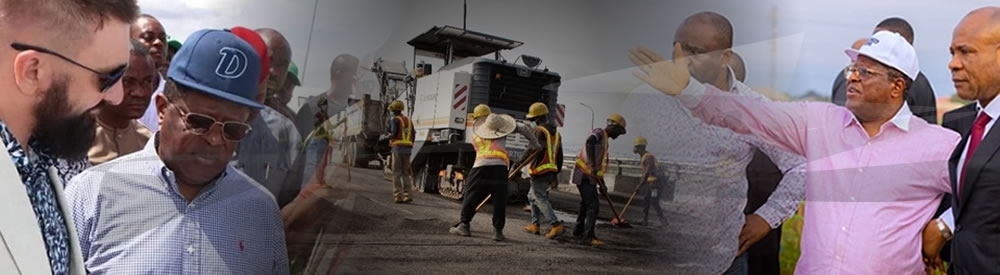
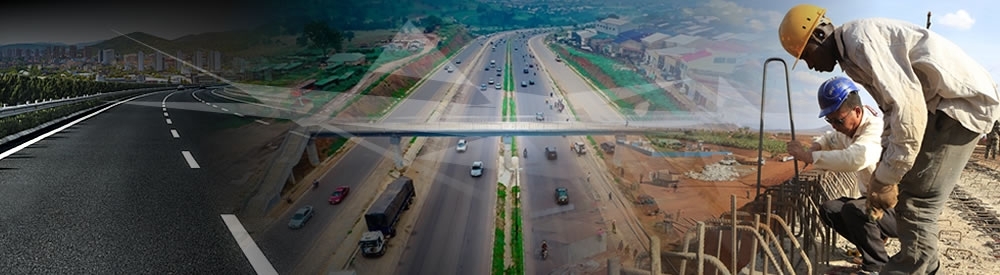
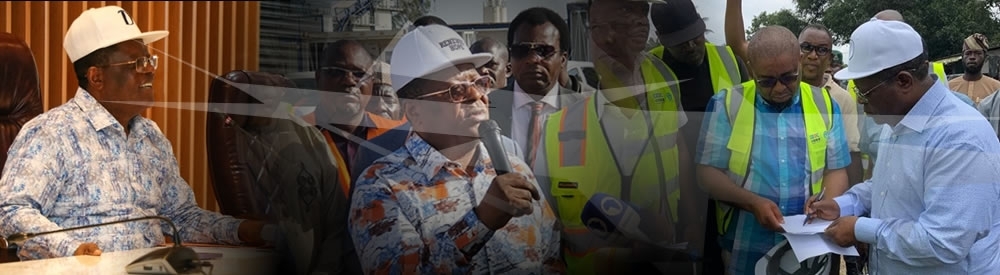
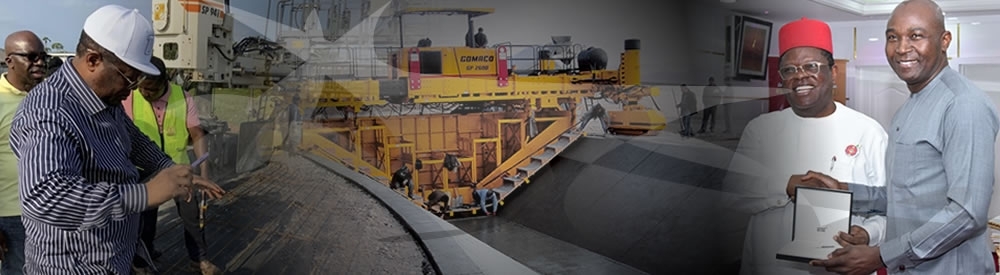
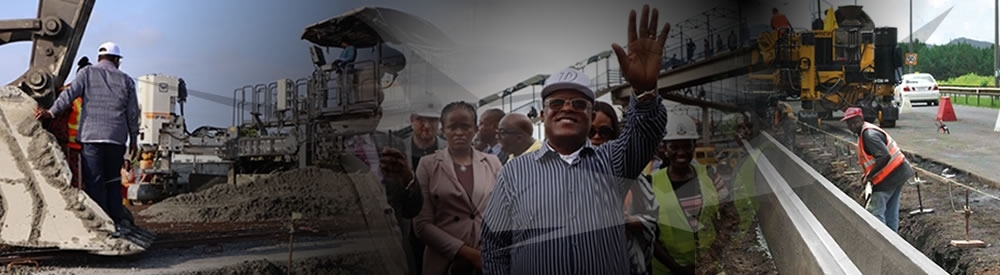
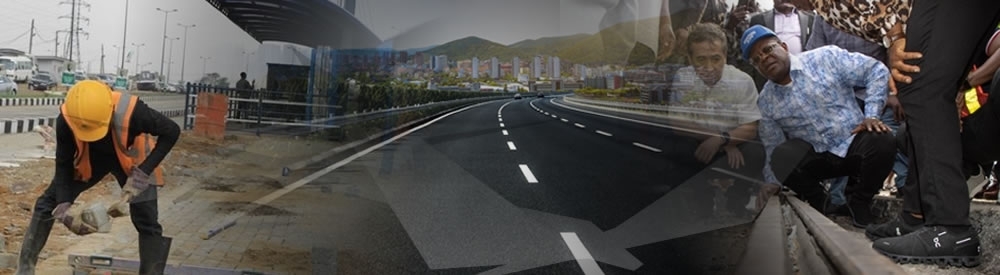
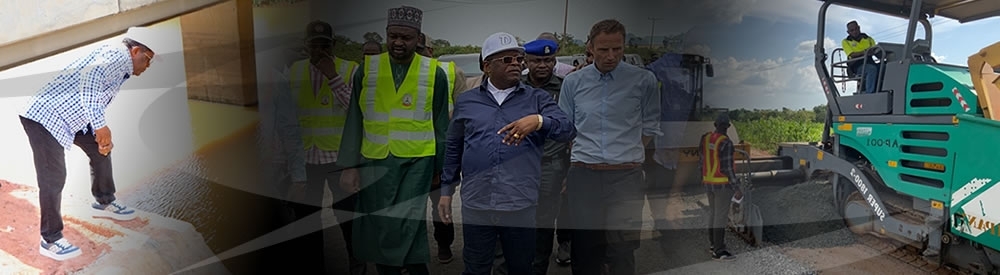
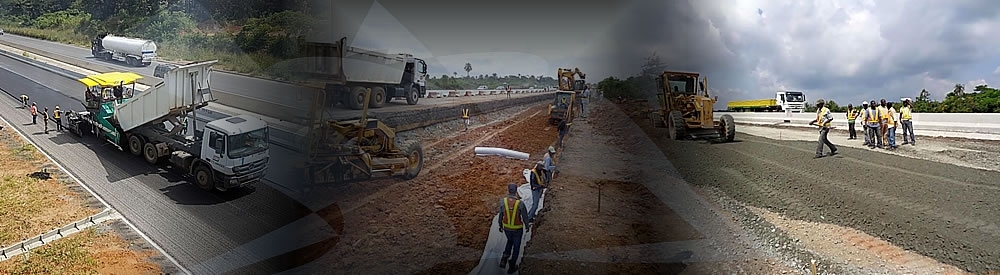
The Honourable Minister of Works, Engr. David Nweze Umahi, CON, FNSE, FNATE, has kick-started the Federal Government’s emergency intervention on the Benin–Asaba Highway under the Ministry’s “Operation Rescue” initiative, aimed at restoring safe, smooth, and uninterrupted movement along the critical corridor. The intervention, to be carried out by the Ministry, through the hiring of equipment and direct implementation, is a demonstration of its determination to address the severe deterioration of sections of the road and bring immediate relief to motorists, commuters, businesses, and the affected communities. He made this known during the inauguration of *"Operation Rescue Benin -Asaba Expressway”* at Benin City, Edo State on Thursday, 24 September, 2026. The Benin–Asaba Highway is a strategic Federal Highway that commences at AIF Roundabout in Benin City, Edo State, and terminates at Summit Junction in Asaba, Delta State, with a distance of 125km. It was concessioned to the Benin-Asaba Expressway Concession Company (BAECC) by the immediate past administration but the handing over of the site was performed by the present one in March, 2025. However, it has since been proven that the Concessionaire lacks the technical and financial capabilities to execute the project. This was established by the *Independent Engineer (I.E.)* for the project, *Messrs Yolas Consultants Limited*.* Considering the plight of road users and the continued deterioration of the concessioned road, the I.E. advised the Ministry to urgently take all necessary steps to save it from further deterioration, avert further gridlock, assuage the suffering of motorists, as well as save the Federal Government from embarrassment.
Engr. Umahi has personally been monitoring the implementation of the concession project, through several site visits and issued instructions via the I.E. for the *Concessionaire* to stick to the Ministry’s standards and methodology, which were not complied with leading to the worsening of the road condition. Hence, the Ministry’s intervention to save the critically failed sections of the Expressway, through the deployment of equipment and personnel.
The Federal Ministry of Works, according to the Minister, is poised to alleviate the hardship being experienced by road users and communities on the corridor, alike. He reiterated that the Federal Government would not allow the condition of a major national artery to continue to undermine economic activities, the movement of people, goods, and services, as well as the safety of road users and the host communities. He stressed that the emergency intervention is focused on achieving immediate traffic relief, while providing a sustainable engineering solution to the identified problem spots.
According to him, the intervention is also being driven by the overriding need to protect public interest and ensure that Nigerians using the road are not left to bear the consequences of the deteriorating infrastructure occasioned by the lapses of the *Concessionaire.* The Minister emphasised that *” this is not a new contract but an immediate solution to the plight of road users.”* He reaffirmed the commitment of President Bola Ahmed Tinubu’s administration to restoring critical road infrastructure across the country and ensuring that emergencies receive prompt and decisive attention.
*“Operation Rescue”* is about immediate action, restoration of movement, and protection of the travelling public and communities along the corridor. *“We are determined to address the failed sections and, thereafter, provide a durable solution that will serve Nigerians for many years,”* the Minister asserted.
Engr. Umahi called on road users and people along the corridor to cooperate with the Ministry’s officials and traffic-management personnel, as emergency works commence, assuring them that the Ministry would continue to monitor progress and take all necessary measures to minimise hardship during the period of the intervention. “*I am pleading with motorists to exercise patience, observe traffic-management directives and drive cautiously around active construction zones,* he stated.
Engr. Umahi highly commended President Tinubu's concern over the well-being of citizens, reiterating that *”the Ministry remains committed to restoring the Benin–Asaba Expressway to a safe, functional and durable condition in the overall interest of Nigerians and the national economy."*
Before this, the Governor of Edo State, His Excellency, Senator Monday Okpebholo had demonstrated his commitment to the welfare of his people during the protest in August, 2026 caused by the bad state of the road by immediately identifying with the situation and dispatching his Chief of Staff to appeal for calm and reassure the affected communities and motorists of immediate remedial action. Speaking at the Ceremony, His Excellency appreciated the President of the Federal Republic of Nigeria for his prompt and decisive intervention, as well as the Minister of Works for his continued commitment to the provision of road infrastructure across the country.
The Governor of Delta State, His Excellency, Sheriff Oborevwori, represented by his Deputy, Charles Anaogu, expressed much gratitude for the immediate response in restoring the all-important road. *”It is a well-desired action to better the lives of the people of Delta State and the general public,* he added.
The *representative of the Managing Director of the Niger Delta Development Commission (NDDC),* applauded the President for his commitment to the development of the Niger Delta region. He also commended the Honourable Minister for his steadfastness to the welfare of the people of the zone and Nigerians, at large.
Delivering the Welcome Address earlier, the Special Adviser to the Edo State Governor on Project Implementation and Monitoring, Engr. Phoebe William Bello, described the rescue operation as very timely in reinstating the critical transportation corridor connecting communities, facilitating mobility, commerce and trade between Edo and Delta States with the other parts of the country. Therefore,*its importance cannot be overstated,”* she noted.
The occasion was graced by lots of dignitaries and Goodwill Messages were delivered by the Deputy Governors of Edo and Delta States, the Rt. Honourable Speaker of the Edo State House of Assembly, the Youth Leader of Ikpaba Hill Community, and other stakeholders, who unanimously eulogised the Federal Government’s proactive response.

FG EMBARKS ON DECISIVE EMERGENCY INTERVENTION ON BENIN-ASABA EXPRESSWAY The Honourable Minister of Works, Engr. David Nweze Umahi, CON, FNSE, FNATE, has kick-started the Federal Government’s emergency intervention on the Benin–Asaba Highway under the Ministry’s “Operation Rescue” initiative, aimed at restoring safe, smooth, and uninterrupted movement along the critical corridor. The intervention, to be carried out by the Ministry, through the hiring of equipment and direct implementation, is a demonstration of its determination to address the severe deterioration of sections of the road and bring immediate relief to motorists, commuters, businesses, and the affected communities. He made this known during the inauguration of *"Operation Rescue Benin -Asaba Expressway”* at Benin City, Edo State on Thursday, 24 September, 2026. The Benin–Asaba Highway is a strategic Federal Highway that commences at AIF Roundabout in Benin City, Edo State, and terminates at Summit Junction in Asaba, Delta State, with a distance of 125km. It was concessioned to the Benin-Asaba Expressway Concession Company (BAECC) by the immediate past administration but the handing over of the site was performed by the present one in March, 2025. However, it has since been proven that the Concessionaire lacks the technical and financial capabilities to execute the project. This was established by the *Independent Engineer (I.E.)* for the project, *Messrs Yolas Consultants Limited*.* Considering the plight of road users and the continued deterioration of the concessioned road, the I.E. advised the Ministry to urgently take all necessary steps to save it from further deterioration, avert further gridlock, assuage the suffering of motorists, as well as save the Federal Government from embarrassment. Engr. Umahi has personally been monitoring the implementation of the concession project, through several site visits and issued instructions via the I.E. for the *Concessionaire* to stick to the Ministry’s standards and methodology, which were not complied with leading to the worsening of the road condition. Hence, the Ministry’s intervention to save the critically failed sections of the Expressway, through the deployment of equipment and personnel. The Federal Ministry of Works, according to the Minister, is poised to alleviate the hardship being experienced by road users and communities on the corridor, alike. He reiterated that the Federal Government would not allow the condition of a major national artery to continue to undermine economic activities, the movement of people, goods, and services, as well as the safety of road users and the host communities. He stressed that the emergency intervention is focused on achieving immediate traffic relief, while providing a sustainable engineering solution to the identified problem spots. According to him, the intervention is also being driven by the overriding need to protect public interest and ensure that Nigerians using the road are not left to bear the consequences of the deteriorating infrastructure occasioned by the lapses of the *Concessionaire.* The Minister emphasised that *” this is not a new contract but an immediate solution to the plight of road users.”* He reaffirmed the commitment of President Bola Ahmed Tinubu’s administration to restoring critical road infrastructure across the country and ensuring that emergencies receive prompt and decisive attention. *“Operation Rescue”* is about immediate action, restoration of movement, and protection of the travelling public and communities along the corridor. *“We are determined to address the failed sections and, thereafter, provide a durable solution that will serve Nigerians for many years,”* the Minister asserted. Engr. Umahi called on road users and people along the corridor to cooperate with the Ministry’s officials and traffic-management personnel, as emergency works commence, assuring them that the Ministry would continue to monitor progress and take all necessary measures to minimise hardship during the period of the intervention. “*I am pleading with motorists to exercise patience, observe traffic-management directives and drive cautiously around active construction zones,* he stated. Engr. Umahi highly commended President Tinubu's concern over the well-being of citizens, reiterating that *”the Ministry remains committed to restoring the Benin–Asaba Expressway to a safe, functional and durable condition in the overall interest of Nigerians and the national economy."* Before this, the Governor of Edo State, His Excellency, Senator Monday Okpebholo had demonstrated his commitment to the welfare of his people during the protest in August, 2026 caused by the bad state of the road by immediately identifying with the situation and dispatching his Chief of Staff to appeal for calm and reassure the affected communities and motorists of immediate remedial action. Speaking at the Ceremony, His Excellency appreciated the President of the Federal Republic of Nigeria for his prompt and decisive intervention, as well as the Minister of Works for his continued commitment to the provision of road infrastructure across the country. The Governor of Delta State, His Excellency, Sheriff Oborevwori, represented by his Deputy, Charles Anaogu, expressed much gratitude for the immediate response in restoring the all-important road. *”It is a well-desired action to better the lives of the people of Delta State and the general public,* he added. The *representative of the Managing Director of the Niger Delta Development Commission (NDDC),* applauded the President for his commitment to the development of the Niger Delta region. He also commended the Honourable Minister for his steadfastness to the welfare of the people of the zone and Nigerians, at large. Delivering the Welcome Address earlier, the Special Adviser to the Edo State Governor on Project Implementation and Monitoring, Engr. Phoebe William Bello, described the rescue operation as very timely in reinstating the critical transportation corridor connecting communities, facilitating mobility, commerce and trade between Edo and Delta States with the other parts of the country. Therefore,*its importance cannot be overstated,”* she noted. The occasion was graced by lots of dignitaries and Goodwill Messages were delivered by the Deputy Governors of Edo and Delta States, the Rt. Honourable Speaker of the Edo State House of Assembly, the Youth Leader of Ikpaba Hill Community, and other stakeholders, who unanimously eulogised the Federal Government’s proactive response.
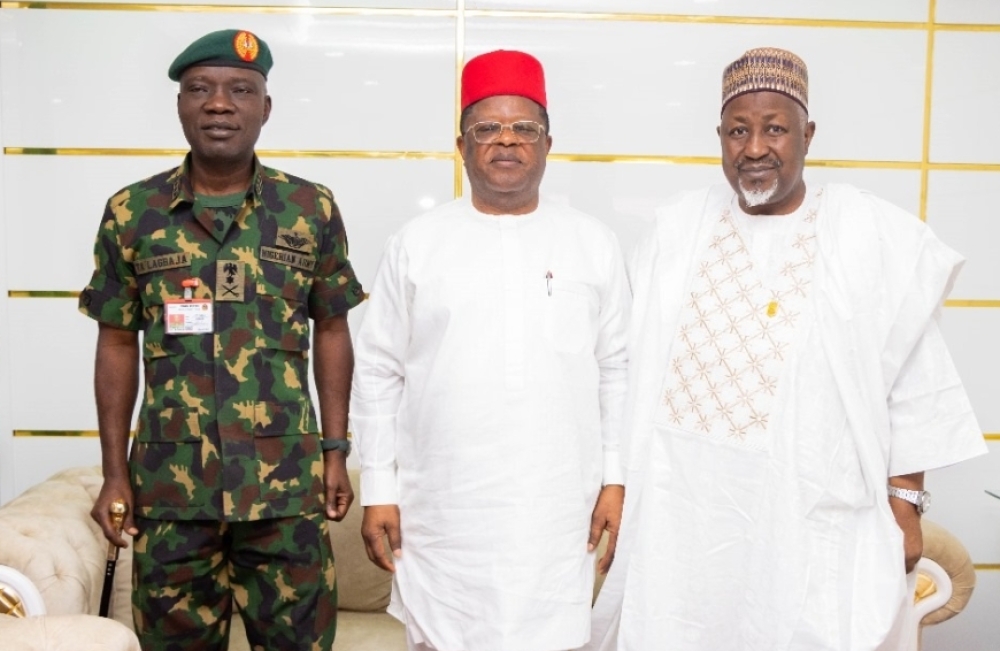
Hon. Ministers of Works, Defence, and Chief of Army Staff meet on areas of Collaboration to Improve Internal Security, Focus on Road Infrastructure as an Important Predictor ...ACTIVITIES OF CONTRACTORS TO FOCUS IN THIS DIRECTION As part of the strategic and holistic security roadmap of the Federal Government under His Excellency, President Asiwaju Bola Ahmed Tinubu GCFR, the Hon. Minister of Works, His Excellency Sen. Engr Nweze David Umahi, CON had a closed door meeting with his counterpart, the Hon. Minister of Defence, His Excellency, Mohammed Badaru Abubarkar,CON, and the Chief of Army Staff (COAS) Lieutenant General Taoreed Lagbaja in his office at the Federal Ministry of Works, this 19th January 2024, and the focus was on strengthening collaborations towards improving the nation’s internal security through revolutionalizing road infrastructure development. The Hon. Minister of Works praised the interactive meeting as a Renewed Hope initiative that would add value to the implementation of the security roadmap of the present administration. He commended the President of the Federal Republic of Nigeria for appointing men of proven professional capacities and passion for service delivery to tackle the security challenges facing our country, and expressed hope that with the interventions of Mr. President towards rejiging the nation’s road infrastructure, military operations across the nation would assume greater imptetus. "I commend Mr. President very highly, and I thank members of the public who have also supported in different dimensions. Yes, we have discussed certain infrastructure as it concerns my ministry to enhance their performances, and our minds are working together. The main focus of Mr. President, when it comes to road infrastructure, is the interstate routes that are linked to security operations nationwide, the palliative jobs, and the roads that are linked to markets, industries, and factories etc. And so, this is one of the mandates that Mr. President has given to us. And so, we are going to hasten this mandate and to ensure that the desire of Mr. President, as far as road infrastructure is concerned, is achieved" "Road is everything. If you improve the roads, you have improved security, agriculture, education, and commerce, and you have improved the happiness of people. And this is just what Mr. President is doing. We have started to be in the field to repair over 320 roads that Mr. President directed us to do." Speaking on behalf of the visiting team, the Chief of Army Staff said that the essence of the meeting was to discuss with the Hon. Minister of Works elements of national power support to the military field operations with a focus on the role of infrastructural upgrade in the enhancement of military operations across the country. "We have discussed extensively, and we are glad that the Hon. Minister of Works is disposed to some of the suggestions that we have made on the need to focus on some critical roads that will impact positively on military operations across the country. And so, the Minister of Works has made some promises, and we look forward to seeing activities of contractors and other agents focus in this direction in the field, and the military will support them going forward. Overall, improved security is our objective, and we will continue to pursue that." ...
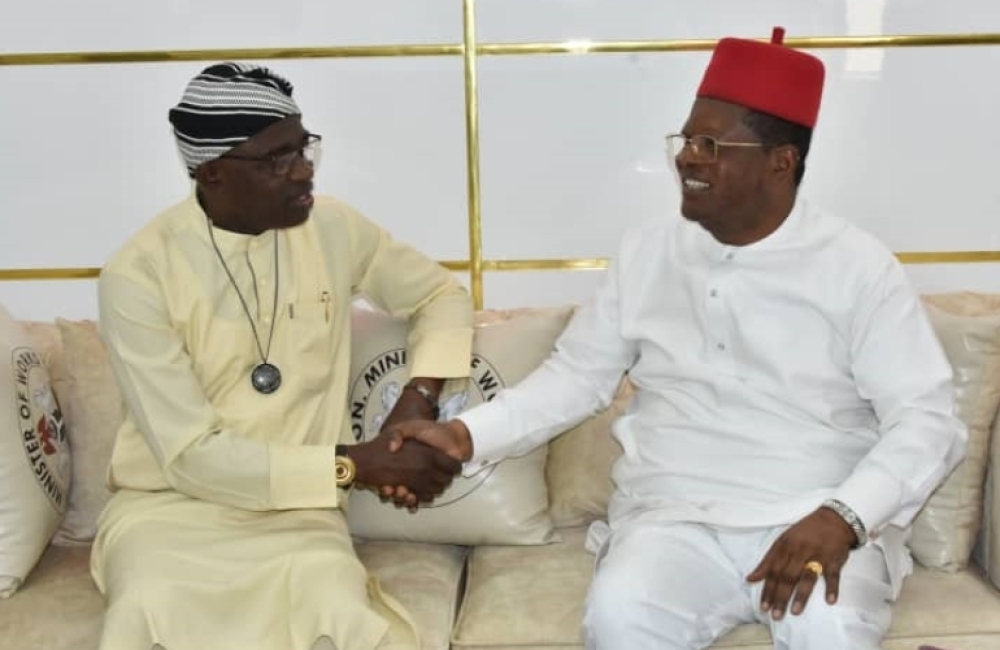
ROAD INFRASTRUCTURE REVOLUTION UNDER THE RENEWED HOPE ADMINISTRATION OF PRESIDENT ASIWAJU BOLA AHMED TINUBU GCFR, WIN -WIN SITUATION FOR ALL STATES - As Benue State Governor visits the Hon. Minister of Works Photo speaks The Renewed Hope administration of the President of Nigeria, His Excellency Sen. Asiwaju Bola Ahmed Tinubu GCFR has proven to be a grandmaster of inclusive and impactful governance that embraces the desires of the federating States. The federal government under Mr. President carries along all the States in her road infrastructure development plans. Just recently, the President of Nigeria released funds for the commencement of nationwide palliative interventions on our road infrastructure in addition to the budgetary and extra budgetary funds provided for the execution of the 2024 road projects. The 36 State Governors have been working progressively with the APC led federal government, notwithstanding party affiliations or ideological inclinations, to ensure that roads of socio-economic priority in their States are captured in the infrastructure roadmap of the Federal Ministry of Works. Today, 16th January 2024, the Governor of Benue State, His Excellency, Fr. Hyacinth Alia visited the Honourable Minister of Works, His Excellency Sen. Engr. Nweze David Umahi CON in his office. The meeting was obviously not unconnected with the desire of the Governor of Benue State to change the infrastructural landscape of Benue State through tapping into Mr. President’s Renewed Hope infrastructure initiatives across the nation. His Excellency Hyacinth Alia is the second Catholic Priest to be elected as Governor in the history of Nigeria. He emerged victorious in the Benue State Gubernatorial election held on March 18 , 2023, and on Monday, the 8th day of January 2024, the Supreme Court upheld his election and dismissed the appeal of Mr. Titus Uba of the People's Democratic Party (PDP), who was his rival on the 18th March, 2023 poll. He is proudly a member of All Progressives Congress,APC. ...
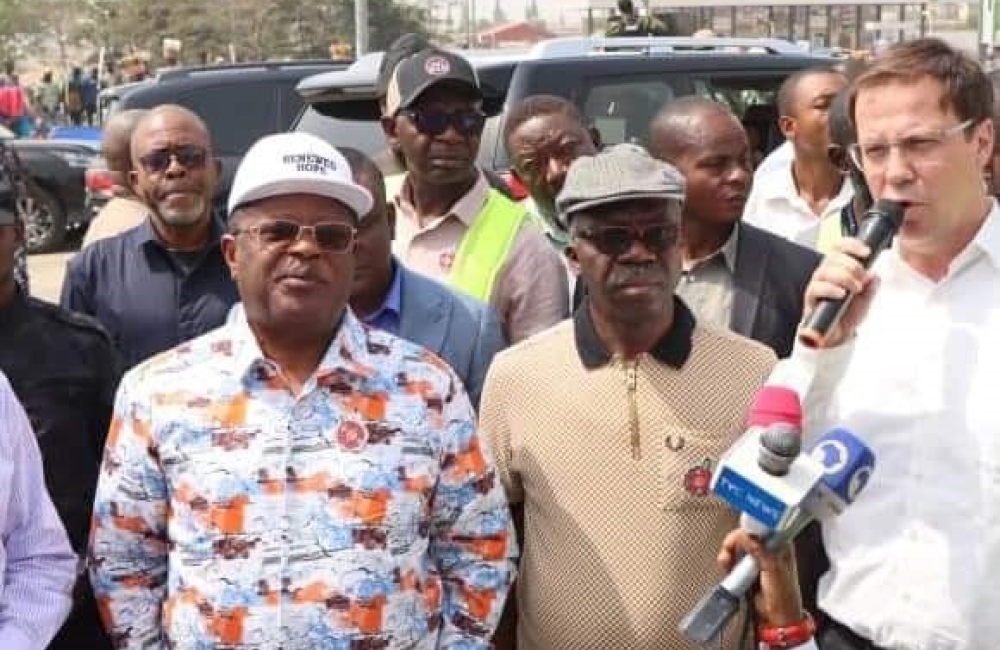
Minister Of Works and His Finance Counterpart Jointly Inspect Abuja- Kaduna- Zaria- Kano Highway, Brainstorm with Julius Berger Nigeria Plc on Strategies and Milestones for Delivery of The Project Within a Record Time In keeping with the Presidential innovations on inter-ministerial coordination, cooperation, and collaboration in the tackling of sectoral problems under the Renewed Hope administration of His Excellency, Sen. Asiwaju Bola Ahmed Tinubu GCFR, the Hon. Minister of Works, His Excellency Sen.Engr. Nweze David Umahi CON and his counterpart, the Hon. Minister of Finance & Coordinating Minister of the Economy, Chief Adebayo Olawale Edun, were on inspection visit to Abuja – Kaduna -Zaria-Kano Highway on 12th January 2024. The dual carriageway which has been a source of concern to road users because of the many dilapidated spots and security challenges, was awarded to Julius Berger Plc but could not be completed because of security and funding challenges. But the administration of Mr. President views the road as very critical for the socio-economic advancement of the nation and is therefore committed to completing the project on a record time. While brainstorming on strategies and milestones for fixing the road, the Hon. Minister of Works assured the contractors that funding would not be a problem going forward. "We have got a commitment from the Honourable Minister of Finance to make payment, and I am very sure if we pay Julius Berger Plc according to the commitment on funding, it will complete the job “ The Minister also said “we have issues of reviewing the contract sum, and we will sort that out. We sent our technical team to reexamine the sub grade, which will be the basis of our redesign, let me emphasis that this is the first project we are touring in this place, and Mr President in his Renewed Hope Agenda has expressed his deep concern on the completion of the project and he has directed that everything must be done to get the entire project completed” On his part, the Hon. Minister of Finance assured of the unwavering commitment of the Federal Government in the timely funding of the project in line with the agreed milestones. “Under the mandate of President Bola Ahmed Tinubu, we are both here on inspection to hear the commitment of the contractor handling the project and to support them, to as soon as possible complete this all-important reconstruction of the Abuja- Kaduna - Zaria - Kano Road.” The finance minister described the works sector as one of the most strategic sectors that will add value to the economic development agenda of Mr. President and would always be given priority attention. "We want to urge the contractor to do more.Infrastructure is a critical priority of the administration of President Bola Ahmed Tinubu. That is how we can get food prices down. Through transportation and easy transportation of agricultural products, we want to move freely across the country. To bring down the prices and inflation,we will be doing more on the funding. " On the inspection team includes directors from both Ministry of Works and Finance, Managing Director Julius Berger Nigeria Plc, Engr Dr Lars Richter who conducted the two ministers round the projects and several other stakeholders. ...
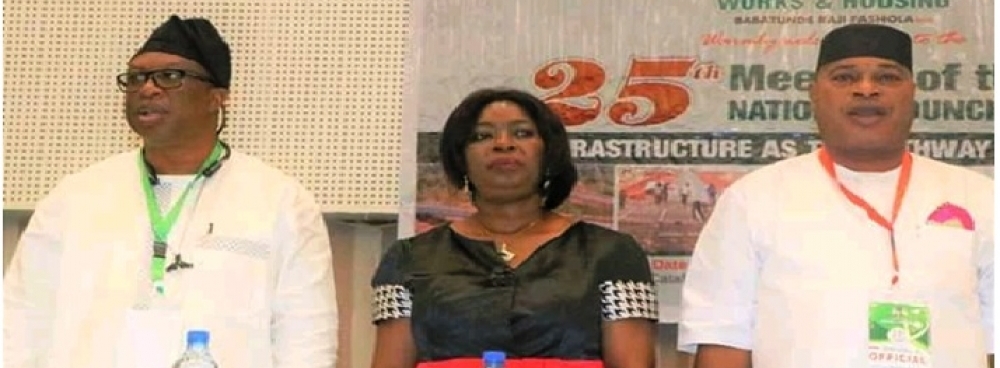
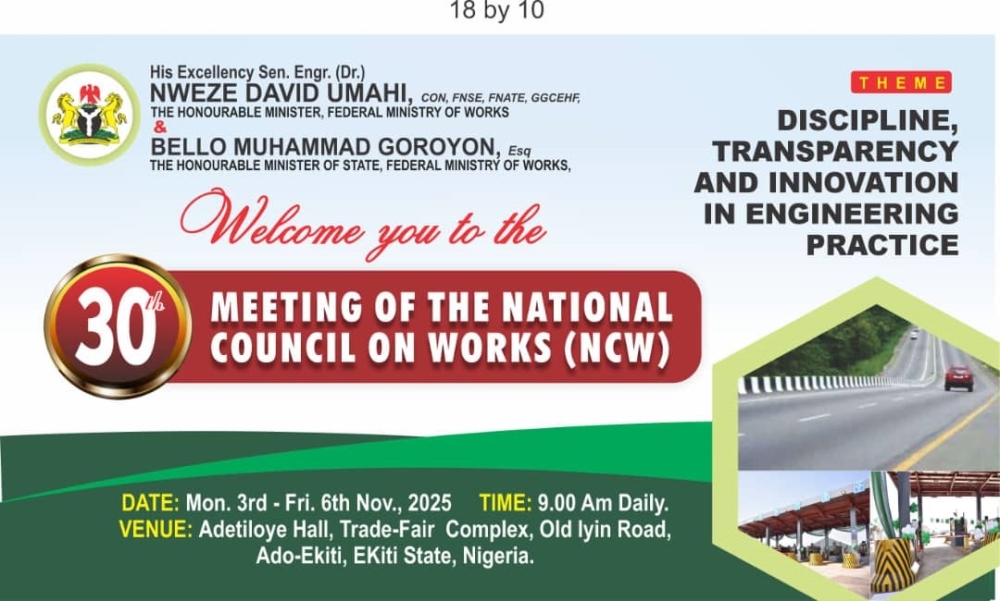
25th Meeting Of The National Council On Works Commences In Calabar
The activities heralding the commencement of the National Council on Works and Housing had kick-started in Calabar, the Cross River State Capital with the arrival and Registration of the Stakeholders.The theme of the meeting is Infrastructure as the Pathway for Prosperity.
While welcoming officials and Delegates to the Council, the Director of Planning, Research and Statistics, Federal Ministry of Works and Housing, Dr Famous Esewudo stated that the meeting of the National Council of Works is an annual event and the highest policy formulating organ of the Works Sector where stakeholders deliberate on issues concerning the sector.
He expressed profound gratitude to the Executive Governor of Cross River State, His Excellency, Prof. Ben. Ayade for creating a conclusive environment for the commencement of the Council. He also expressed immense gratitude to the Minister of Works and Housing, Mr Babatunde Raji Fashola SAN, the Minister of State for Works and Housing, Engr. Abubakar Aliyu, the Permanent Secretary, Mohammed Bukar, the Directors and the entire staff of the Ministry for organising the meeting.
Eseduwo urged all Stakeholders in the Works sector to present and own up to the process and show the right attitude and commitment towards a successful council.
Speaking earlier and declearing the technical session of the Council open, Permanent Secretary,Cross River State Ministry of Works, Dr (Mrs) Ihort Achu revealed that Cross River State Government and indeed, the entire “Cross Riverians” have beenlooking forward for an opportunity to be part and parcel of meeting where policies and hypothesis on how to discuss the dilapidated roads in Cross River and Nigeria in general would be addressed.
Dr. Achu enjoined officials and delegates to the Council to take advantage of the serene atmosphere of Calabar, the hospitality of her people and enjoy themselves

Mr Babatunde Raji Fashola, SAN At The 6th National Council On Land, Housing And Urban Development
I welcome you all very warmly to this 6th meeting of the National Council on Lands, Housing and Urban Development.
I am enthused to speak to you because of the progress we have made from our last meeting in 2016 in Ilorin, Kwara State.
My enthusiasm derives from simple but very profoundly impactful things that we committed to do last year in Kwara and which we have done.
The first is that we resolved to facilitate the use of Exchange of letters for the Transfer of title to land when states are transferring land to the Federal Government.
I am happy to report that there has been very inspiring compliance based on the several letters of exchange that I have received and which I have duly signed.
All I need say about this in terms of compliance is that if there is still any state yet to comply they should please do so very quickly.
This is an important matter to report to the public. It shows that we do not gather at this Council just to talk. It shows that we have the capacity to act. It shows that change is possible when people commit themselves and that Governments in Nigeria can get things done.
The other matter that enthuses me, is the progress report on our National Housing Programme about which I briefed this Council last year.
At the time of the Council meeting in August 2016, I reported that we were finalizing designs to accommodate our cultural, climactic and other diversities and that when the designs were completed we would commence construction to pilot the designs and test them for affordability and acceptability.
I am pleased to report that construction has started in 33 states where land has been made available.
This is fulfilment of another commitment made at last year’s council by at least 90%.
This must give a lot of hope to our people that this Government will do what it says, and I want to thank all the states who gave us land, the staff of the Ministry who have worked hard to drive the programme, and the Honourable Minister of State, Mustapha Baba Shehuri who has been visiting and inspecting project sites.
I have myself made whistle stop visits to our sites in Taraba, Gombe, Ekiti, Oyo, and what I saw demonstrates to me very clearly how impactful the National Housing Programme has been, even at the pilot and inception stage.
The bricklayers I met in Taraba, Gombe and Ekiti, Rilwanu Adamu and Abubakar Umar, who asked me to thank President Buhari, for putting them back to work, the owners of the cement mixer in Oyo who said that his equipment has been idle for 2 years but was now earning N20,000 daily on our site in Oyo.
And of course, Mr and Mrs Emmanuel, a builder and caterer respectively who live in Lagos, but who now find dignity, labour and employment at our Oyo site, by participating in building and food supply.
And this brings me to the theme of this year’s Council meeting which is “Building for Inclusion, Growth and Prosperity”.
Yes, it is true that we have a National Housing deficit, and while some choose to engage themselves by discussing about the size of the deficit, we choose to engage ourselves by doing something about the deficit.
This is because, every building we start and ultimately complete is a blow to the size of the deficit which no amount of talk can inflict.
We understand that every nation has a housing deficit and the bigger the size of the population, the size of the growth rate and the size of the urbanization rate, the bigger the size of the deficit.
But while we commit to the National policy of delivering affordable housing, we must look at short, medium and intermediate streams of opportunities for employment, productivity, skill development, restoration of dignity of our people which lie within the housing delivery value chain.
This is consistent with one of the Pillars of the Economic Theory and Growth Launched by President Buhari, which is “investing in our people.”
Apart from the artisans that I have spoken about, it might interest you to also know that 653 contractors were engaged in the pilot scheme to deliver 2,736 units. A total of 54,680 people were employed in the process.
The opportunities for inclusion will include masonry, electrical, plumbing, welding, supplies of materials, transportation and many more.
Our desire is to multiply these opportunities this year and beyond.
One of the directives that I have given to our staff is to review the procurement requirements and guidelines in consultation with our legal department, to ensure that we open the opportunities for participation.
Yes, I understand the need to get value for money and the processes that have been put in place by previous administrations to guide procurement.
The question we must ask ourselves then is whether we have truly saved money and whether we have developed?
On the evidence that is available, the country has clearly made more money from oil sales in the last decade that cannot be accounted for by way of project delivery and infrastructure development.
But if this was not enough problem, the procurement requirements then limits the amount of advance payment Government can pay to 15% and sets conditions that overlook the level of literacy of the vast majority of our people and the nature of small businesses that they run.
My experience in the last 20 months is that small businesses have difficulty complying with our procurement process and this requires not only policy reviews as I have ordered, but also legislative intervention by parliament.
This is one of the actions we must take to fulfil the objectives of the theme of this Council so that we can build for inclusion, for growth and for prosperity.
While our National Housing Programme, is the first of its type on a National scale in many decades that seeks to respond to the deficit, government agencies such as the Federal Mortgage Bank, Federal Housing Authority are being repositioned to play their role more effectively to address the Housing problem.
For example, the Federal Housing Authority has been mandated by the ministry to reposition herself to be one of our champions of housing delivery based on her previous track record.
Similarly, the Federal Mortgage Bank continues to deepen participation in the National Housing Fund which forms a reliable pool of funding from which she lends money to contributors by way of mortgage loans to acquire houses.
In addition, the bank has granted loans to estate developers to build houses; and from their recent report to me, they currently have 3,823 housing units available for sale in various states of the Federation.
The ministry has directed that these units, their prices, description, location and eligibility criteria be widely publicized in transparent offers to Interested members of the public.
The next level of intervention which the ministry is developing is the use of co-operatives.
This is very important to the theme and purpose of this year's Council meeting which centers around inclusion.
Our experience has shown that very sizable parts of our population who are productive and self-employed have been excluded from formal processes that regulate access to Funding, land or housing.
However, these large number of people operate successfully by themselves, in groups which they form as co-operatives to protect their common interests and pursue their developmental objectives.
Co-operatives have been very prolific and successful in sectors like agriculture and market organizations where the vulnerability of an individual is transformed into the strength of a group.
Our Government sees no reason why the successes of co-operatives in these sectors cannot be utilized to facilitate housing delivery, access and inclusion.
We are determined to place the might of government at the disposal of groups who can form themselves into co-operatives, as enabling capacity to acquire the land, take loans, build for themselves and operate a rent to own policy for those who cannot pay full ownership cost at start.
When our work on the review of the existing laws, and the processes for eligibility are completed, we will undertake a national launch and enlightenment program to kick the active use of co-operatives in housing delivery.
I have chosen to speak about this plan at this meeting because the success of this initiative will depend on what is done at state level; and many, if not all, states are represented here.
Your readiness and willingness to give land to well constituted cooperatives will be a critical determinant to success and inclusion.
So, this serves as notice for you to start thinking ahead about what your respective states can offer to the initiative.
Before I conclude, I will like to go back to the issue of the deficit in housing and set the context, not only how it has grown with our size but also why some seem so terrified of approaching it.
When we started this national housing program, my attention was brought to the fact that there had been no national housing program since the end of the second republic in 1983, which is about 34 years ago.
I must of course not be mistaken for saying that there were no housing interventions. There were. But they were neither sustained nor were they implemented on a national scale.
This omission is a big contributing factor to the size of the deficit and the exclusion of people.
Of course, there has always been a National Housing Policy, which seeks to deliver affordable housing, but as I said there is no program to implement and actualize the policy.
This government has now formulated that national program by concept, design and now pilot stage implementation which in the early stages has already created opportunities for 653 contractors, and created 13,680 direct jobs and 41,000 indirect jobs.
What we must do therefore is to repeat this program year on year, not only at federal level but also at state level.
Ladies and gentlemen, if we do this and also successfully implement the housing cooperatives, leverage private sector capacity, strengthen FHA and FMBN to play their roles, we will be creating a housing economy that will irreversibly and positively transform our nation forever.
Not only will we be addressing one of the problems of urbanization, we will unleash the capacity to build for inclusion, for growth and prosperity.
In this way, the size of the deficit of housing will become an economic opportunity to immense proportions rather than a social burden to be scared of.
Thank you very much for your attention.
Babatunde Raji Fashola, SAN
Honourable Minister of Power, Works and Housing
Thursday 24th August 2017
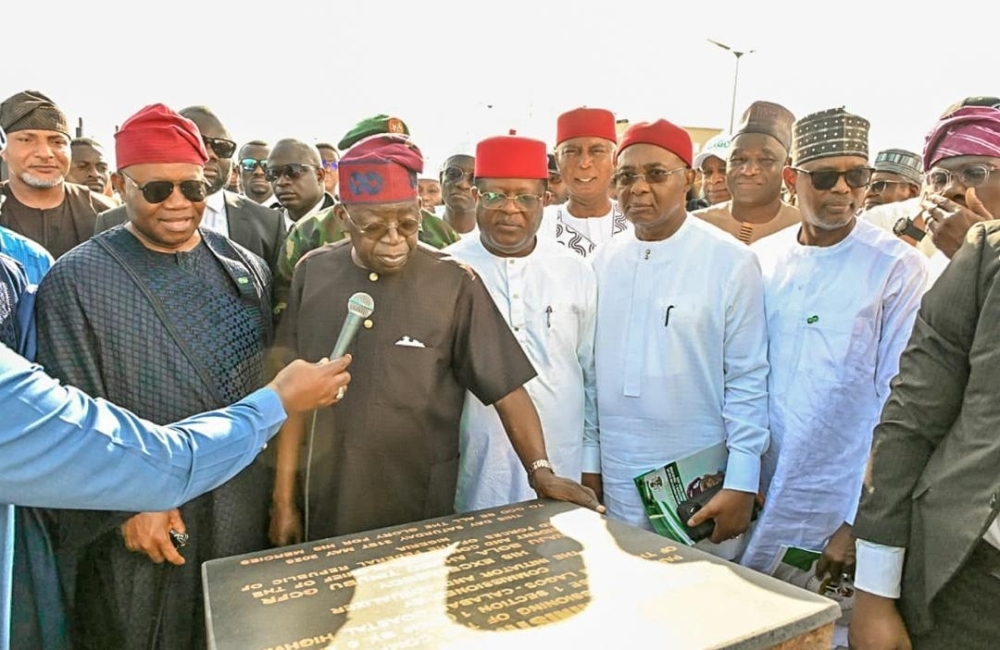
DRIVING NIGERIA’S FUTURE: CELEBRATING TWO YEARS OF TRANSFORMATIVE LEADERSHIP AND THE LAGOS-CALABAR COASTAL HIGHWAY MILESTONE
DRIVING NIGERIA’S FUTURE: CELEBRATING TWO YEARS OF TRANSFORMATIVE LEADERSHIP AND THE LAGOS-CALABAR COASTAL HIGHWAY MILESTONE
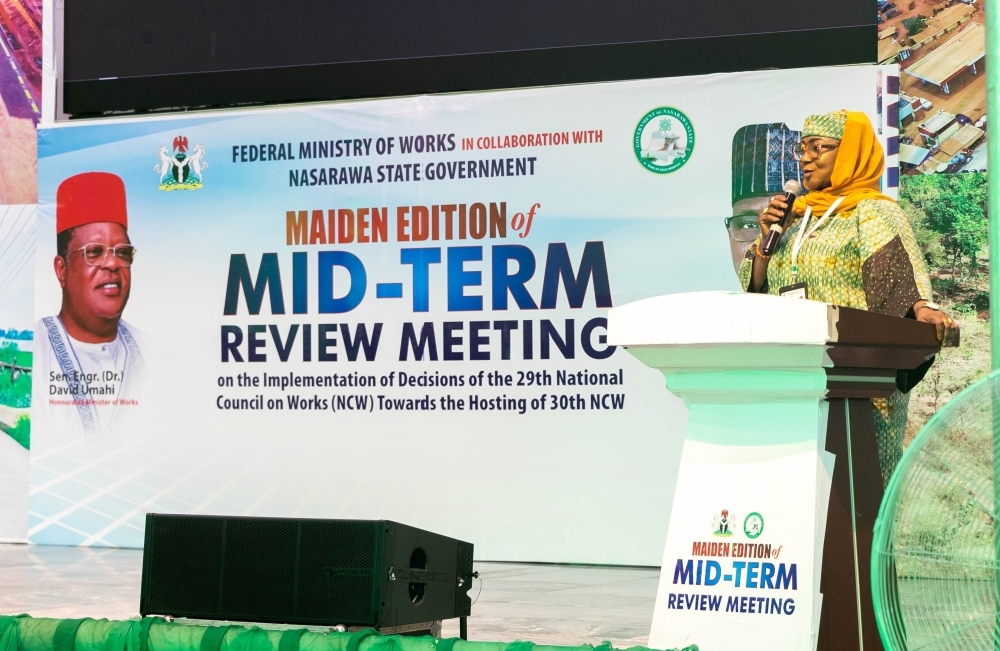
MID -TERM REVIEW MEETING ON THE IMPLIMENTATION OF THE DECISIONS REACHED AT THE 29TH NATIONAL COUNCIL ON WORKS (NCW) DAY 1
MID -TERM REVIEW MEETING ON THE IMPLIMENTATION OF THE DECISIONS REACHED AT THE 29TH NATIONAL COUNCIL ON WORKS (NCW) DAY 1